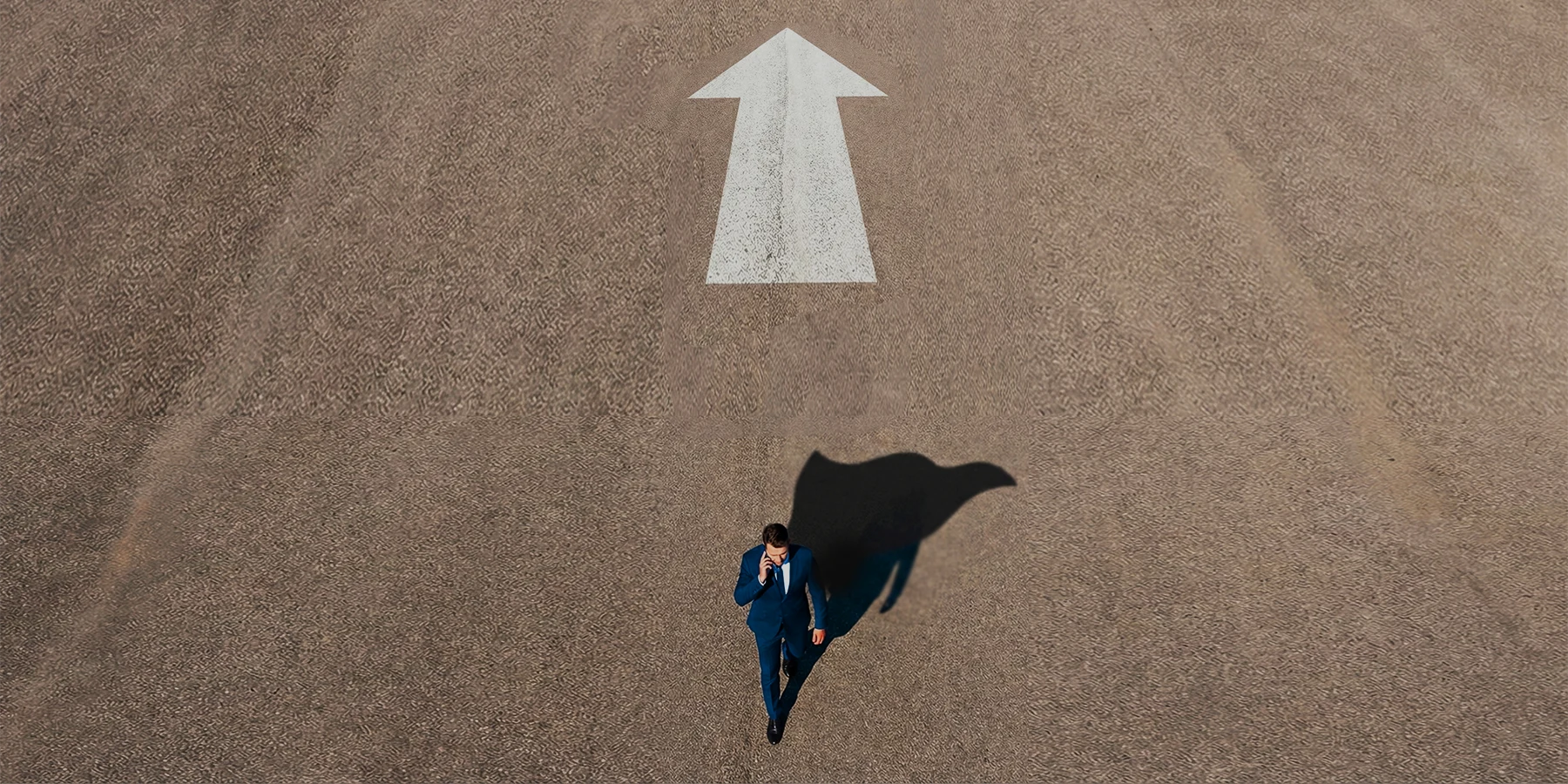









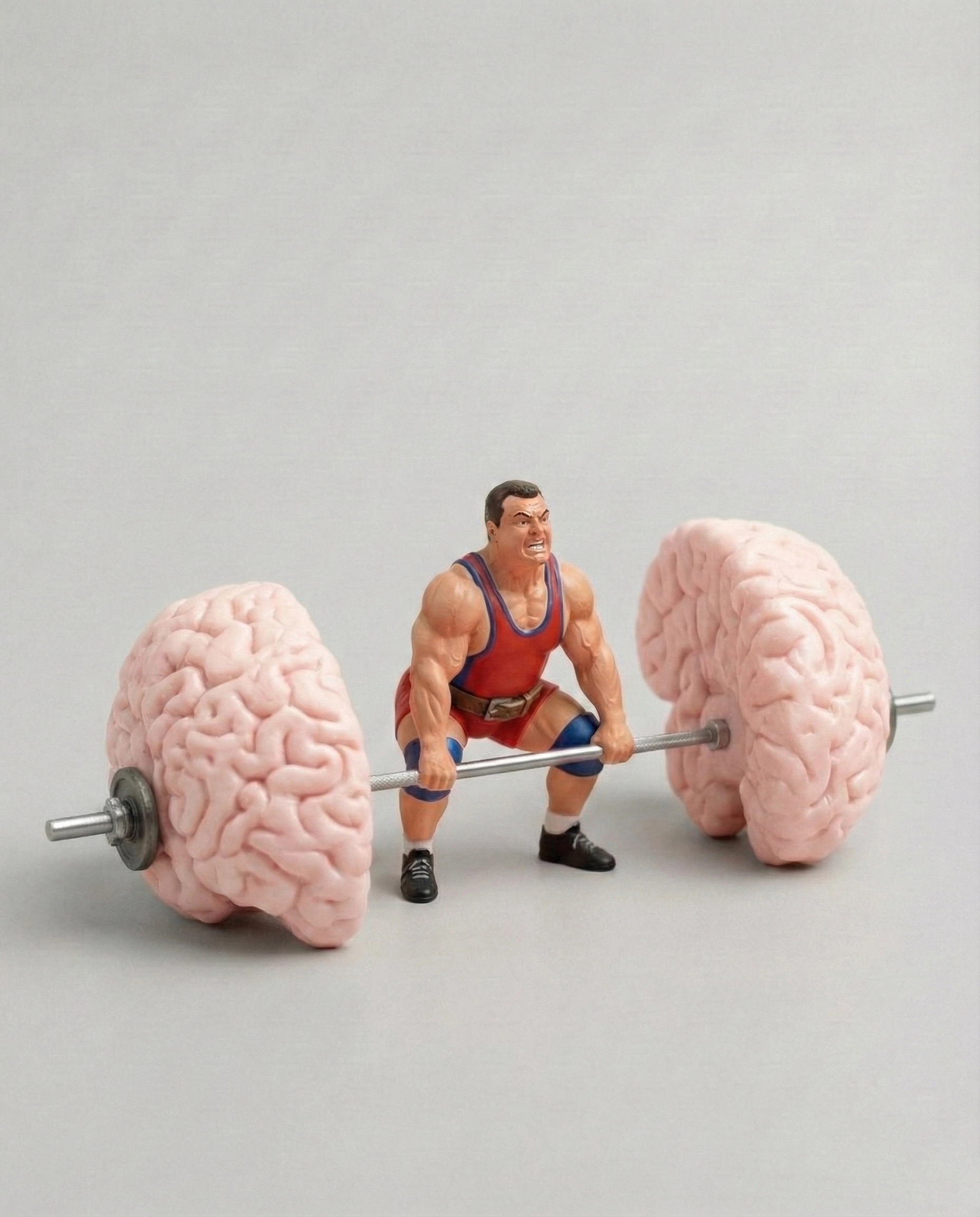
Courage is a practiced, conscious step out of your comfort zone.
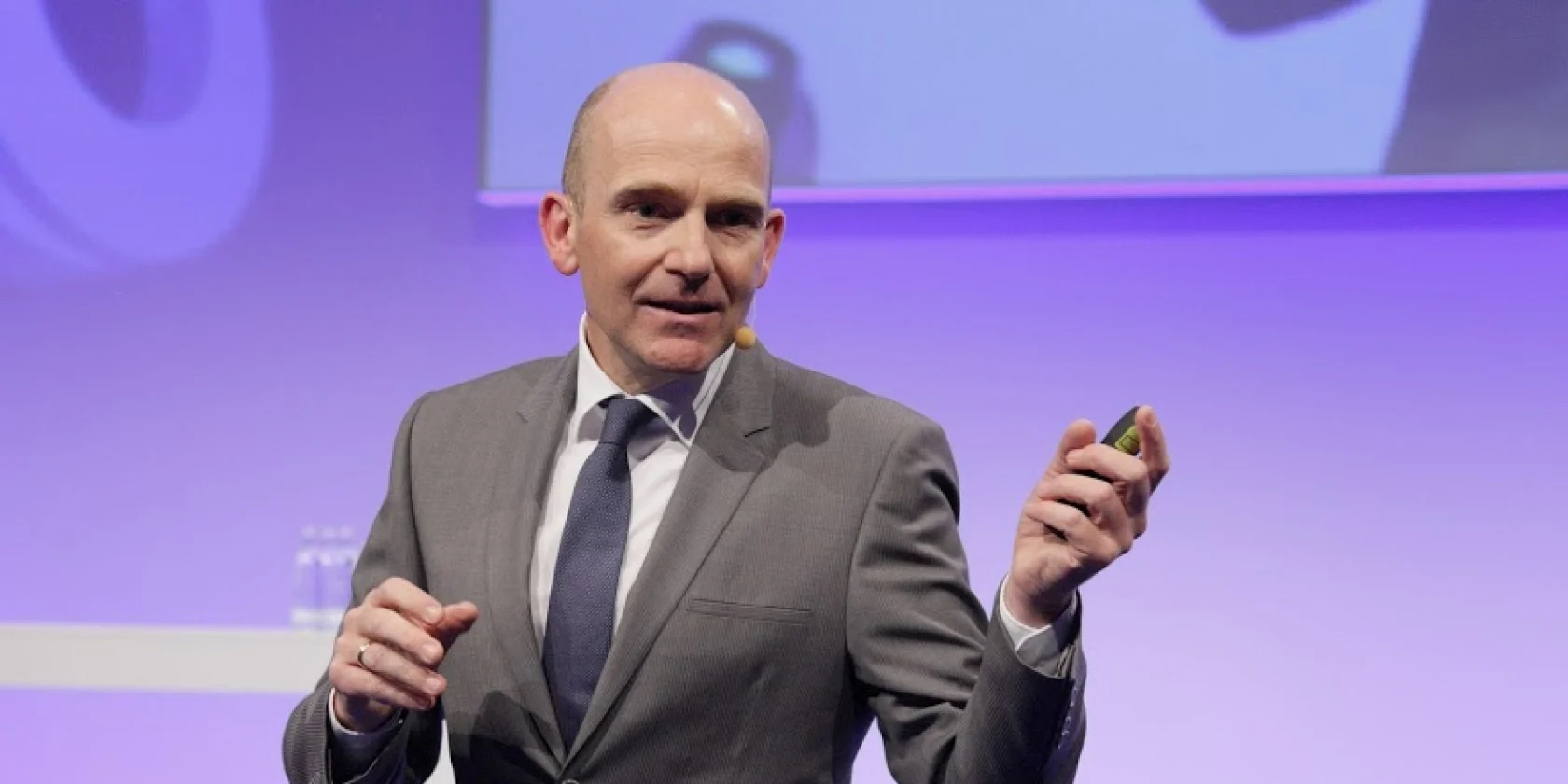
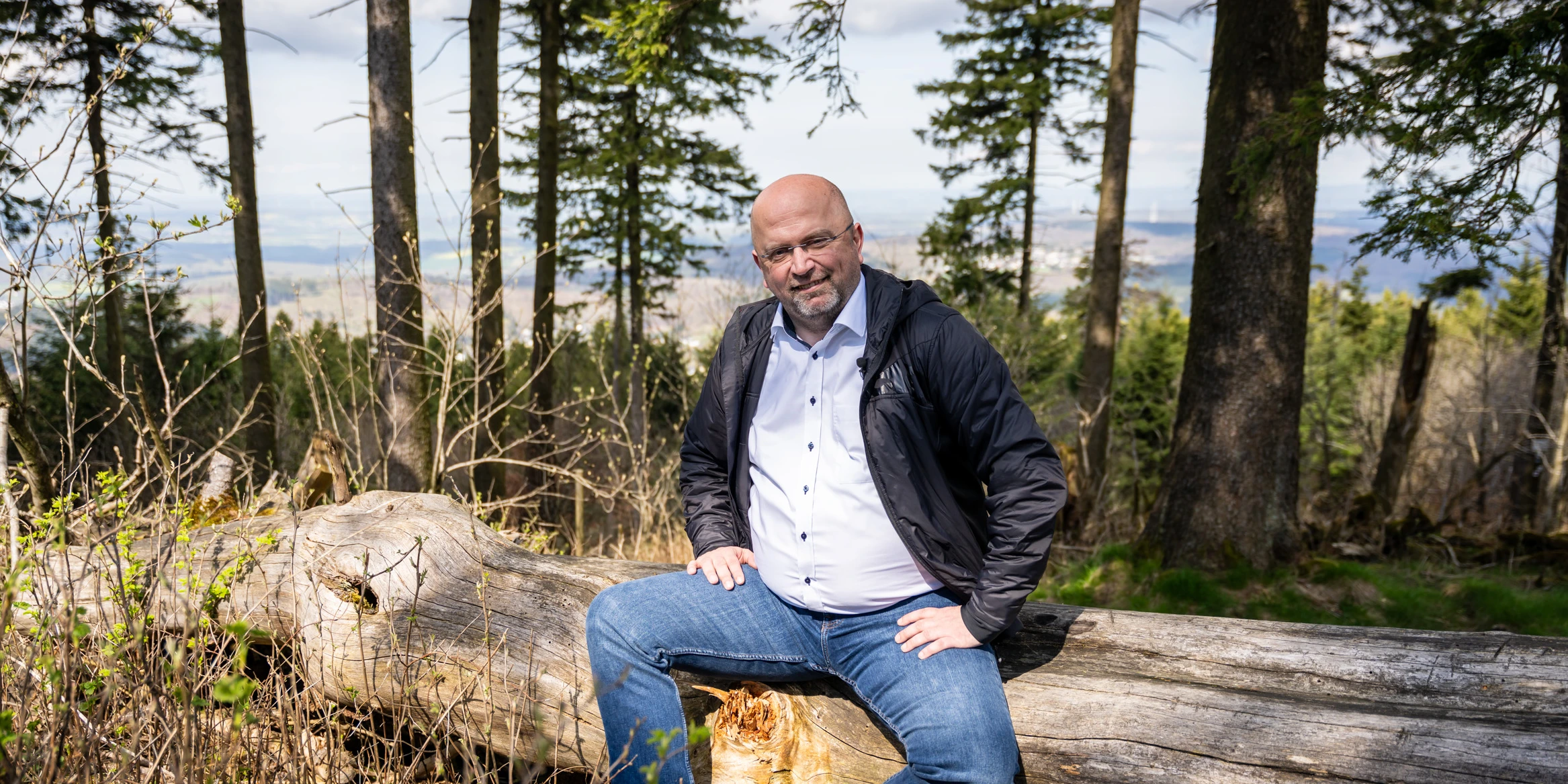
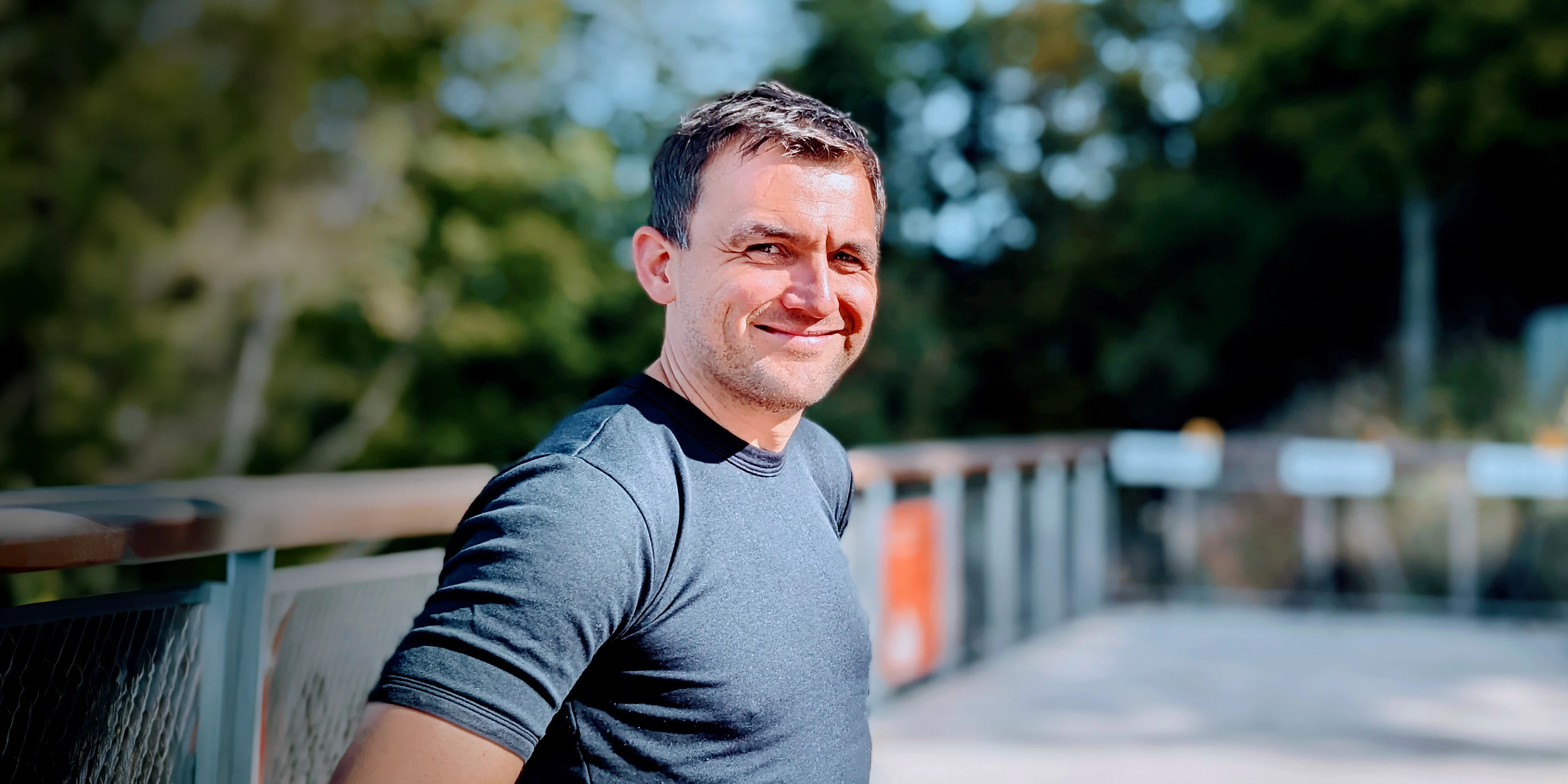
Change requires courage—and courage requires change. No one knows this better than Michael Wigge: he started over from scratch several times, again and again—with success. Today, as a coach, he shows other people how they too can find the courage to change.
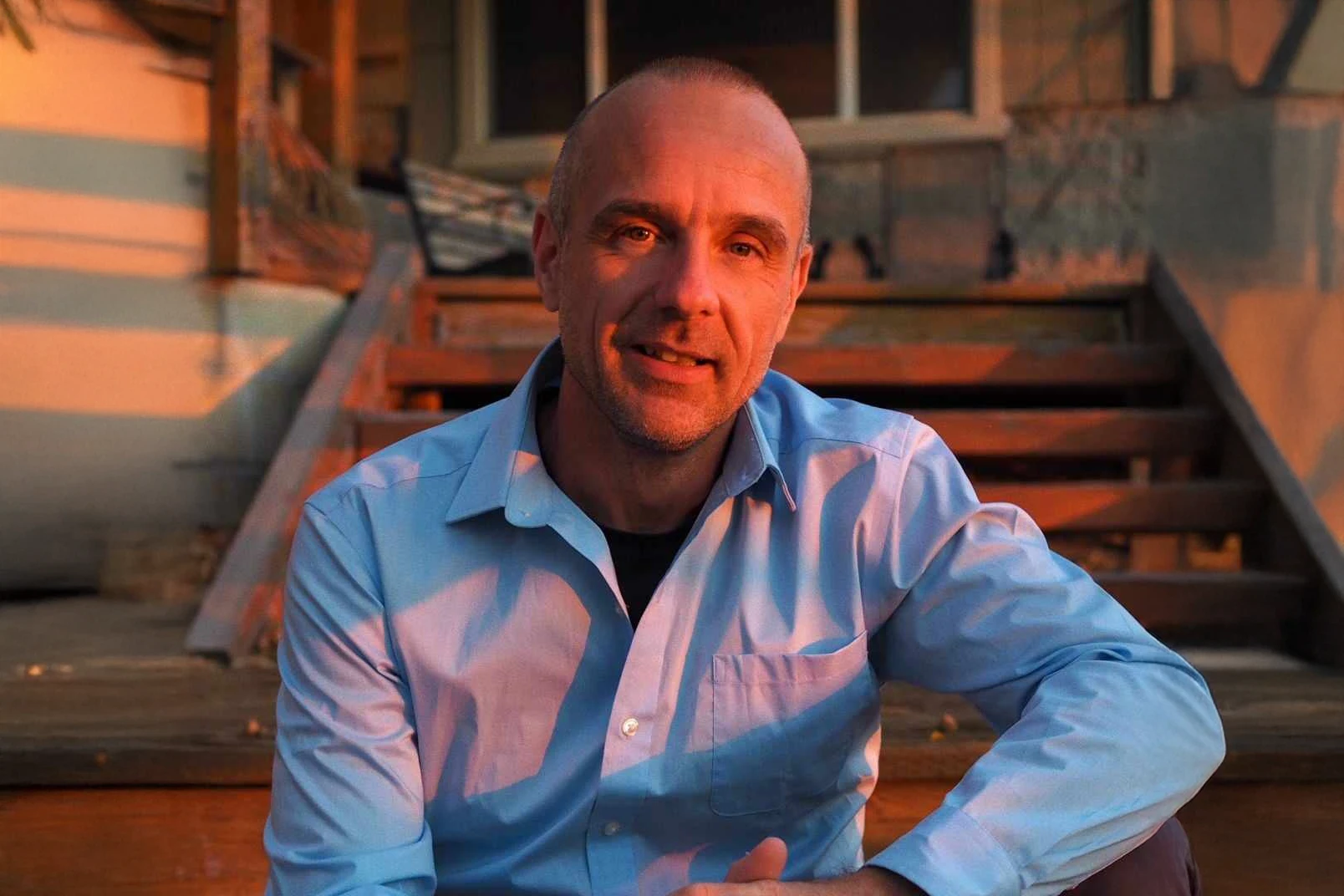
10 questions for Michael Wigge
What does "courage" mean to you personally?
For me, courage means consciously taking a step even though I feel something inside me hesitating. Courage is not the absence of fear—courage is the decision to go ahead anyway.
Please describe your training at Haufe Akademie.
I offer training courses on courage, willingness to change, resilience, and mental strength: comfort zone management, motivation strategies, and change psychology are among the key topics covered. I take an interactive, humorous, and practical approach, ensuring that attendees home at the end of the day with concrete tools and "next steps." I regularly see people communicating more openly, becoming more confident, and making bolder decisions. For me, that's the best part of my job.
Can you explain why "being brave" is something negative for many people today?
Courage means uncertainty, loss of control, and the feeling that you might make mistakes. Many people confuse it with risk or unpredictability. But courage is actually a practiced, conscious step out of your comfort zone—nothing chaotic.
"Courage is not the absence of fear—courage is the decision to go anyway."
Michael Wigge
Do you feel that we Germans have lost our courage?
I think German culture tends to be more cautious—we plan, we play it safe, we like to analyze things. That's also a great strength. But compared to other countries, there's sometimes a lack of willingness to just try things out: mistakes are part of the process, experimentation is allowed, and the courage to try new things is celebrated.
Why does a society need courageous people and courageous companies?
Because courage creates innovation, enables change, and builds the future. Without courageous people, we would have no technological developments, no start-ups, no social change, and no solutions to major challenges.
What often stands in the way of this "courage"?
Two things in particular: fear of judgment and perfectionism. Both are paralyzing.
How can you overcome your fear of being brave?
By not fighting them—but embracing them. Small daily changes have the same effect as training sessions: getting up earlier, making a phone call, learning a new language, breaking routines. This teaches the brain that change is not dangerous.
Is there a model in business life for becoming more fearless and courageous?
I often utilize a three-step model: first, recognize your comfort zone, then enter your development zone, and finally integrate a success zone. This creates an agile, resilient mindset. It works for individual managers and entire organizations.
What might a change toward courage in life look like?
Consciously leave your comfort zone once a day. Establish new routines. View change as training. And allow yourself to be imperfect.
What is your next personal "test of courage"?
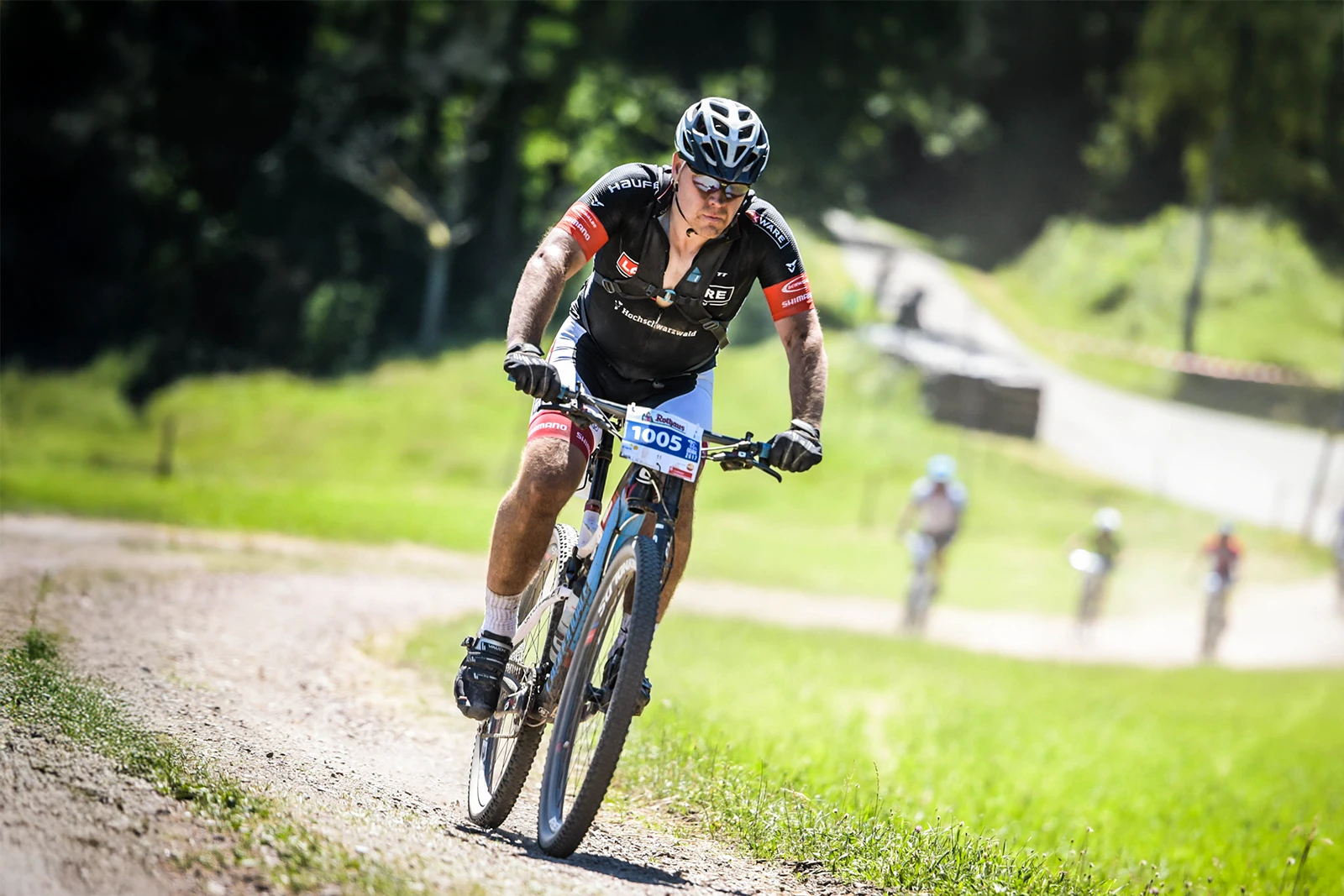
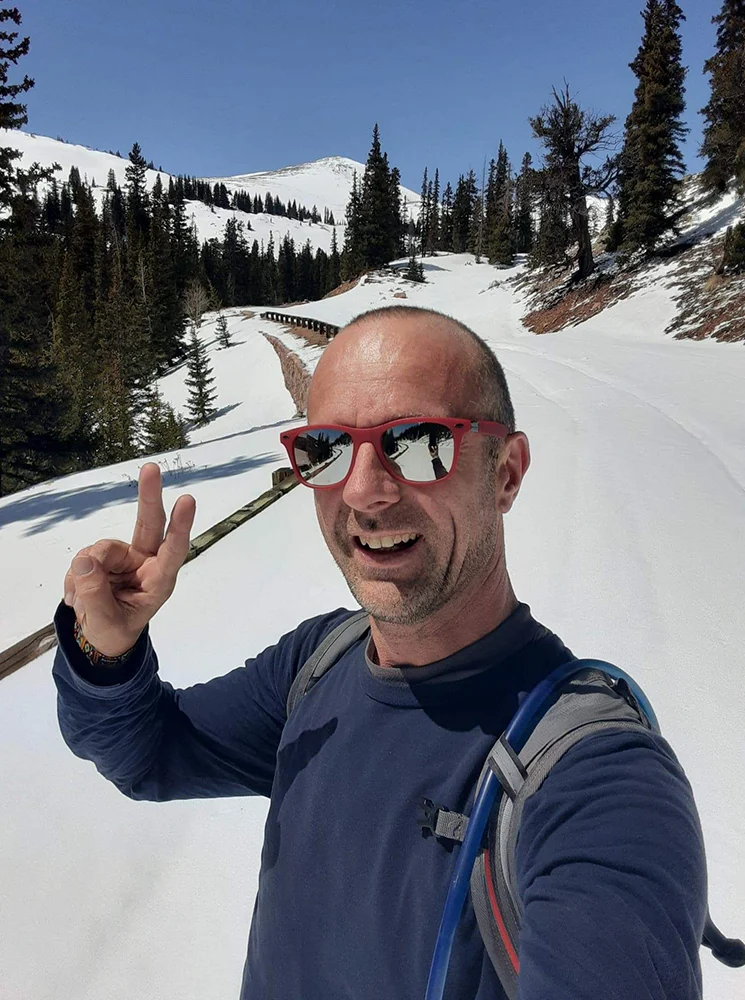
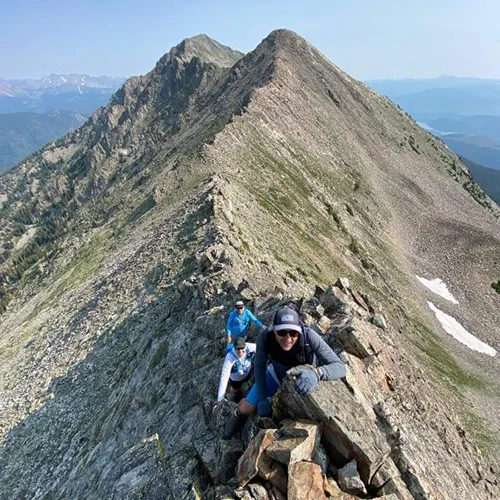
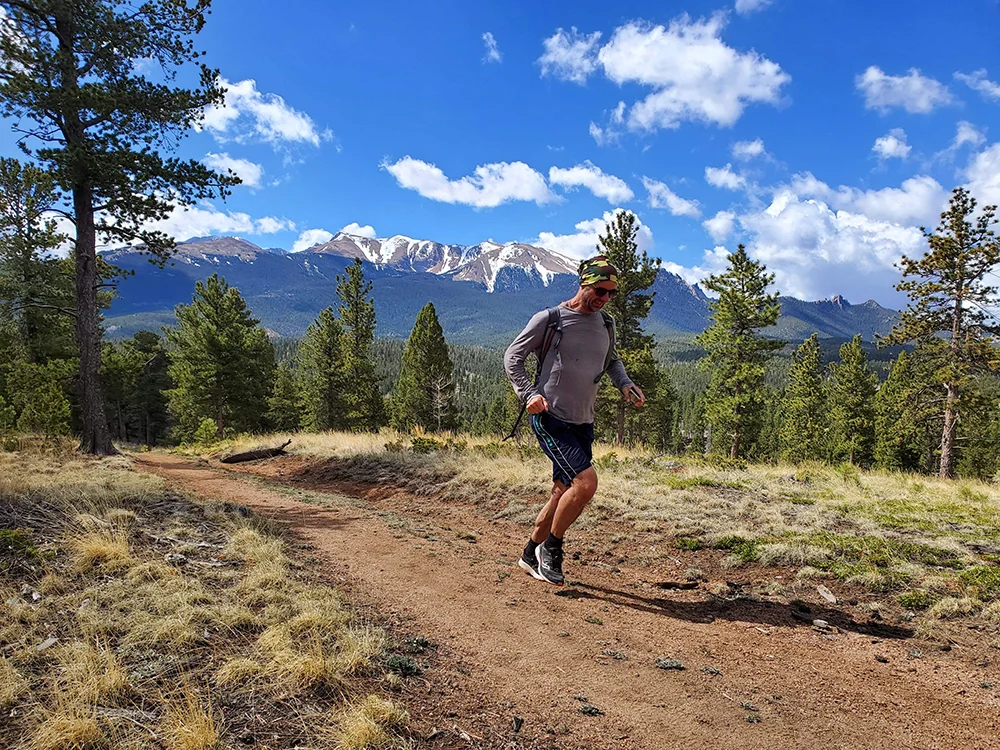
For me, courage was often the moment when I said, "I'm starting over, even though I don't know what will happen." I traveled around the world without any money, often started completely new careers, and emigrated to the USA. Now, at almost 50, I'm doing the "50 peaks" challenge. But my biggest test of courage is moving back to Germany—and the conscious decision to realign my life once again. Because for me, courage means moving forward. No matter how old you are.
"For me, courage means moving forward. No matter how old you are."
Michael Wigge