





















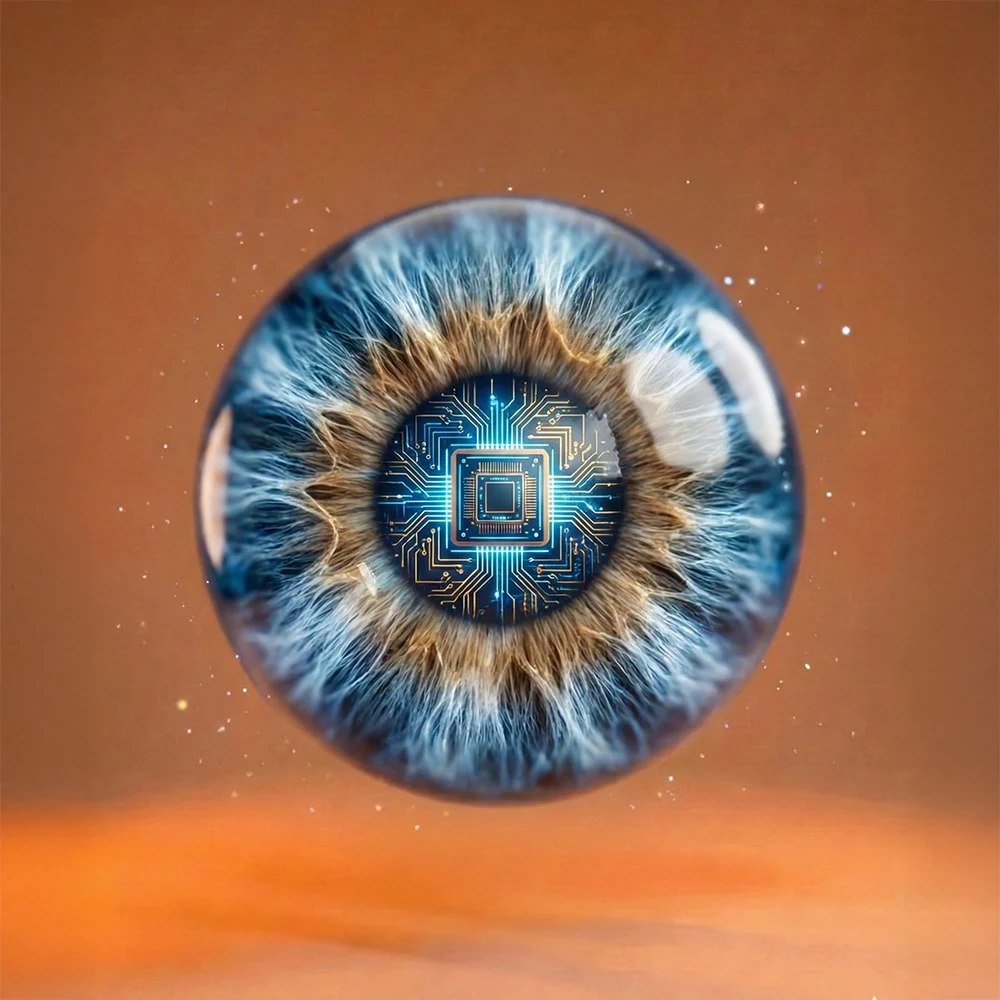
Why we should think more with our gut.
A plea to take intuition more seriously in our decisions. Because sometimes our gut already knows what our head is still pondering—and courage means trusting that feeling.

How often have you known that you were right—long before you could justify it? A job offer that "just doesn't feel right." A person you instantly click with. A decision you make in seconds without knowing why—just like that, based on intuition.
That vague feeling deep inside is our gut feeling. And although it so often shows us the way, we doubt it as if it were unreasonable. We calculate, compare, analyze. We seek security where what is actually needed is trust in ourselves. But this form of self-confidence requires courage. Because when you listen to your gut feeling, you leave the realm of control and enter that of conviction.


Let your body decide
Researchers now largely agree that our gut feelings are not random, but rather the result of experience and unconscious pattern recognition. Neuroscientist Antonio Damasio discovered this back in the 1990s. He observed patients whose connection between emotion and reason in the brain had been severed by injury. These people were able to analyze data perfectly, but could no longer make decisions.
They lacked what Damasio calls the "somatic marker": the physical signal that lets us feel what is right or wrong for ourselves. (Source: Damasio, A. R. (1994). Descartes' Error: Emotion, Reason, and the Human Brain. University of Iowa – Research Profile)
Since then, it has been considered a certainty: without feeling, there is no thinking. And without a body, there is no feeling. This explains why we sometimes get heart palpitations or a queasy feeling in our stomachs when we make courageous decisions. Our body knows that something is at stake—often before our head even realizes it. And that is exactly where courage begins: when we accept that this feeling is right.
"Without feeling, there is no thinking. And without a body, there is no feeling."
When intuition works faster than logic
I remember a job interview that seemed perfect at first glance: great salary, friendly team, excellent prospects. But I couldn't shake this feeling of unease. At the time, I thought, "Go for it, it'll be fine" – and regretted it just a few months later. My gut feeling had been right.
Following your instincts in moments like these shows courage. Because listening to your gut feeling means standing up to the loud chorus of reason. It means making a decision even though you can't fully explain it yet.
In his book "Gut Feelings: The Intelligence of the Unconscious and the Power of Intuition," German decision researcher Gerd Gigerenzer describes how people who trust their intuition in complex situations often make better decisions than those who think everything through in detail. The head looks for evidence, the gut recognizes connections.
Of course, he too can be wrong—especially when fear or stress cloud his judgment. But those who are brave enough to pause and listen to their own voice amid the noise will usually find the clearer path.

5 things you should just do on impulse.
- Tell someone you like them. Right now.
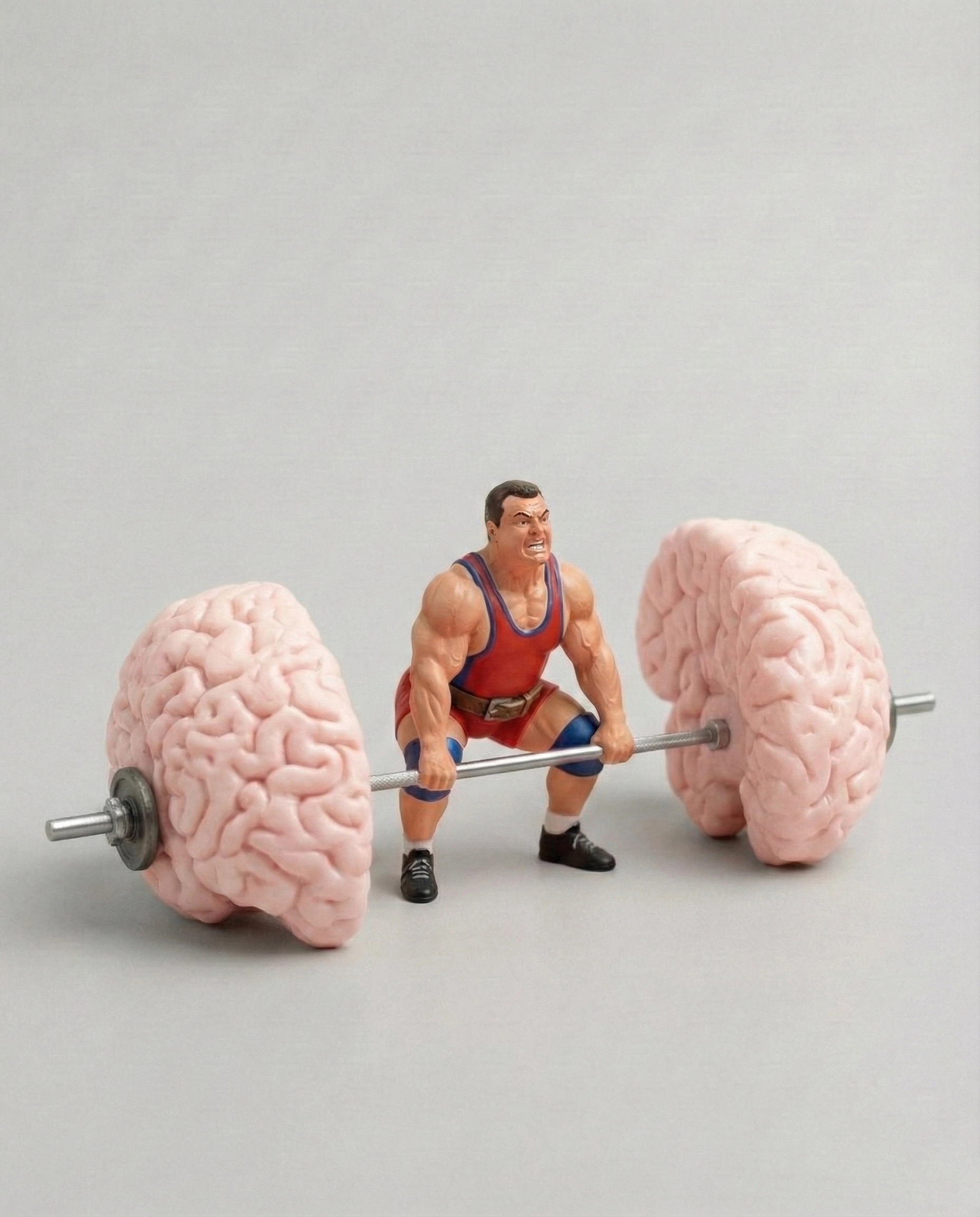
Bebrave. Spontaneity is the muscle training of intuition. -
Get offone stop earlier and explore what happens. - When you're at a restaurant, pick a dish you've never tried before.
Taking smallrisks helps us feel more confident about trying new things—both in food and in life. - Go on vacation alone.
Get to know other countries. And discover many new sides to yourself. - Cook without a recipe, just follow your instincts.
When youcook intuitively, you activate the same areas of the brain as when you solve problems creatively.
Silence tells us more than we think
The problem is rarely that we lack intuition. We just ignore it. In a world where data, opinions, and expectations are louder than ever, silence has become a rare luxury. And it is precisely there, in that silence, that our gut feeling speaks to us. Sometimes courage doesn't need a stage, just a moment of calm. A walk, deep breathing, the willingness to pause and not react. Movement helps because it activates the body—and the body is the resonance chamber of intuition.
Here's a little trick that works amazingly well: if you're torn between two options, make a tentative decision and see how your body reacts. Does it warm your heart or make you feel a little uneasy? That's your inner compass.
Knowledge comes from the head, courage from the gut
Intuition develops where knowledge and courage meet. The more courageous our decisions, the more reliable our gut feeling becomes—because it is based on more patterns. Those who allow themselves to be more courageous not only expand their minds, but also their sense of which decisions are right for them.
If you want to learn how to trust this inner compass even more clearly, it's worth taking a look at the Haufe Akademie training Stress Reduction & Resilience through Embodiment – When Head and Gut Form a Team."It focuses on mindfulness, self-awareness, and decision-making skills – in short, the ability to combine your intuition with courage and awareness.
Because when you trust your gut, you not only make decisions faster, but also more authentically.
Being brave sometimes just means listening to yourself.
More courage
Courage has many faces—sometimes loud, sometimes quiet, sometimes obvious, and sometimes hidden. Discover more courageous inspiration here.

Where does courage come from? Why genuine courage is rare today—and yet more important than ever before.





Courage is the raw material for innovation: When a traditional company shapes the future



Courage that drives processes: Why courage in companies does not have to be loud to be effective.