













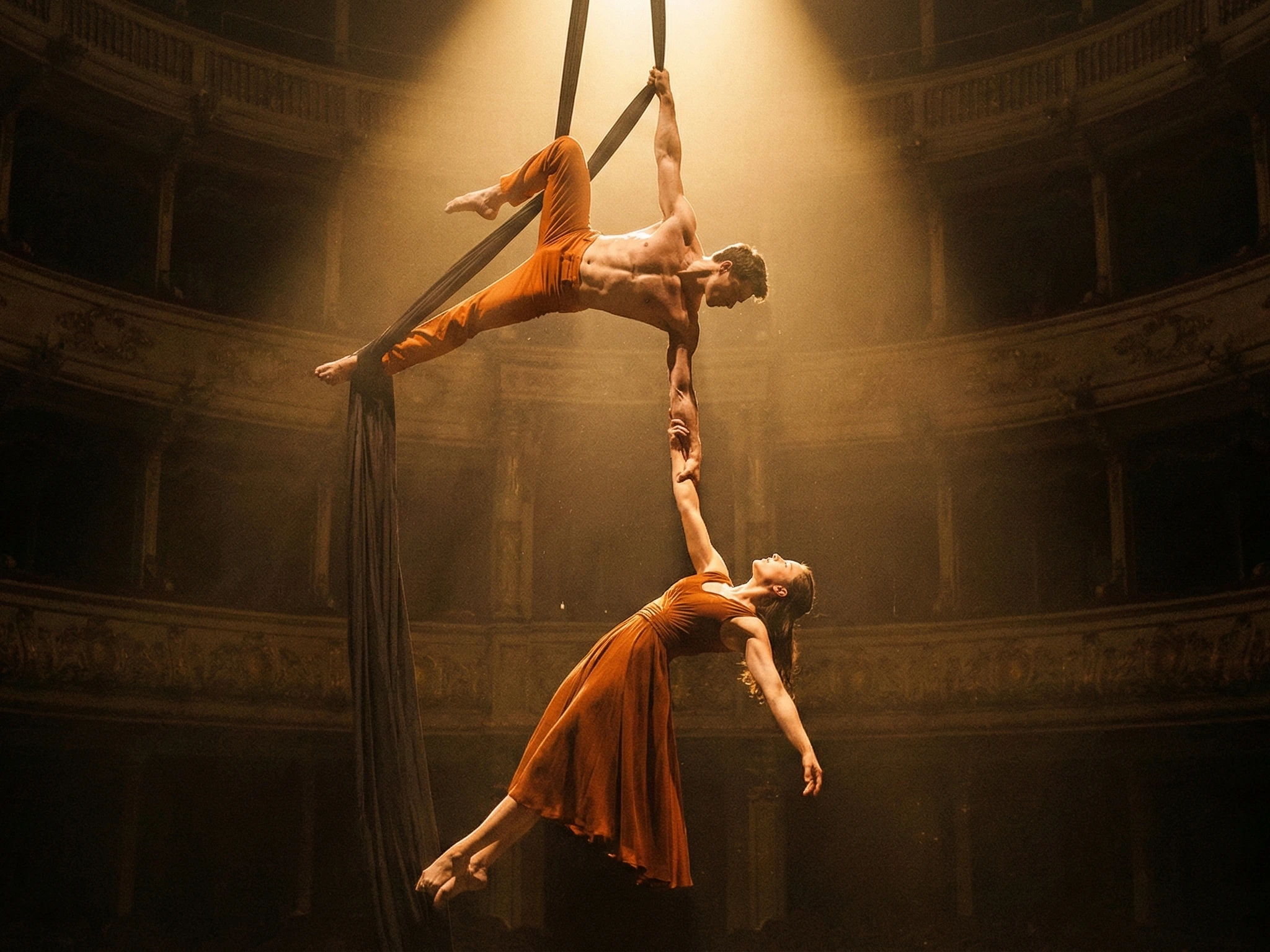
Courage is learning to dance with fear.
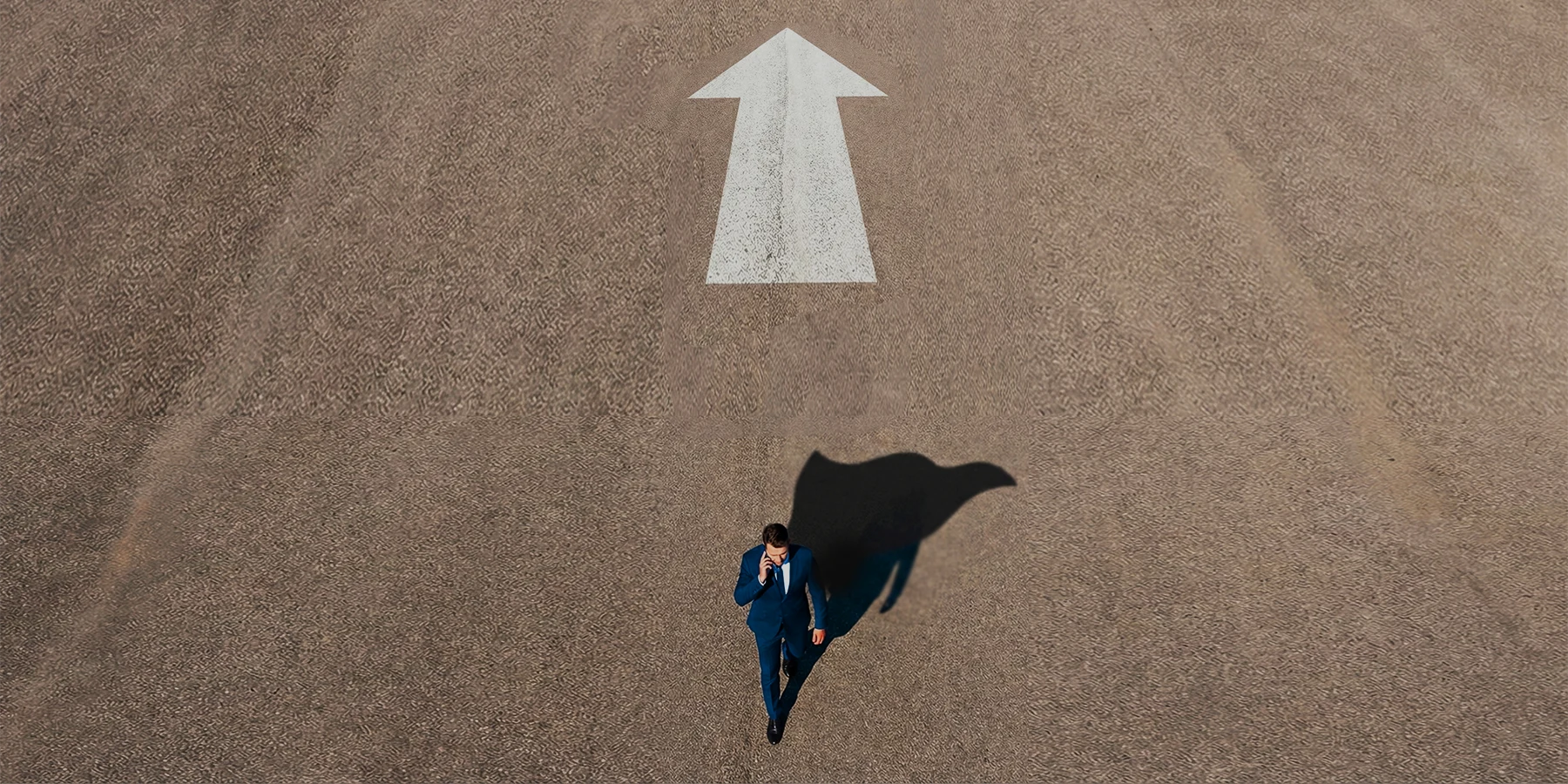
We all know those moments when fear becomes loud—and courage becomes quiet. But the two belong together: like two steps in a dance. How we learn not to fight courage and fear, but to draw new strength from them.
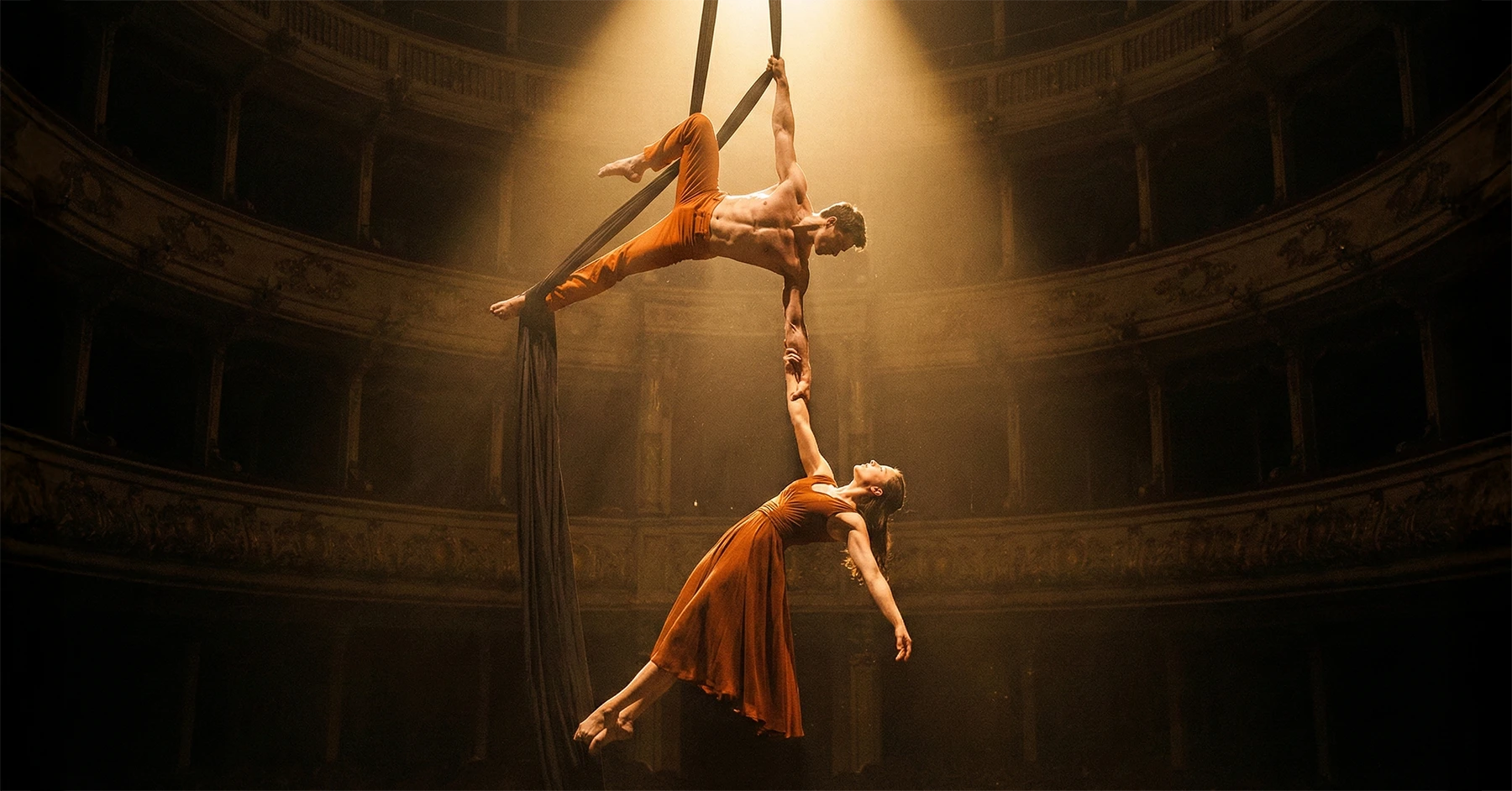

There are days when fear creeps into our thoughts as if it had its own key to our home. It comes without warning—before an uncomfortable conversation with a friend, a presentation, or sometimes just between two appointments. And it is surprisingly convincing. It whispers, "You'd better not do that. You're not ready yet." The truth is, we all know this feeling.
Fear is as much a part of us as gravity—uncomfortable, but necessary to keep us grounded. It warns us of danger and keeps us alert.
But sometimes it goes too far. Then it becomes a hindrance, just when it should be giving us a boost.
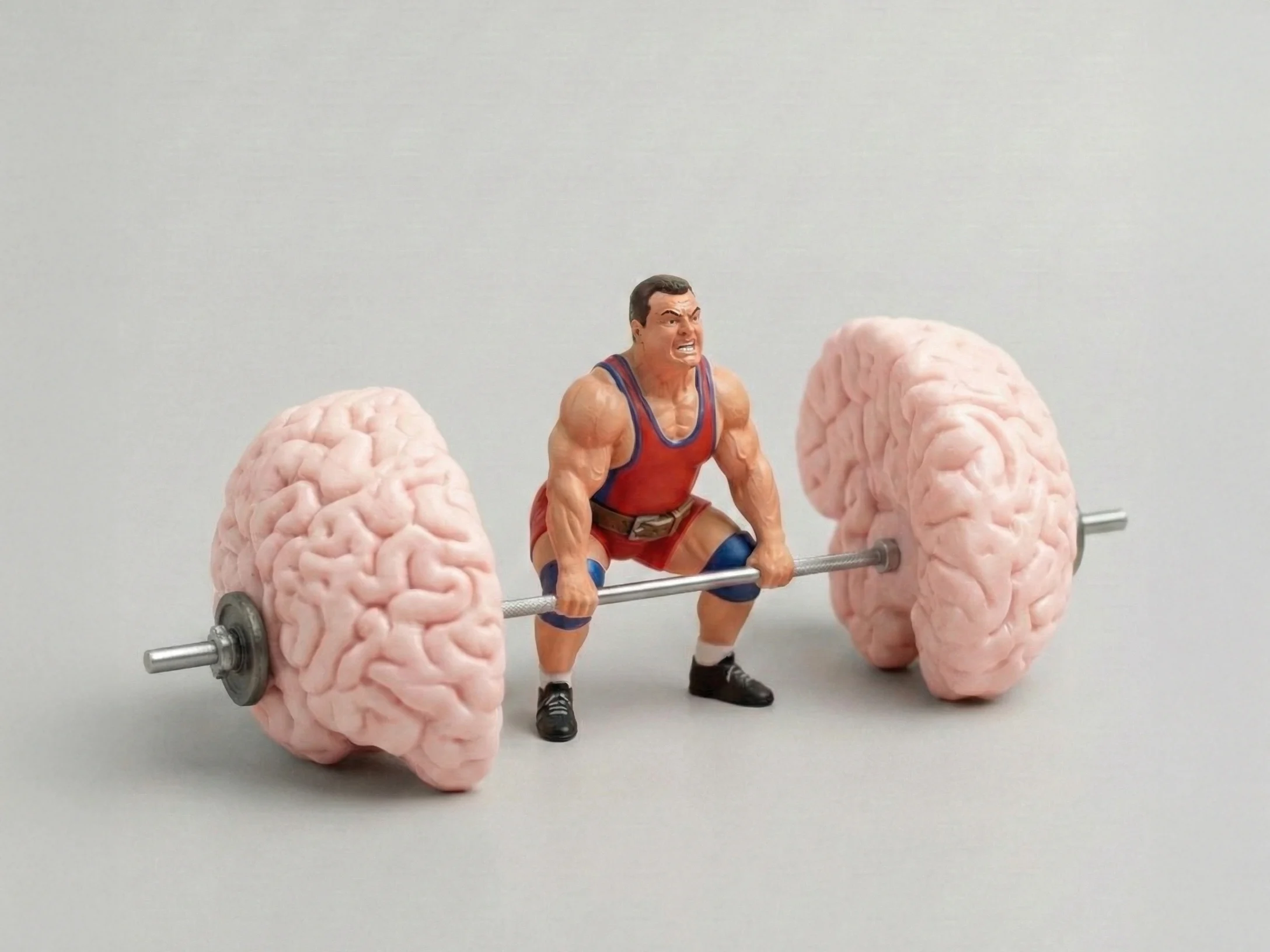
Psychologists say that fear is not a mistake, but a signal. It wants to protect us, but it exaggerates. The limbic system in the brain, which is responsible for this reaction, does not distinguish between a real threat and an important meeting. For the body, both are pure adrenaline.
Here's the good news: we can learn to deal with fear better instead of letting it control us. Because courage doesn't arise out of thin air, but precisely where fear is.
Gathering courage begins with taking a breath
One of the simplest tricks to ground yourself again is as banal as it is effective: just breathe. Slowly, consciously, deeply. Studies show that just three deep breaths can measurably lower cortisol levels, our stress hormone.
But exercise also helps. A short walk, a few steps to get the energy flowing again. This teaches the brain: I am safe. Everything is fine.
It is also helpful to give fear a name. Psychologists call this "affect labeling," i.e., naming feelings. When we say "I'm excited" instead of thinking "I'm about to fail," the emotional center of the brain calms down. It sounds like magic, but it's neurobiology. Language creates distance—and control. Sometimes it helps to welcome fear like an old friend: "It's good to see you. I know you want to protect me. But I'm going to do this anyway." It sounds crazy, but it works. Because courage is not a state that suddenly appears at some point. It is a decision – one that has to be made again and again.
Take a quick breath: 12 seconds to more calm
1. Take a deep breath (4 seconds).
Close your eyes briefly and breathe in slowly through your nose. Your chest rises and your body is supplied with more oxygen. This signals to your nervous system: "Everything is under control."
2. Hold your breath (2 seconds).
Hold the air in your body for a moment, very consciously. This pause helps your body to reduce stress levels and find new stability.
3. Exhale slowly (6 seconds).
Exhale slowly and evenly through your mouth. This will measurably calm your body: you will become clearer, more focused, and more capable of acting.
From mini to bold.
In seminars on self-management and inner strength, such as those offered by the Haufe Akademie, participants learn to consciously shape this very moment. Not to suppress fear, but to use it. One trainer describes it this way: "Fear is like a signal fire. It shows where things are getting exciting." Many report afterwards that they react more calmly at work, are more present in meetings, or finally dare to say no.
Even outside of such training sessions, there are small exercises that can help you become more courageous. For example: set yourself a mini challenge every day. Talk to someone you find appealing. Express a new opinion. Or simply take a different route to work. It sounds trivial, but it's training for the brain. Every little step you take overcomes a barrier and leaves a new trace in your nervous system, which makes you more confident the next time. Of course, this doesn't make the fear disappear. But it does lose its power.
And sometimes it even transforms—into energy, focus, enthusiasm. The body reacts to courage and fear in almost the same way: with a pounding heart, sweat, or goose bumps. The difference lies only in the meaning we attach to these signals. Whether we say "I'm scared" or "I'm excited" often determines whether we go ahead or back down.
Perhaps that is the real art: not seeing fear as an enemy, but as a guide. It shows us what is important to us. Because where our heart beats faster is often where our next step in development lies. Courage then does not mean being fearless, but dancing with fear instead of letting it lead us.