










Those who want transformation are completely lost without courage.
Modern leadership today requires more than pathos and processes. Above all, it requires one thing: courage. This is precisely what Peter Baumgartner has been talking about for many years—as a consultant, coach, and university lecturer.
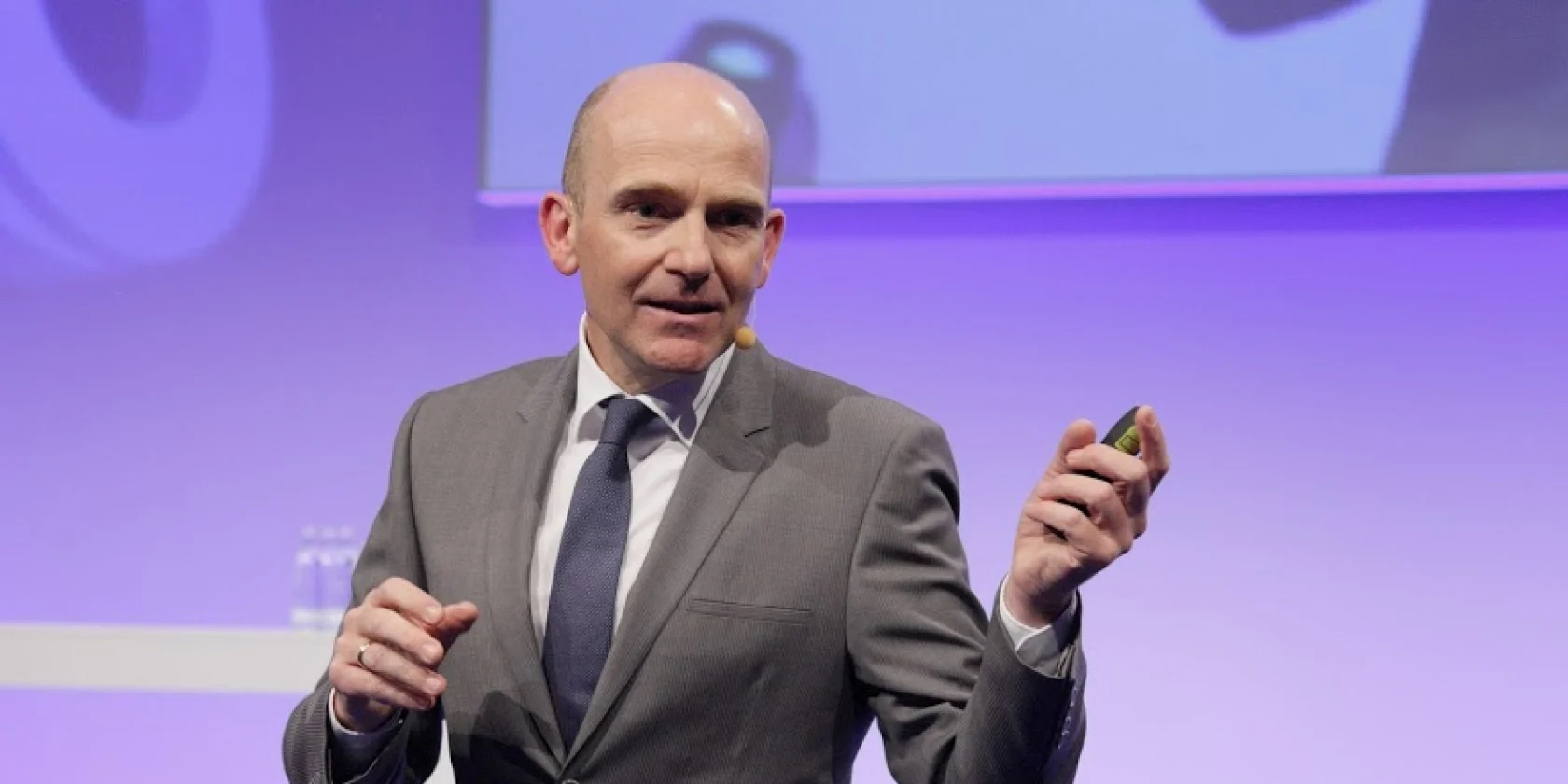
10 questions for Peter Baumgartner
How would you define "courage"?
Courage does not mean blindly ignoring dangers—it means overcoming them while being aware of them. It is not always heroic, wild, loud, or based on endless power. The courage I am referring to is a sincere and attentive, reflective, and empathetic attitude toward other people.
How can you overcome fear and discouragement?
Unfortunately, there is no magic formula for dealing with this. Fear of flying, fear of public speaking, fear of doing something wrong—all of these have similar roots, but manifest themselves differently in each individual. My advice: if you want to start something new, it's best to stop doing something old.
Your training Haufe Akademie "Courage in Management." Why do managers need courage today? Do companies lack courage?
Yes. Many people just hold on to what they have and only do what they can. That's not how you develop. That only happens at the edge. Anyone who wants transformation today is completely lost without courage.
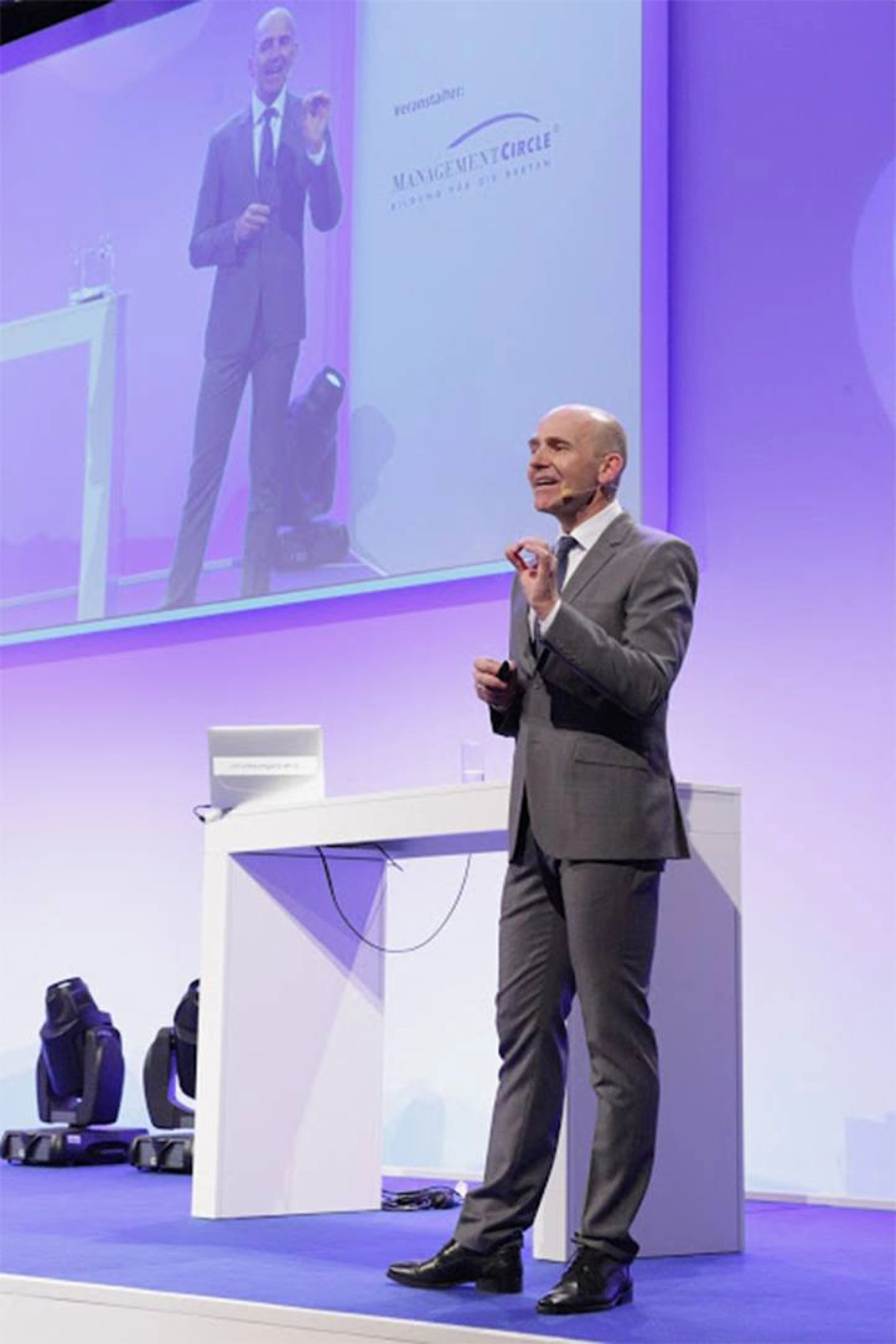
"If you want to start something new, it's best to stop doing something old."
Peter Baumgartner
Can you tell us a little about your training? What does it involve?
People from a wide variety of industries come together for two days to be radically honest—in a constant alternation of lectures, discussions, partner and group work, presentations, and exercises. In the evening, we reflect on the first day and set the topics for the next. I attendees the content to the attendees : every individual seminar documents and appropriate symbols of courage.
What do you take training event from your training event ?
That's up to each individual to decide. But what I do believe is that managers need to encourage people to grow courageously. I convey this message through a broad spectrum of economics, psychology, art, and literature – from Sir Carl Popper's "Optimism is a duty" to Falco's "Everything. Always everything."
To what extent is this about "modern leadership" today?
Every minute is about modern leadership. We can no longer lead today as we did decades ago—now it's all about clarity and impact, empathy and emotion. My first book, published in 2007, is called "Managers Must Encourage Courage." For me, the title and the associated claim are timelessly valid.
"We can no longer lead today as we did decades ago—now it's all about clarity and impact, empathy and emotion."
Peter Baumgartner
What distinguishes a modern leader today?
Not much from glossy brochures and social media posts. Rather, a successful combination of approachability and trust, communication and belonging.
How do people experience your events? Have they become more courageous?
Let's hear from one participant: "Flat, tired, exhausted. My head is full, but I'm totally happy and raring to go. Thanks, Peter!"
Whether in business, politics, or culture, discouragement is widespread. Who comes to mind that you would like to welcome to your training?
A list of names would be neither complete nor fair at this point in time. But those who lack foresight and, above all, those who act in a despondent and complacent manner would probably be exactly right.
What is your next personal "test of courage"?
I think that all our tests of courage are pretty meaningless—whether in sports or in business. Where it becomes existential, true courage is required. And must be found. But to answer the question: it would probably be a long, very high ski tour with crampons and ice axes.