











Courage is the raw material for innovation
Reading time: 6 min
What happens when a traditional company that is over 100 years old decides to focus not only on gold, but also on the future? In this interview, Reinhard Bochem explains how he is taking Hanseatic tradition and turning it into innovation.
"Next, there will be a whiskey with fine metal in it."
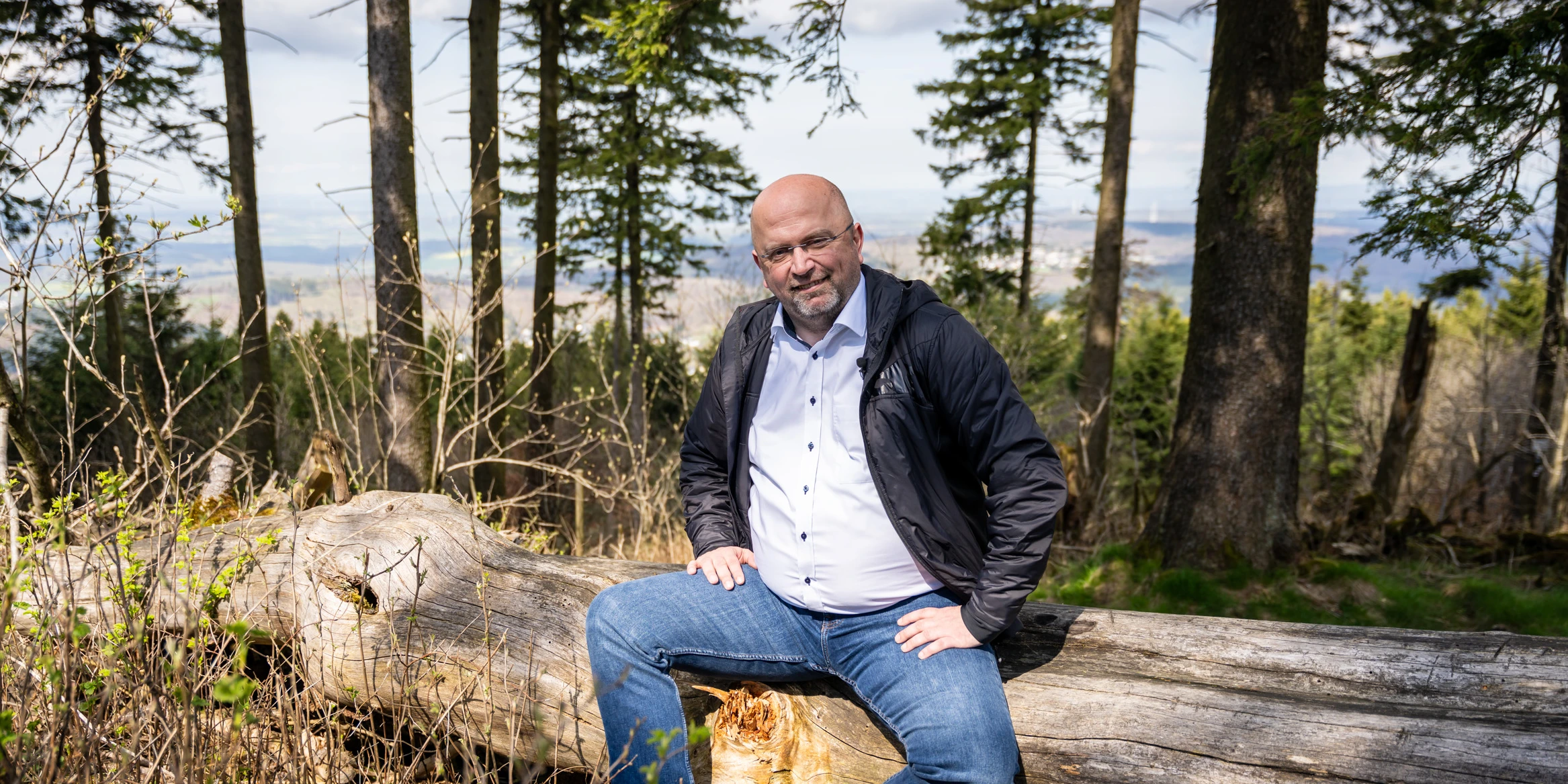
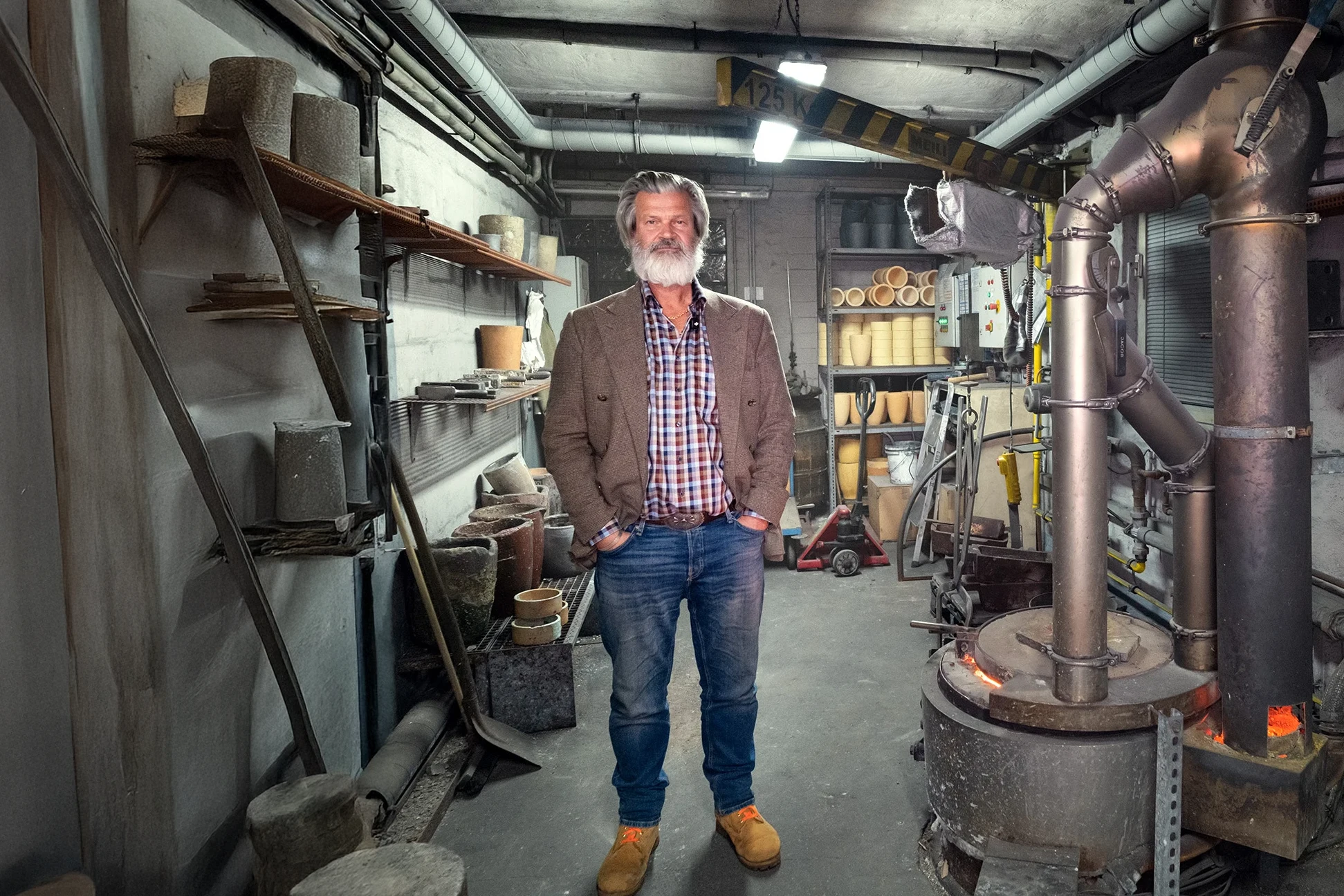
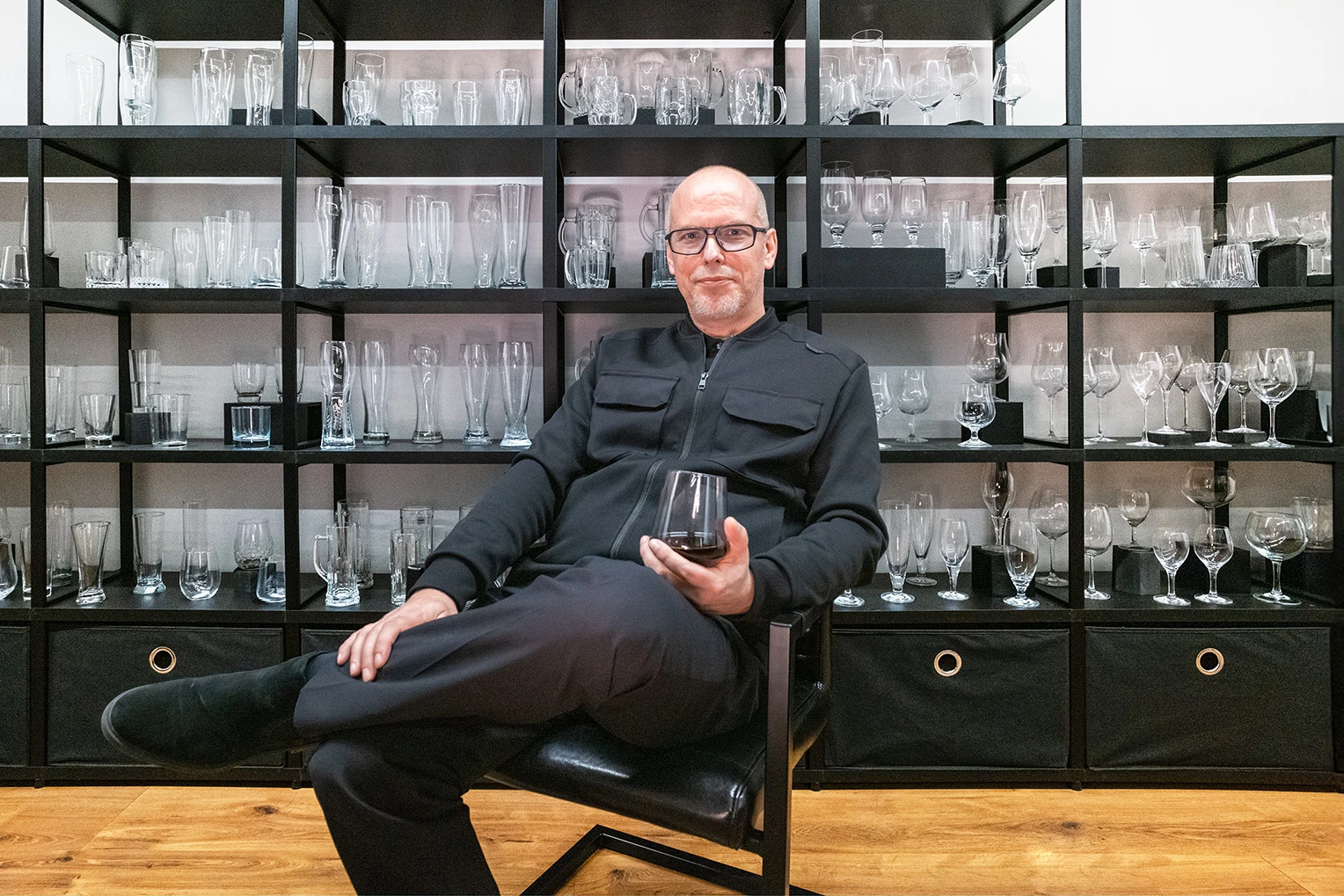
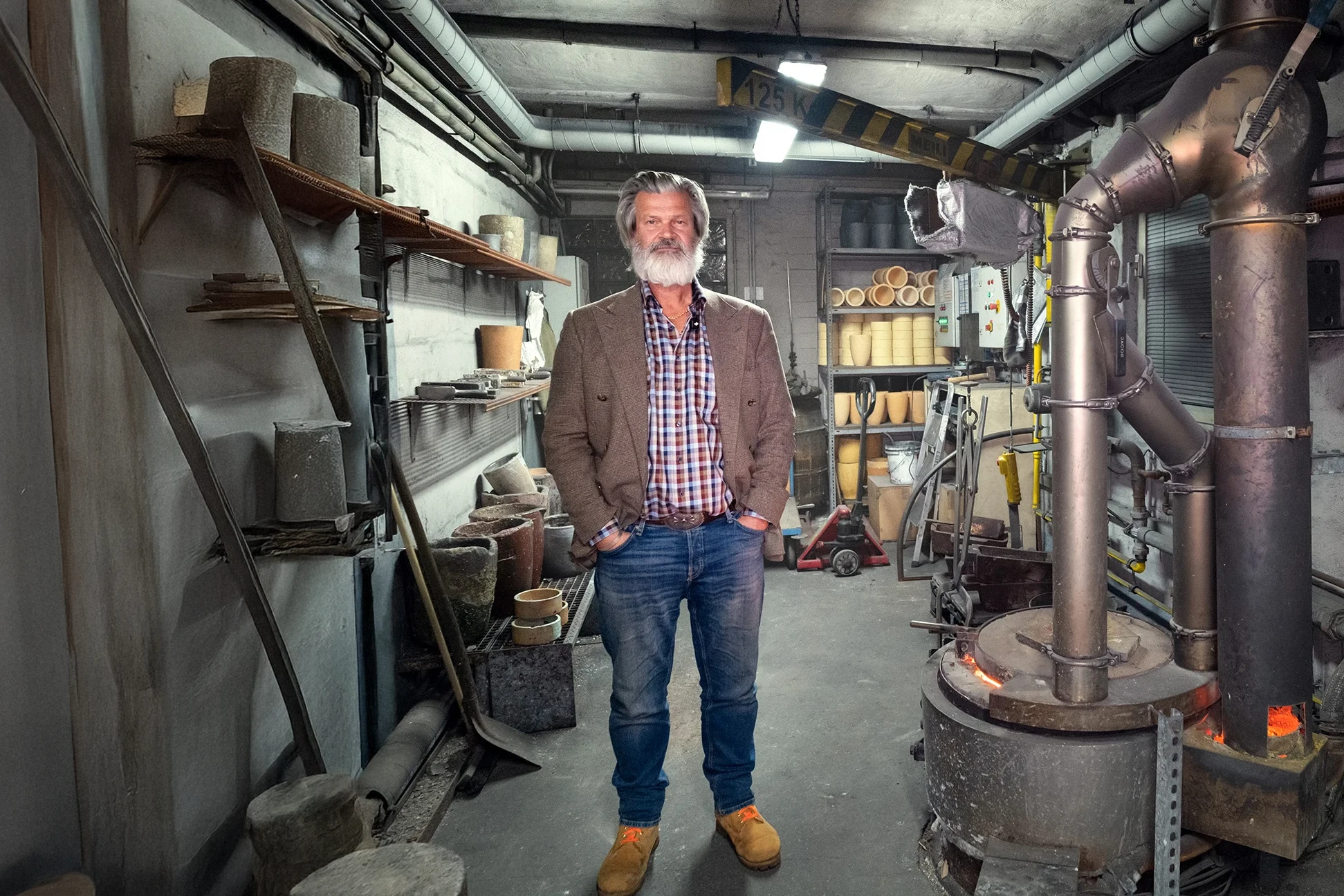
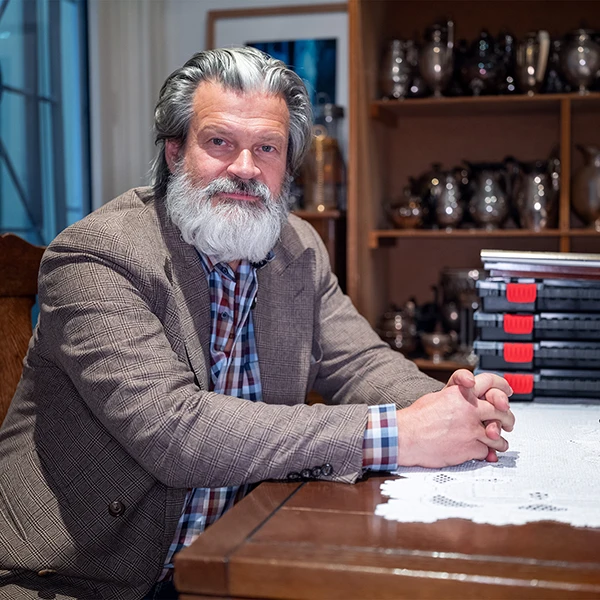
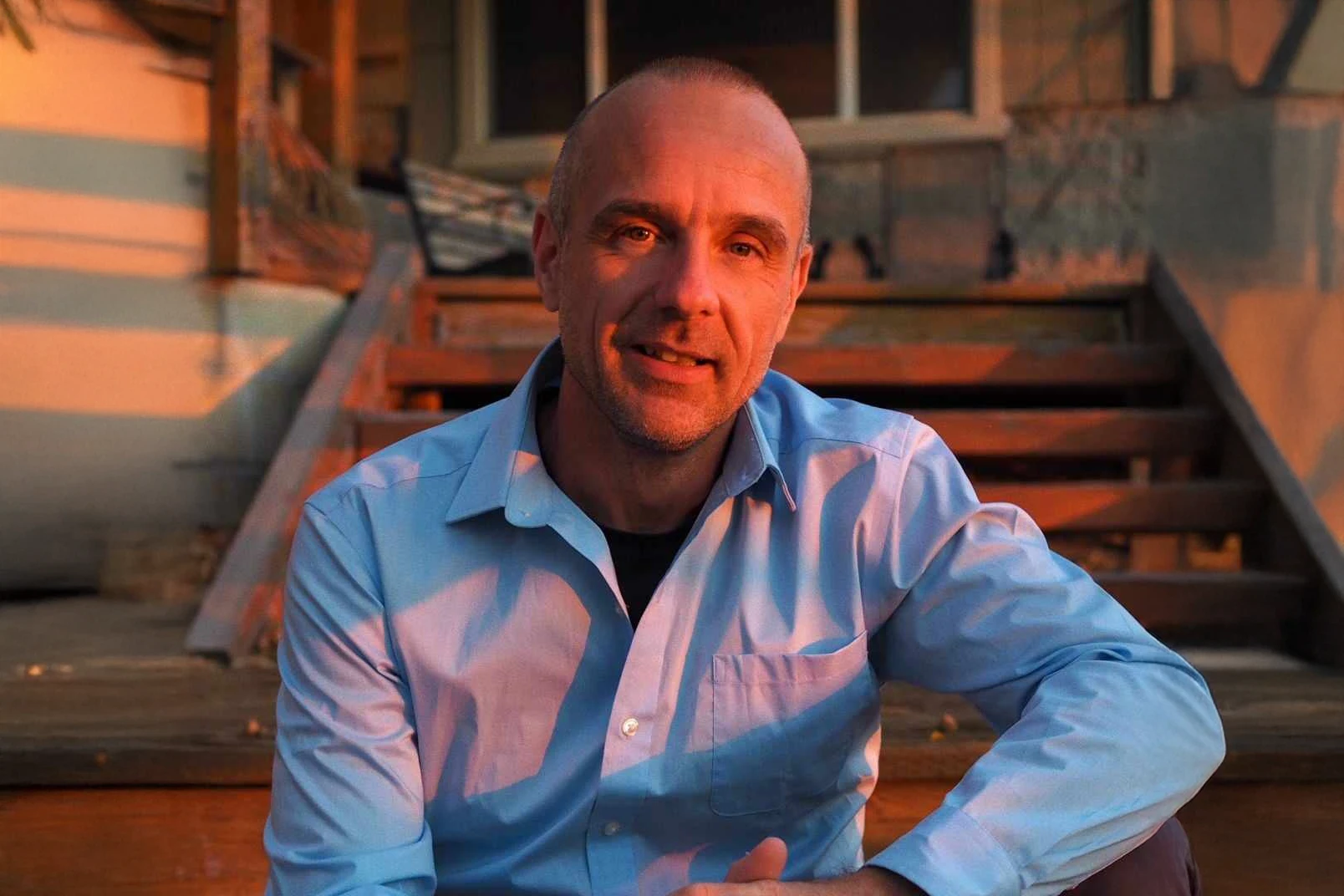
Reinhard Bochem is a partner and owner of Schiefer & Co., a precious metal refinery in Hamburg that is over 100 years old and located in the heart of the rough St. Georg district near the train station. He is the third generation to run the company and is now considering what innovations he can introduce to make it attractive to his two sons.
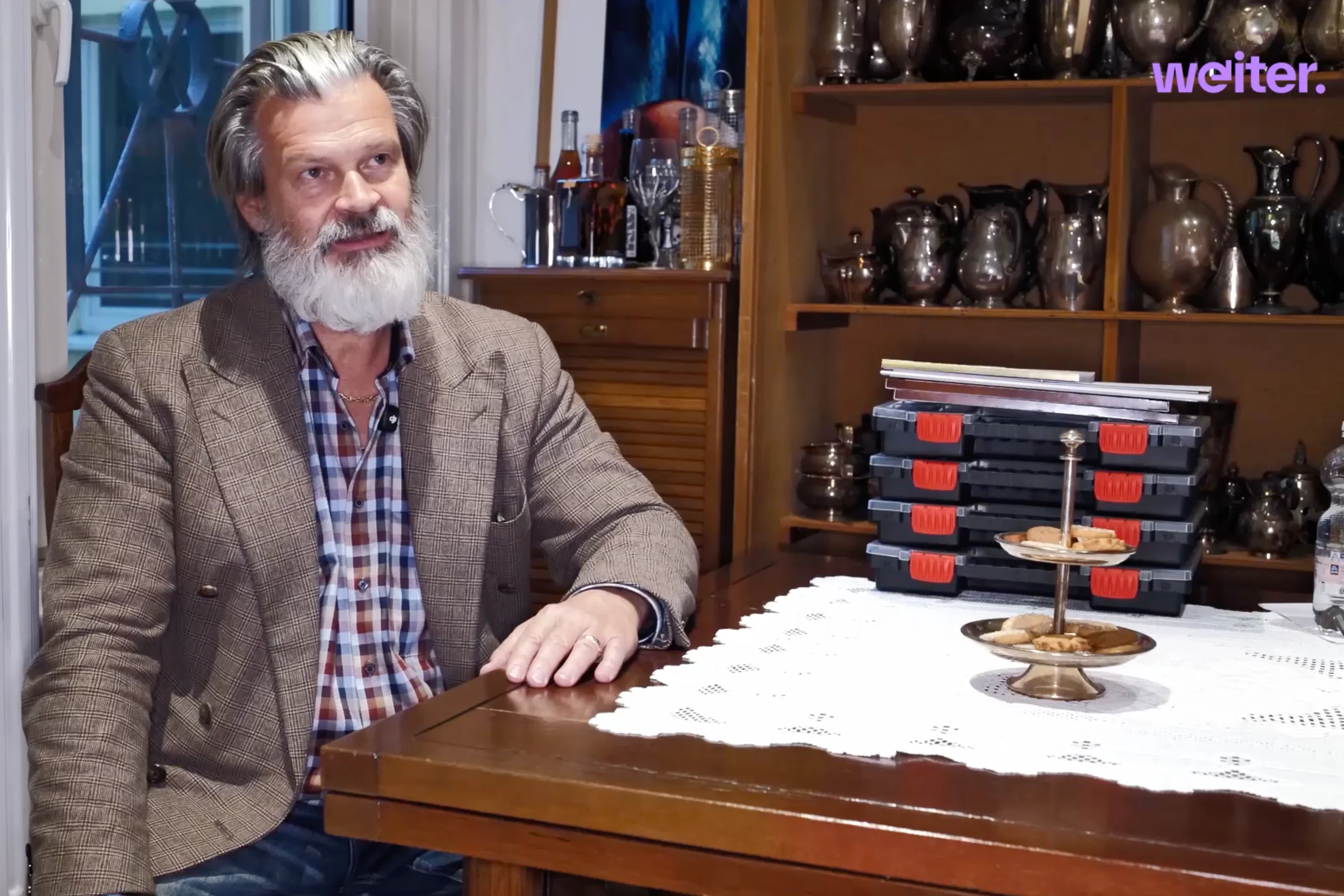
Reinhard, what exactly is a refinery?
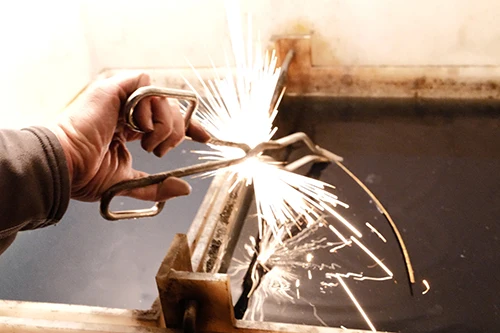
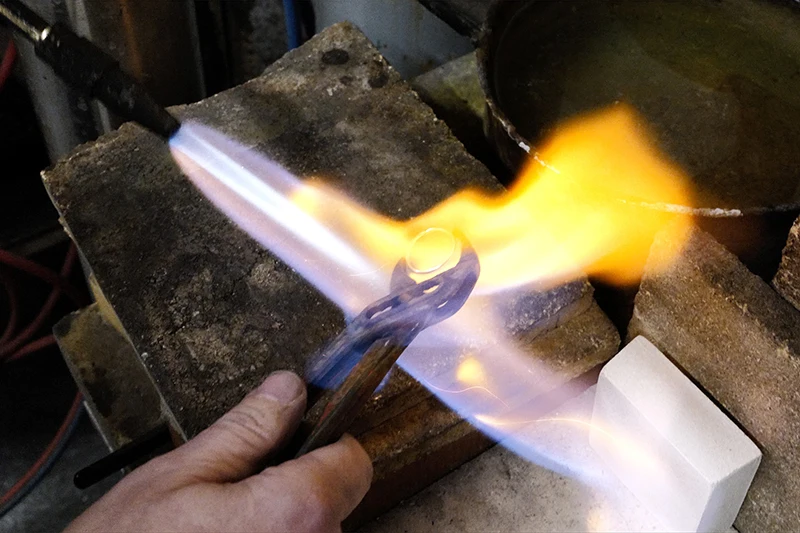
We extract the raw metals, such as semi-finished products and alloys, that jewelry makers need to create jewelry. Our customers include 1,500 gold and silversmiths throughout Germany. We offer this sensual craft and art form the complete recycling cycle for gold, silver, platinum, and palladium. We also trade in all common investment metals.
You hadn't actually planned to enter this industry...
After finishing school, I initially joined the German Armed Forces. Then I went to Paris, where I worked my way up from au pair to assistant to the head of Creative Services at Ralph Lauren, decorating showrooms and doing other similar tasks. After that, I worked as an advertising film producer for many years. My father had a successful business here with a partner for many years. And when the work became a bit too much and he was over 80, he wanted me to join him—just as I am now happy to have my sons with me.
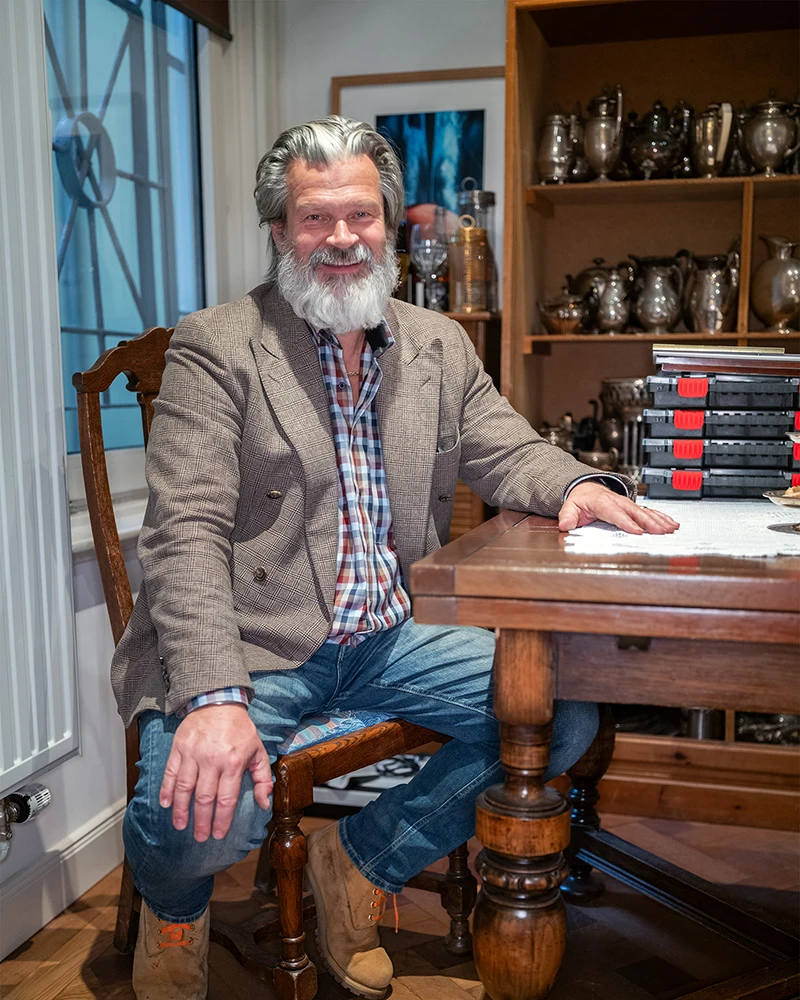
"But I want to keep developing—I want to pass something on to my sons."
That's what you might call "living Hanseatic tradition." Innovation plays at least as important a role for you.
We have a strong connection to tradition here. But I always want to keep developing—I want to pass something on to my sons. Until 2012, the company only worked in the basement here. Then the opportunity arose to take over the brothel above us. We started with the mezzanine floor, where our purchasing department is located today. Then we converted the upper floors into the "Gold Office" – a residential office with beds for jewelry designers. Of course, my experience at Ralph Lauren came in handy here. So we just kept thinking about things that could be renewed. And at some point we came up with placer gold. Where could we get natural gold that isn't mined directly from mines, but simply found in nature? My dream at the time was to take nuggets from the nature of Lapland and use them to make alloys. We are the first German refinery to offer FairTrade gold.
"We came out of the training a team that wants to produce more and more innovation."
Reinhard Bochem
Which Haufe Akademie training course Haufe Akademie you attend, and what were your expectations?
I often had to implement my ideas on my own: the 30 employees who work here are all tied up in day-to-day business. They have relatively little time to deal with innovations. Then, at some point, I Haufe Akademie . I was very impressed because I found exactly what I was looking for:training on the topic of innovation management.
training this training and discussing joint plans with my employees was difficult for me at first. I embarked on an experiment. And I invited my employees to join me. Those who had time and could take a break from their day-to-day business at short notice had the opportunity to develop a joint strategy for the company with me.
How did you find the in-house seminar day?
For me, it was a very innovative day. We surfed through ideas. We were well guided. It was much better than I had expected—simply because I was worried that day-to-day business would interrupt us and throw us off track. But the instructor was very resilient to our questions, interjections, and follow-up questions. We just had a great day. This kind oftraining our team closer together.
What did you training from the training ?
My main motivation was to unleash the team's sensitivity and commitment to a very special project. It involved scent medallions. These are small scent generators that you hang around your neck. We make them out of platinum, silver, or gold. A small piece of felt inside absorbs essential oils, which react with body heat at the neck. This means you have essential fragrances around you practically all the time. Until now, there hasn't been much enthusiasm for this in the company—simply because we've all seen ourselves as raw metal manufacturers. I wanted to use this training to develop training general direction—with the goal of selling this product as a team. We also wanted to see ourselves as manufacturers of a jewelry product. And we succeeded. We came out of the training a team that wants to produce more and more innovation. Next, there will be a whiskey with fine metal in it.
Innovation requires courage—and good tools
In an interview with Reinhard Bochem, it becomes clear that even a traditional company can shape the future if ideas are given space and consistently developed further. If you want to initiate and implement innovation in your field in a more structured way, the training provides you with practical tools—from brainstorming to a viable business plan.
How important do you think it is for entrepreneurs to be courageous today?
As an entrepreneur, courage is essential. It is the path to success.
Because without the courage to break new ground, without the courage to change things, this society will not produce new leaders. Leaders who will then also move society as a whole forward. And who will perhaps lead Germany to become a courageous country again someday."
Thank you, Reinhard, for talking to us.
More courage
Courage has many faces—sometimes loud, sometimes quiet, sometimes obvious, and sometimes hidden. Discover more courageous inspiration here.




Where does courage come from? Why genuine courage is rare today—and yet more important than ever before.



Courage that drives processes: Why courage in companies does not have to be loud to be effective.

Do you have an exciting story to tell?
If continuing education has helped you take a step "FURTHER," we'd love to hear about it. Submit your success story—and with a little luck, we'll share it together in an interview.

