



Where does the courage come from?
Between hashtags and heroic legends: Why true courage is rare today—and yet more important than ever before.
"You're brave to bite into something you don't even know," a friend said to me recently. I had just tried the orange-colored part of a scallop at the Italian restaurant on the corner. "But you do know," I replied, "that people have been eating this part, also known as corail, as a delicacy for 4,000 years, right?" Her horrified expression took a while to smooth out.
Once again, it became clear to me that the phrase "You're so brave!" in German is usually not associated with anything positive. On the contrary, it is often used instead of "That's risky!" or even "That's dangerous!" "Courage" is quickly equated with the even more negative terms "recklessness" or "arrogance." The latter, for example, does not even exist in Spanish. There, it is translated as "arrogance," if at all.
Courage has many faces today. If you believe social media, anyone who quits their job to travel through Asia is considered courageous. The term has suffered.
And yet it exists, that other, quiet courage.
People who show moral courage when things get uncomfortable. Caregivers who simply carry on during a pandemic. Whistleblowers who risk their safety for the common good.
We call all of this courage—and yet there are worlds between these forms. So what is courage really? Where does the word come from, and how has its meaning changed? Time for some clarification.
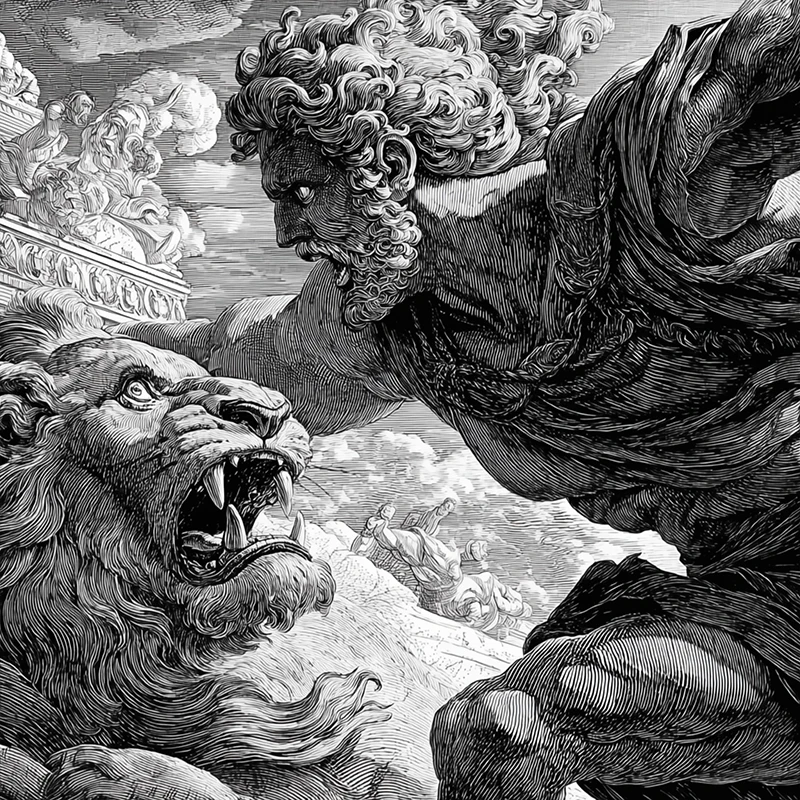
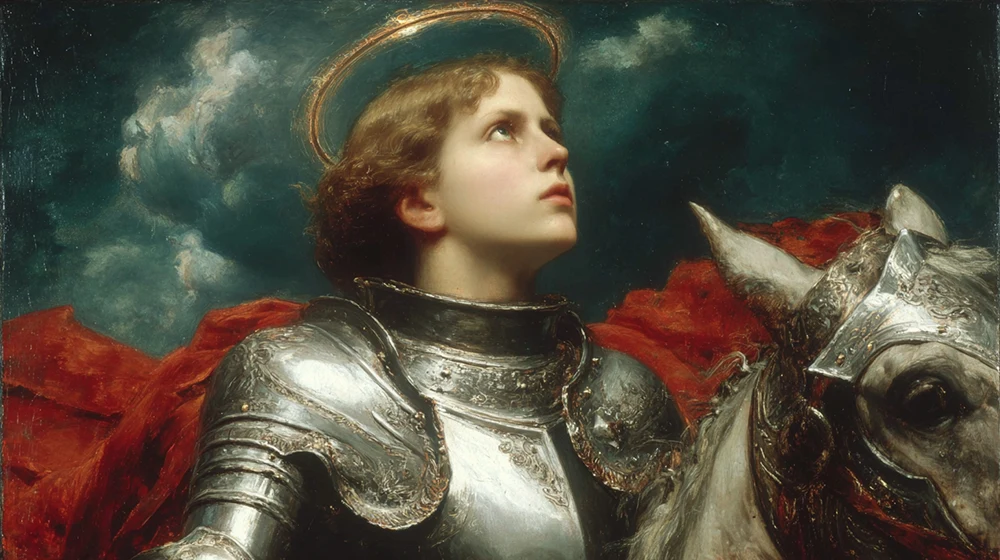
Courage has many faces—from Hercules to Joan of Arc.
The Hero's Journey – an ancient screenplay
For centuries, we have been telling stories of courage—and they sound remarkably similar. There are the myths of Hercules defeating lions; of Joan of Arc standing up to kings; of Odysseus sailing into the storm. For a long time, courage was loud, heroic, mostly male. It wore armor, had a horse, and a clear mission.
It was not until much later that another form emerged. One that does not require a stage. One where there is no applause. Coco Chanel, who liberated women from corsets. Sophie Scholl, who fought against a regime with leaflets. Or Nelson Mandela, who spent decades in prison for his convictions and yet still believed in reconciliation. Perhaps modern courage begins precisely there—not in action, but in pause.
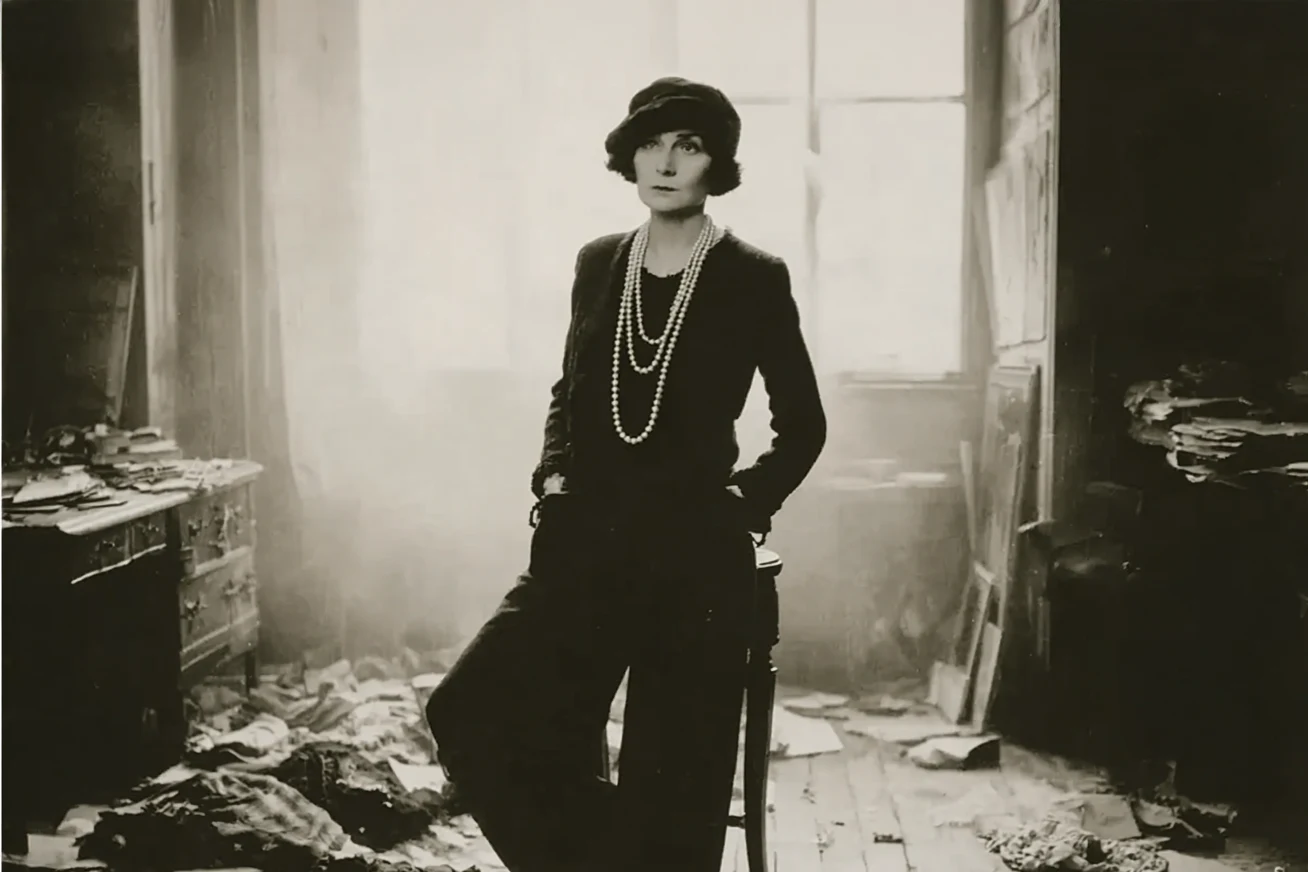
The courage to change: Coco Chanel liberated women from their corsets (
).
Between cinema and inner clarity
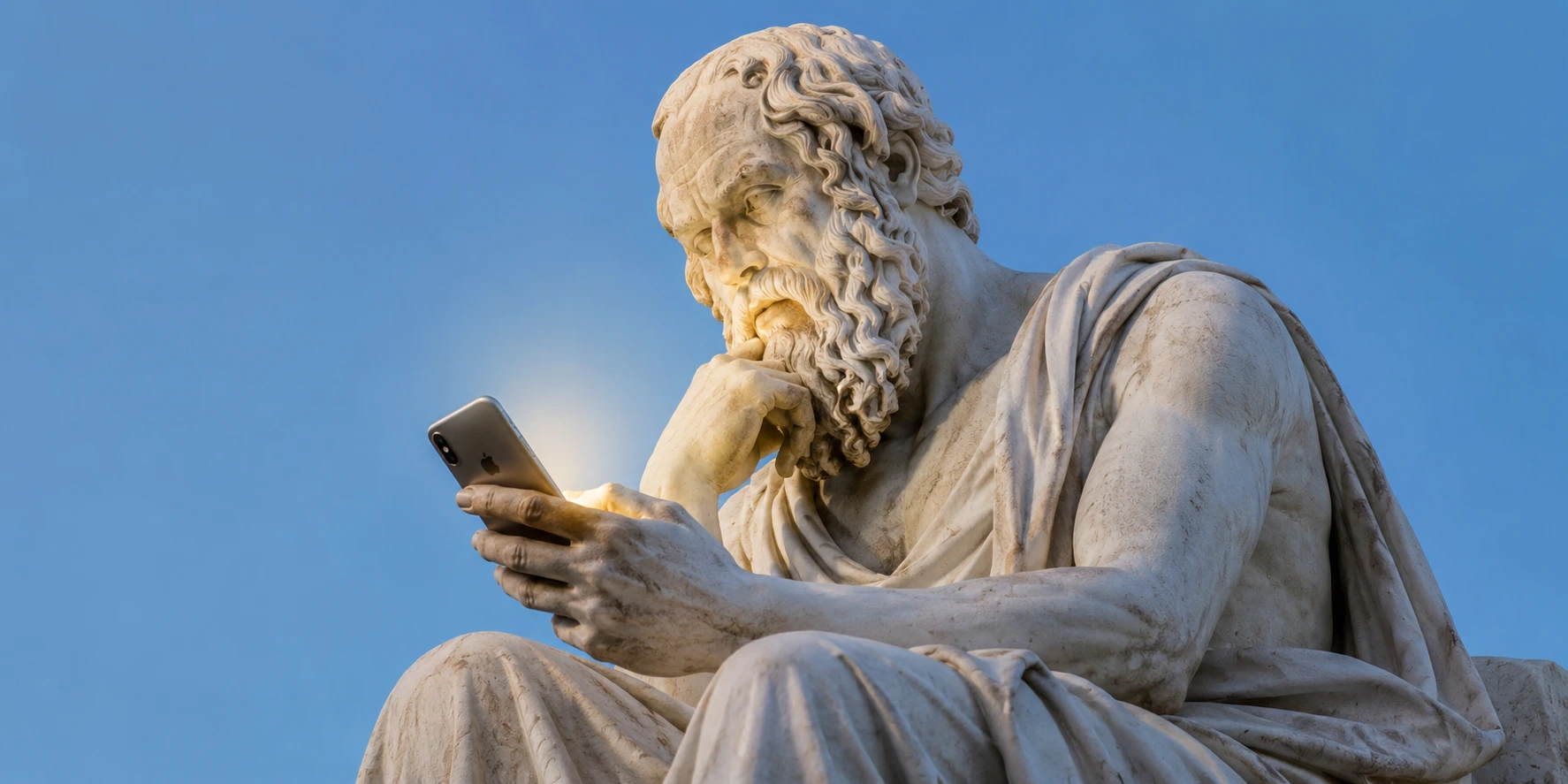
Our current image of courage is shaped less by life itself than by its portrayal. In cinema, courage is the grand entrance: a leap from a cliff, accompanied by thunderous drums and slow motion. On social media, it manifests itself as self-confession with hashtags such as #NoFear or #BeBrave. Courage has become an aesthetic format: easily consumable, emotional, but inconsequential. The term "gratuitous courage," which is frequently used today, sums it up quite well. But when courage becomes a show, it loses its depth.
Our parents' generation understood courage as responsibility—persevering, tackling challenges, and persevering. Today, courage is often confused with breaking new ground: the main thing is to be different, the main thing is to act now. "Do what you feel" sounds liberating, but remains empty if the feeling has no direction.
True courage always has consequences—for ourselves and for others. It does not begin with action, but with awareness. Courage means understanding before changing. It requires less speed than clarity—the ability to pause and comprehend what is at stake.
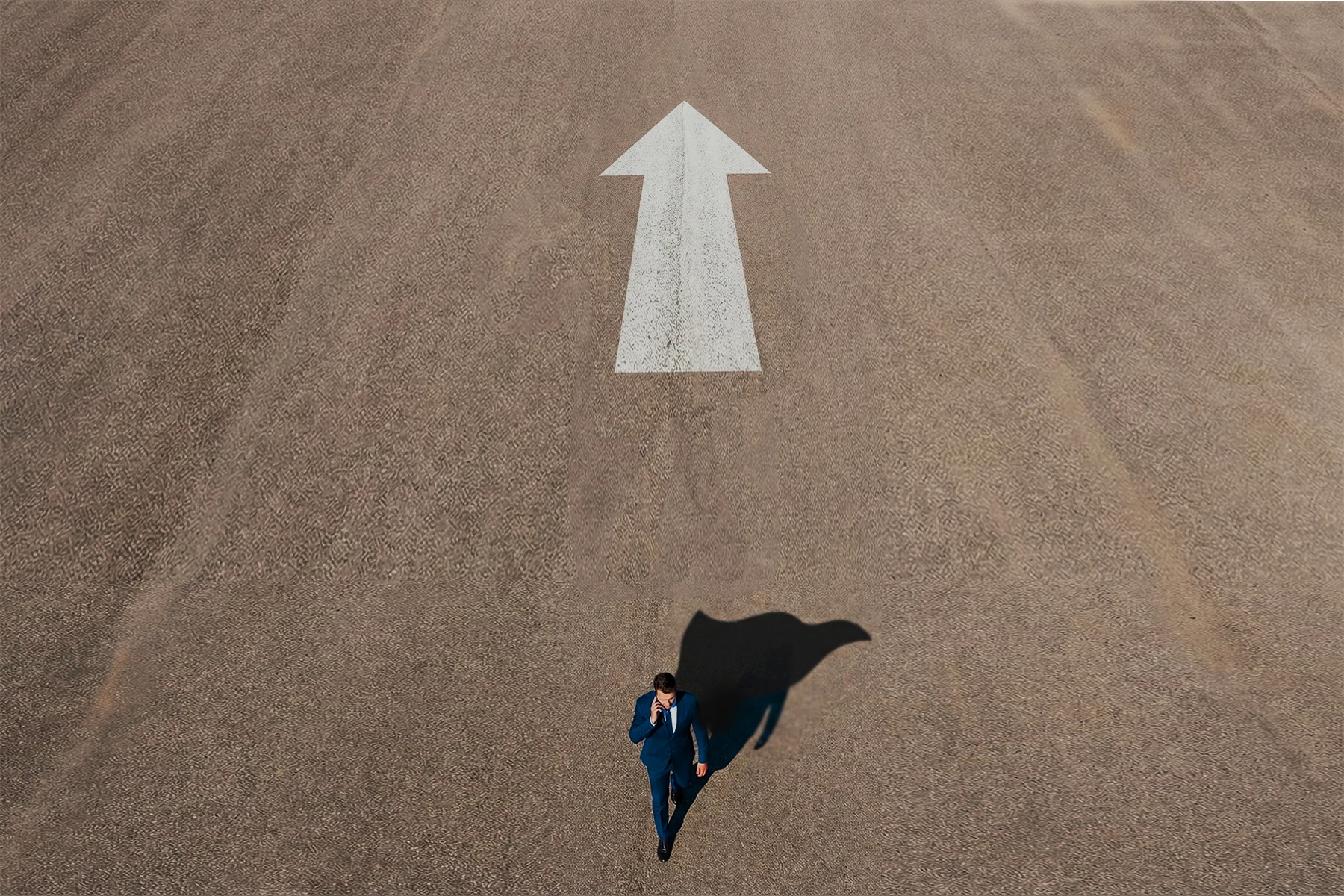
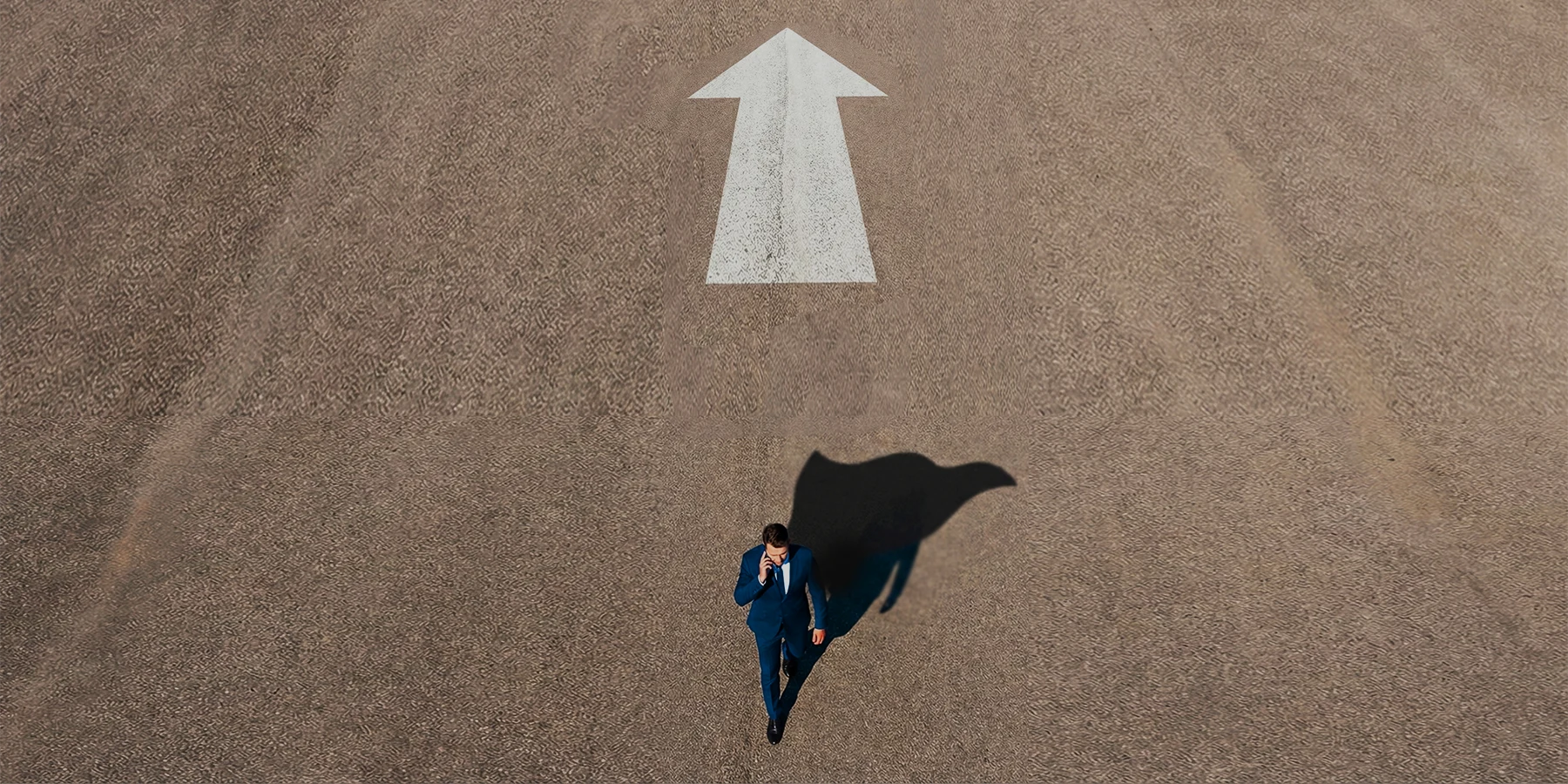
But that is precisely what we find difficult. Many feel that something has to change and confuse speed with determination. They quit their jobs, move, start over—not because they know where they want to go, but because they just want to get away. But courage is not a reflex. It does not begin with escape, but with direction. Before we jump, we should know where we are going—otherwise we confuse change with progress and movement with meaning.
From Samurai to Sisu

Here goes the rich text from the thumbnail on the right
Quiet strength
Courage doesn't have to change the world. It often shows itself in small but uncomfortable moments: when we are honest, apologize, accept help, or say no. Sometimes it's just the decision to stop avoiding ourselves. In a society that confuses loudness with strength, this quiet courage is perhaps the best form of all.
Perhaps we need to rethink courage—away from heroes and toward people. Courage is not a state, but an attitude. And it rarely changes everything at once. But it always changes something—and sometimes that is precisely the beginning of new possibilities.