

















Between people, machines, and one's own opinion.
AI answers our questions before we've even finished thinking them through. We may not realize what we're losing until it's gone.
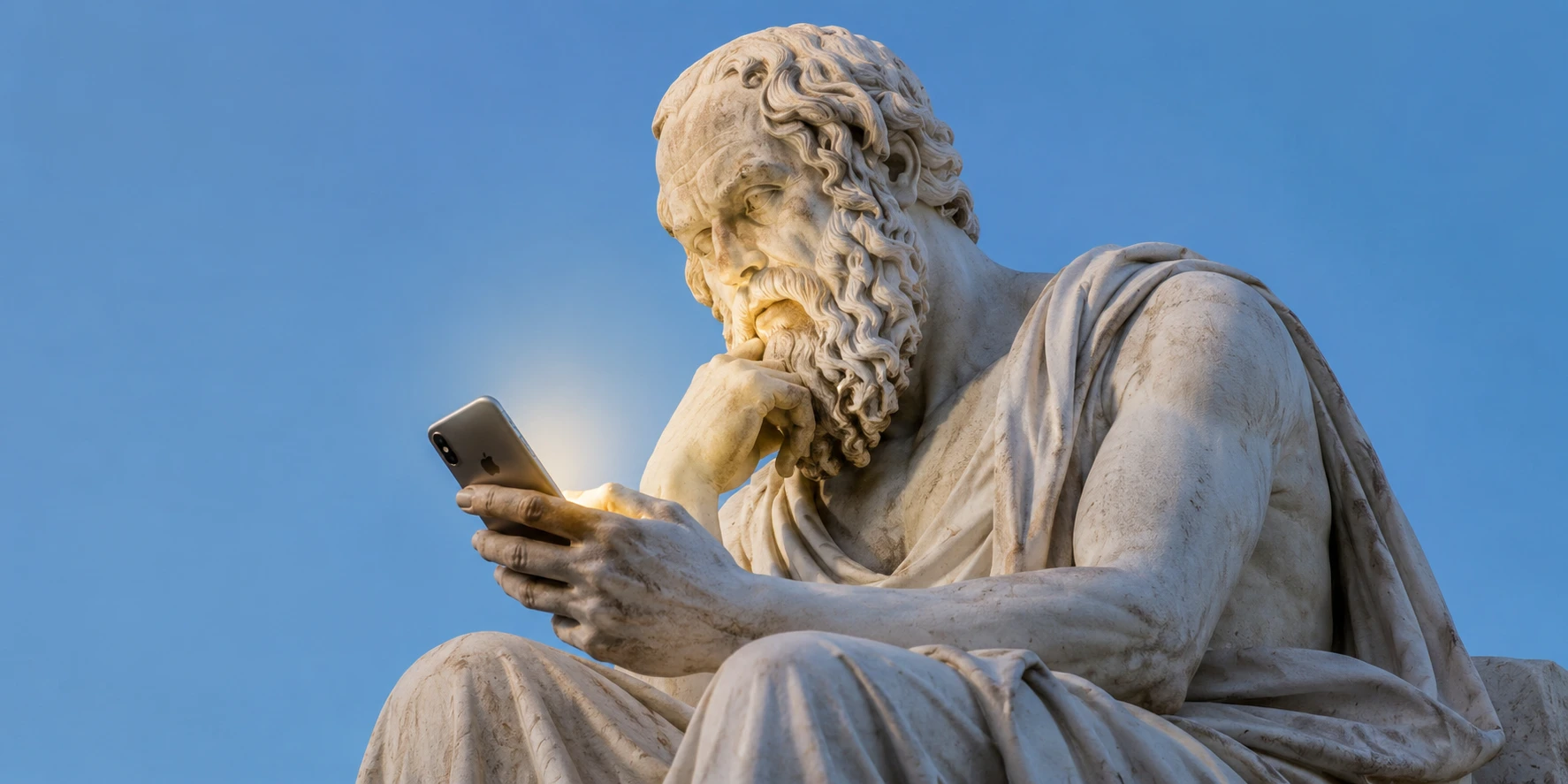
Anyone who works with AI on a regular basis knows the drill: You have a half-formed idea, type it into a text box, and thirty seconds later, a fully formed thought appears on the screen. Well-rounded, plausible, usable. You read it over, change a few words, and call the result your own work.
Seriously?
“Thinking thrives on detours.”
Real thinking is messy
Let's be honest: AI isn't a bad tool. It researches faster than any human, articulates ideas more clearly than most, and can turn a half-baked idea into something finished in seconds. That's its greatest advantage. And its most subtle problem.
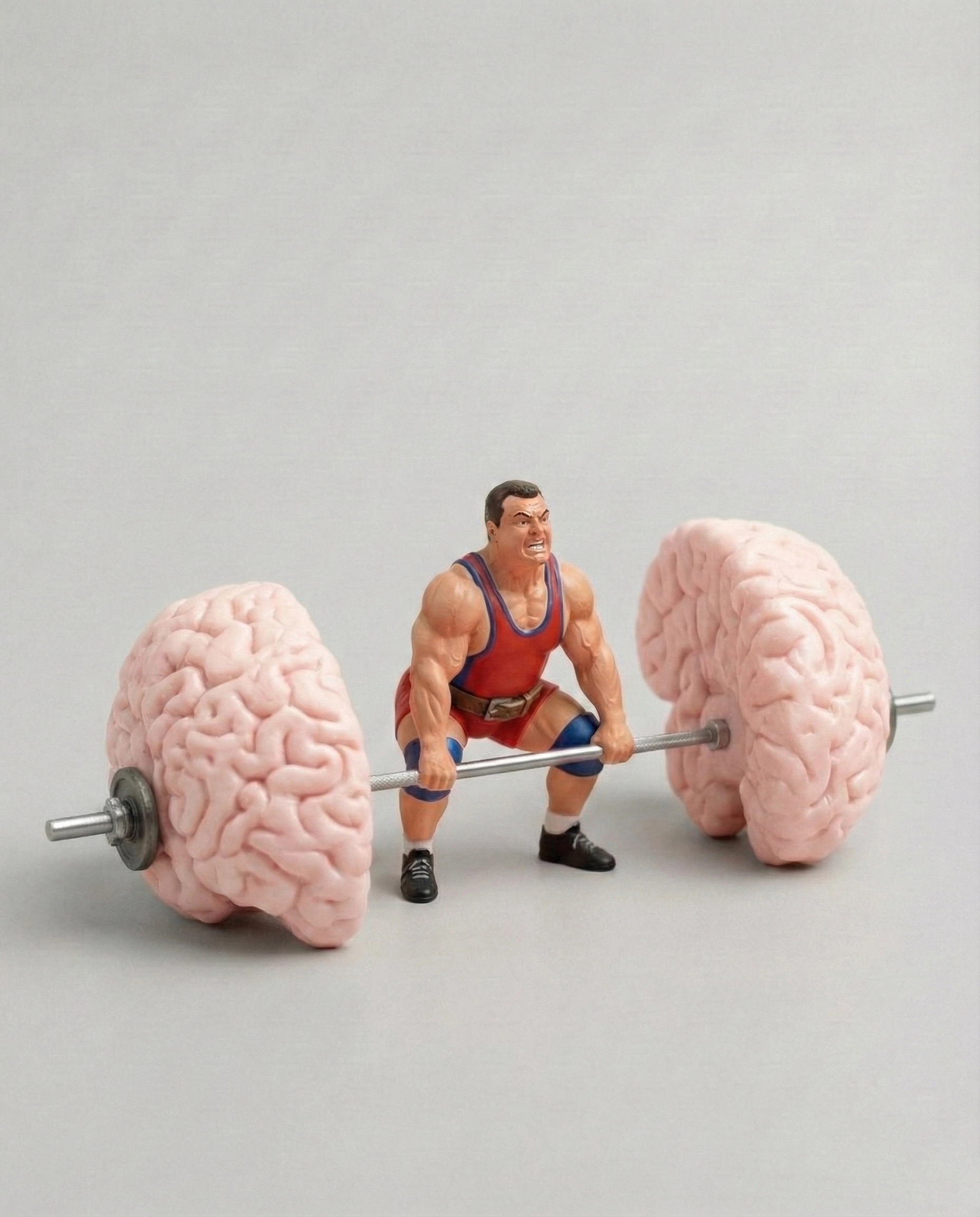
After all, thinking isn’t a linear process that leads from A to B and ultimately produces a neat answer. Thinking is messy. It thrives on detours, on contradictions that haven’t yet been resolved, on that moment when you pause in the middle of a thought and realize: Something isn’t right here. But it is precisely from this friction that something unique emerges. An opinion. An idea that wasn’t there before.
AI bypasses precisely this friction. It optimizes for plausibility, not originality. What it produces sounds well thought out. But it is the result of patterns, not of doubt.
“AI ethics is the awareness that ideas need people who will take responsibility for them.”
We curate other people's thoughts
An unresolved contradiction is uncomfortable. It demands that you stay put, keep thinking, fail, and start over. That’s the only way genuine engagement can arise. This discomfort is not a flaw in the thought process. It is the thought process itself. Those who consistently hand it over to the machine will get answers—but not their own.
And that’s the real problem. Not the bad answer you get. But the good one—the one you don’t doubt. Because it sounds as if you’ve been thinking about it for a long time yourself. Because it’s polished, whereas your own thought was still raw. Because it’s finished, while you were still right in the middle of it.
That’s not how you stop thinking. You stop questioning. You lose the impulse not to simply accept an answer, but to test it against yourself. To ask: Is that really true? For me? In this context? And if it sounds right ten times over but feels wrong, then to keep thinking until you know why.
When everyone uses the same tools and asks the same questions, eventually the same answers will emerge. Formulated in interchangeable terms, produced efficiently, and with no one truly taking responsibility for them.
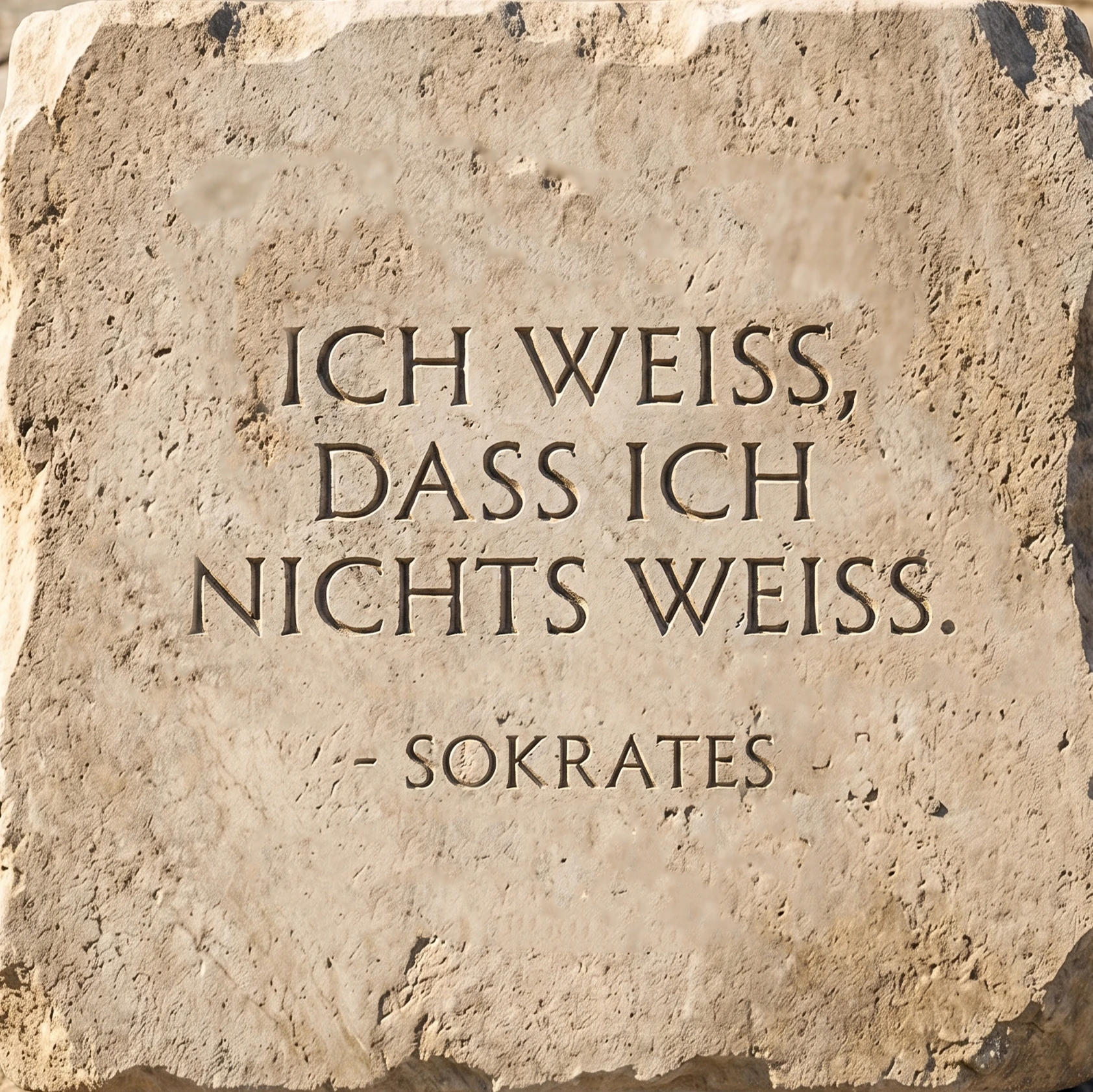
True thinking endures for centuries because it does not aim for quick answers, but for deep insight.
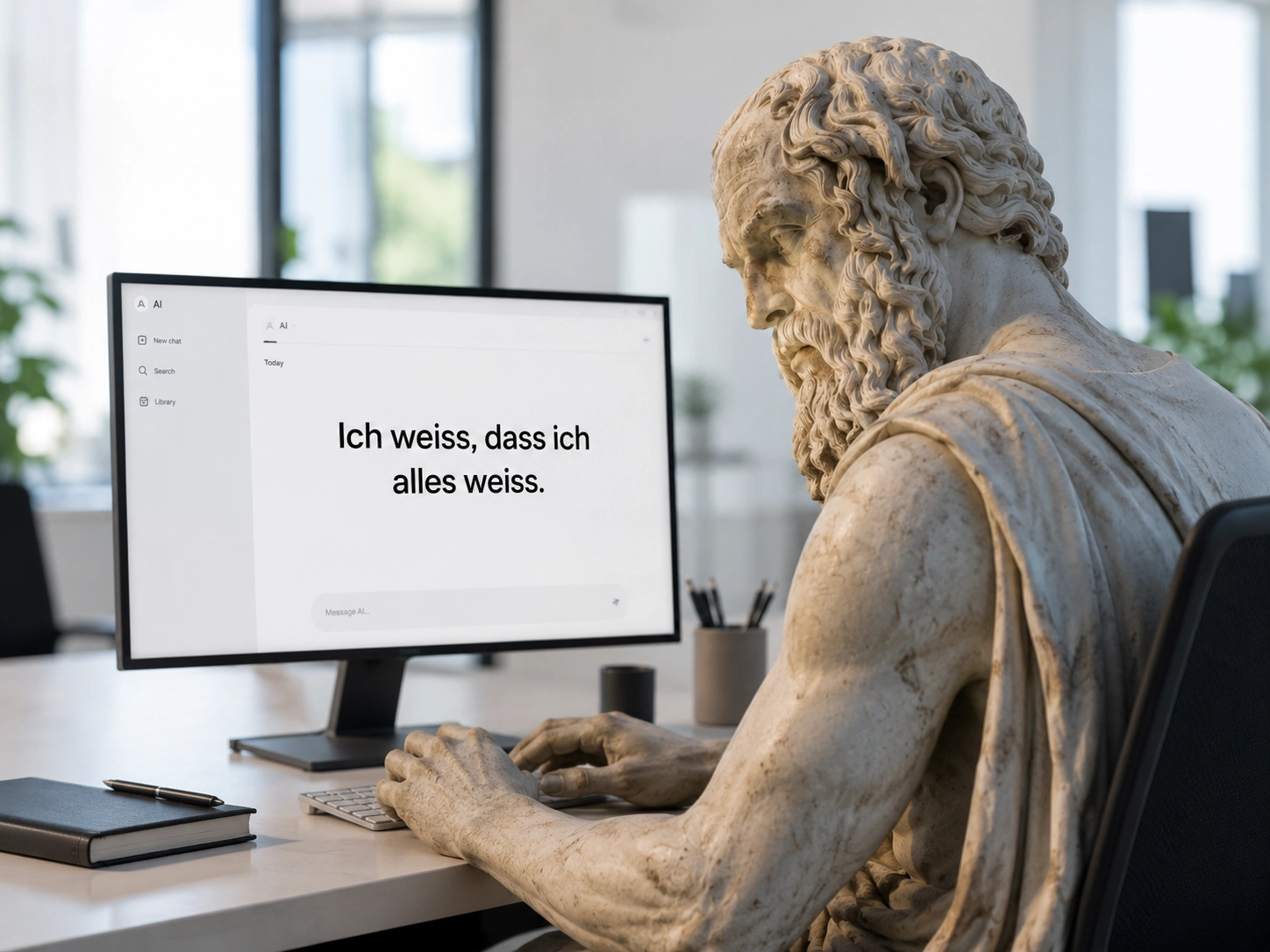
When every answer is just a click away, the questions risk falling silent.
AI ethics must be personal
The debate over AI ethics usually revolves around big questions. Who is liable if an algorithm makes the wrong decision? How do we prevent systems from discriminating? What data can be used? These are all important questions. And yet they overlook the moment when personal ethics begins: the individual’s own decision about when to think for oneself and when not to.
Ethics is not just a matter of regulation. It is a mindset. It is the willingness not to outsource every decision simply because it is possible. It is the awareness that ideas need people who will take responsibility for them—not an algorithm that calculates probabilities.
An AI system can evaluate a job application, suggest a diagnosis, or formulate a strategy. But it doesn't face any consequences. It doesn't know the person in question. It doesn't have doubts.
But it is precisely this doubt—that brief pause before making a decision, the question of whether it’s really the right thing to do, the last-minute change of heart—that sets us apart from machines. Not speed. Not capacity. But conscience.
"No one who stands by their ideas is replaceable."
Finding balance before things tip over
The balance between humans and machines is not purely a technical question. It is a personal one. It starts with being honest with yourself: When do I use AI because it truly helps me? And when do I use it because thinking for myself is just too much effort right now? Both are human. But only one of them leads anywhere.
There’s hardly anything more satisfying than a thought that’s your own. An opinion you can defend because you’ve fought your way through it yourself. An idea that surprises someone because it doesn’t sound like something others would have said.
Because no one who stands by their ideas becomes replaceable. The problem isn't the answers that AI provides. It's the questions we eventually stop asking because the answer is already there before the thought is even finished.
And along with the questions, the best thing you have also quietly disappears: your own opinion.