

















From Juggling to Targeted Throwing
Reading time: 6 min
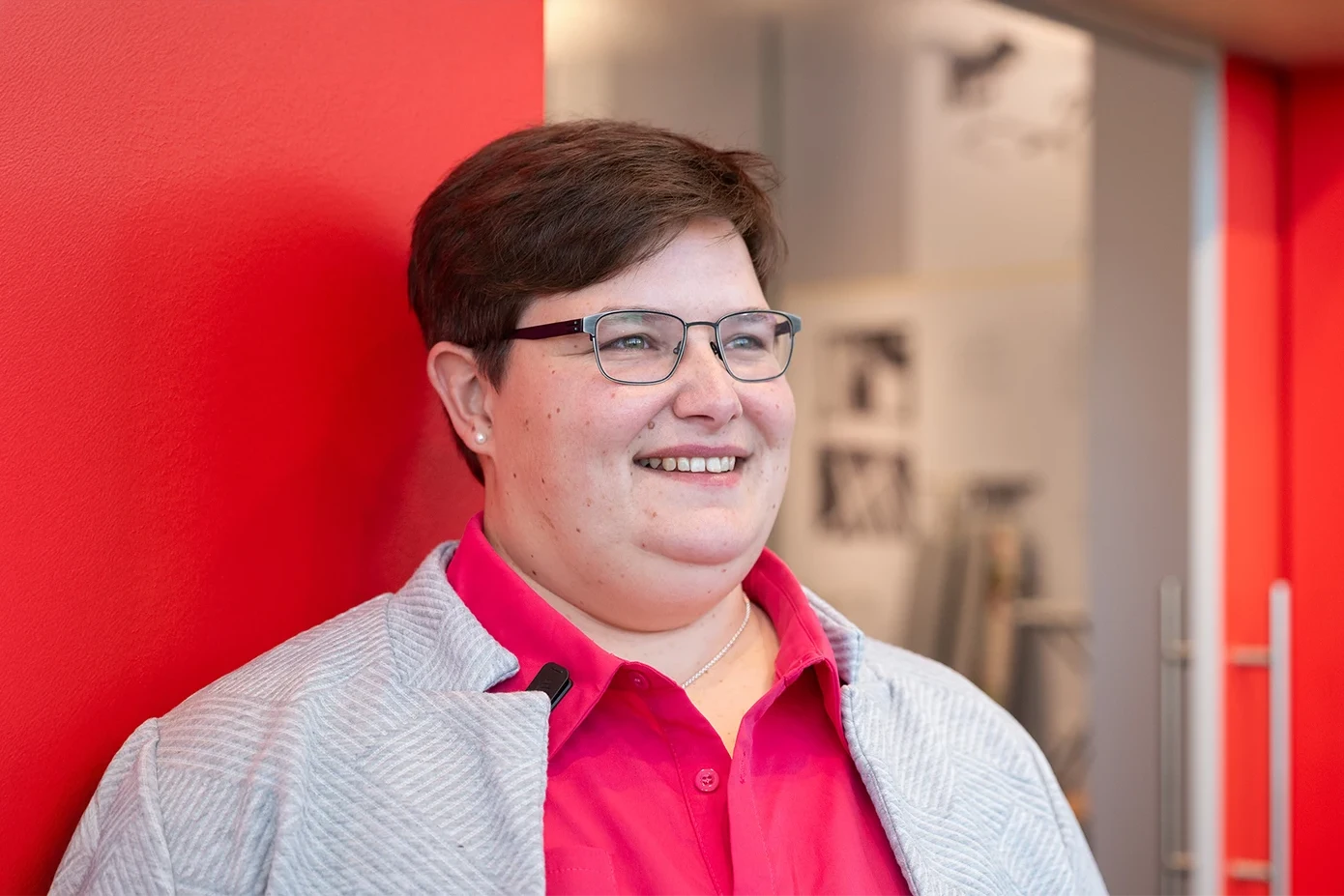
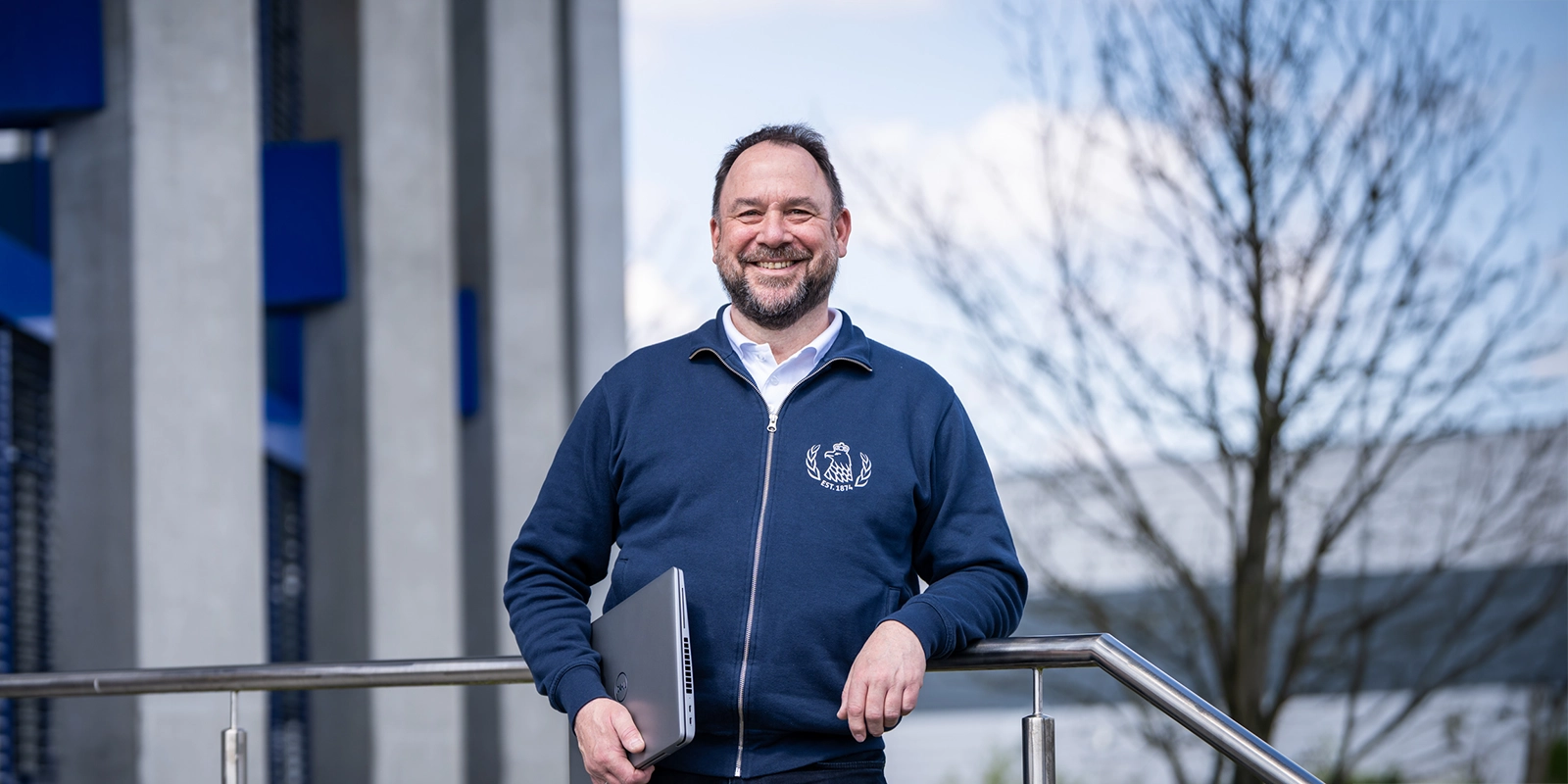
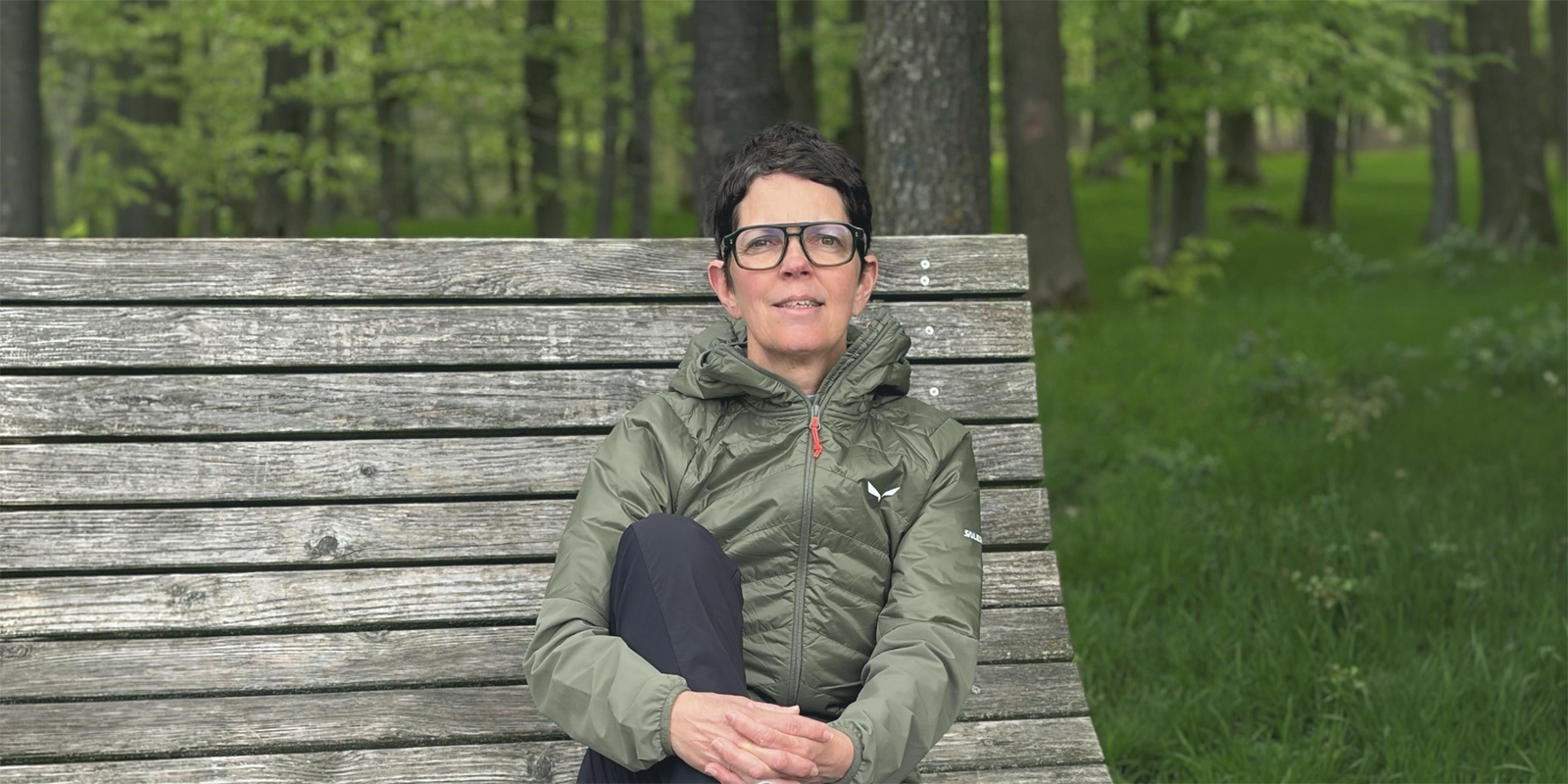
Every day, Andrea Klippel juggles requests, communication channels, and quick decisions. In training in Chaos” training , she learned how to work with greater focus and unwind more calmly.
"My husband says, 'You're much more relaxed now.'"
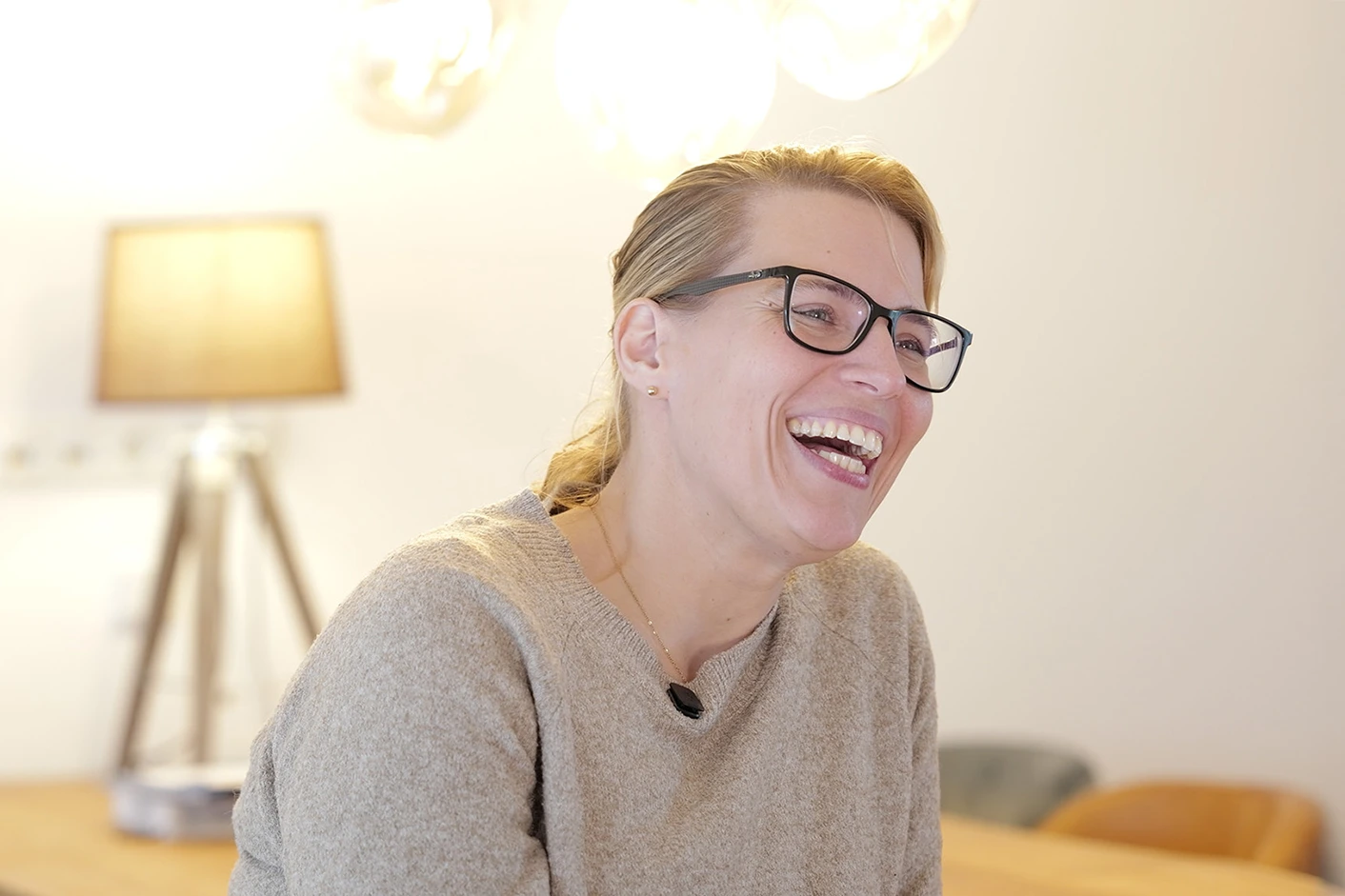
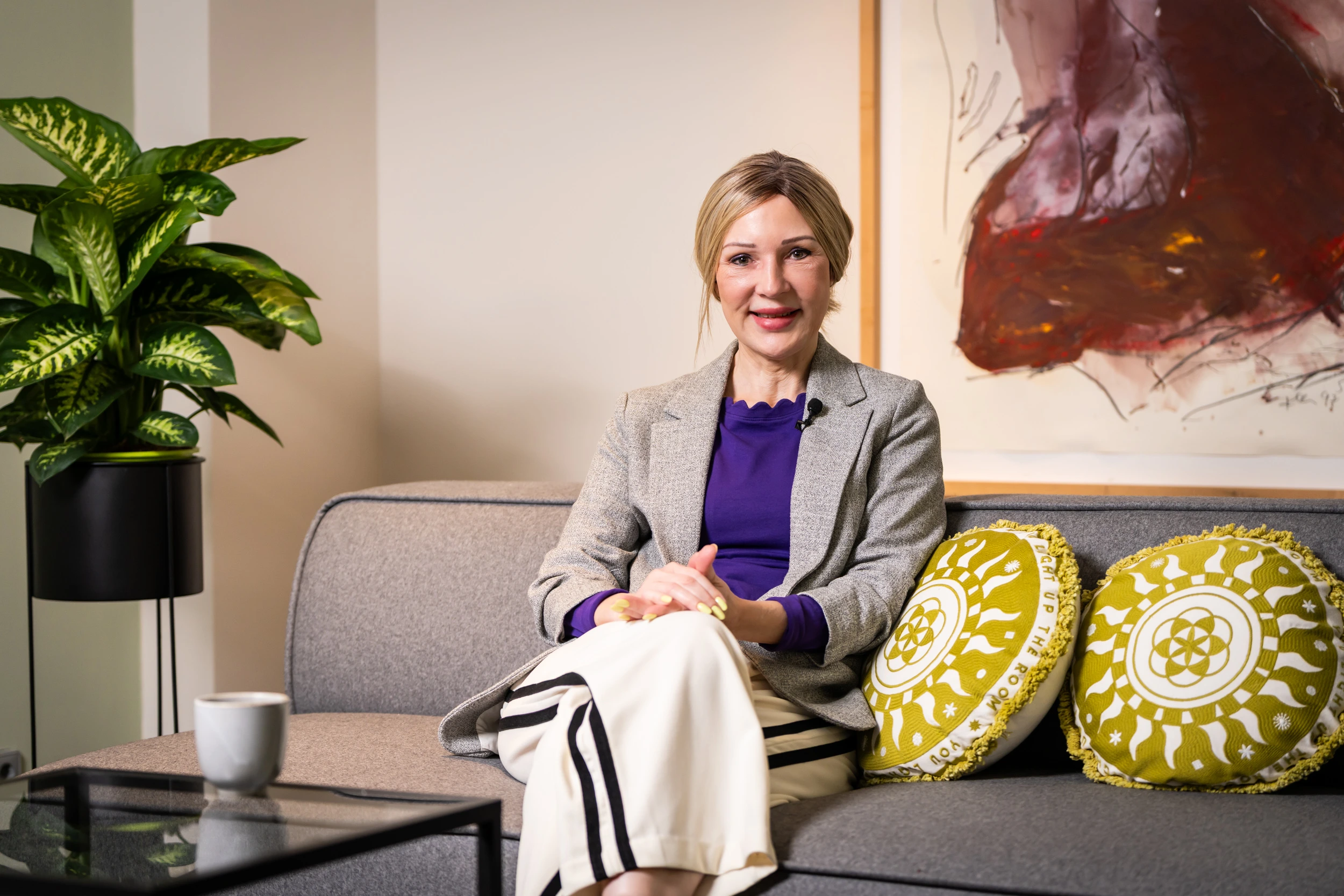
TA Europe stands for Technical Advisors. Just explaining this industry alone is pure stress. Cost managers, architects, and building physicists work in interdisciplinary teams to determine everything needed to assess the value and technical condition of real estate—for example, for transactions. Andrea Klippel is the office manager there and oversees 90 project managers. She tells us why she took Haufe Akademie ’straining in Chaos.”
Andrea, please tell us a little about your responsibilities.
I have a wide-ranging liaison role. I work in an agile, hybrid, and remote capacity. Agile means I receive requests from all kinds of teams, which I handle digitally. Hybrid means I also work from home. And remote means I’m in the open-plan office, where I’m available in person. I’m contacted by phone, via Teams calls, and by email—that’s about five different channels. It feels a bit like playing tennis—like a “doubles match,” except I’m standing alone on the other side.
That sounds like a full-time job...
Yes, that’s definitely a real challenge. Sometimes even on the weekend. That’s when you hear that typical cell phone sound signaling a new message. For example, a flight has been canceled. A sudden strike or train delay—an ad hoc rebooking has to be made. We do have a booking system, but we still have to react immediately. I sometimes compare it to being a mother of four children. It could even be six...

"It feels like I'm playing tennis. Like a 'doubles match,' except I'm standing all by myself on the other side."
Andrea Klippel
Is that why you decided to take the training in Chaos” training ?
We’re growing very quickly. As a result, the challenges are becoming increasingly complex. That’s a stress signal for the brain. I had to juggle more and more. More and more balls were being thrown my way. I felt like my work performance wasn’t as good as I’d like it to be. I’d also like to be more personable in how I handle things.
What were you training to get out of the training ?
My goal was to discover ways to get my thoughts in order and stay focused—and to take time here and there to recharge and relax—so that I could get through the day well, in the way I’d like to.


Do you have any examples of how you training this in the training ?
Among other things, there was a wonderful method I learned: that you can do something in a completely unconventional way. For example, going through a sequence of numbers backward. Or spelling words backward. The effect is tremendous because it helps you mentally escape a stressful situation very quickly. Another great exercise is a relaxation technique you can do whenever you have a moment. You lean back, relax, and say: “Sharim, Sharim, Sharim, Sharim, Sharim.” This might seem funny to your coworkers, but it’s actually incredibly relaxing. We were also taught prioritization techniques: focusing, recharging, relaxing, working in focused bursts, not letting yourself get distracted, and simply not judging things for a change. And of course, one thing you shouldn’t forget with all of this: “Drink plenty of fluids!”
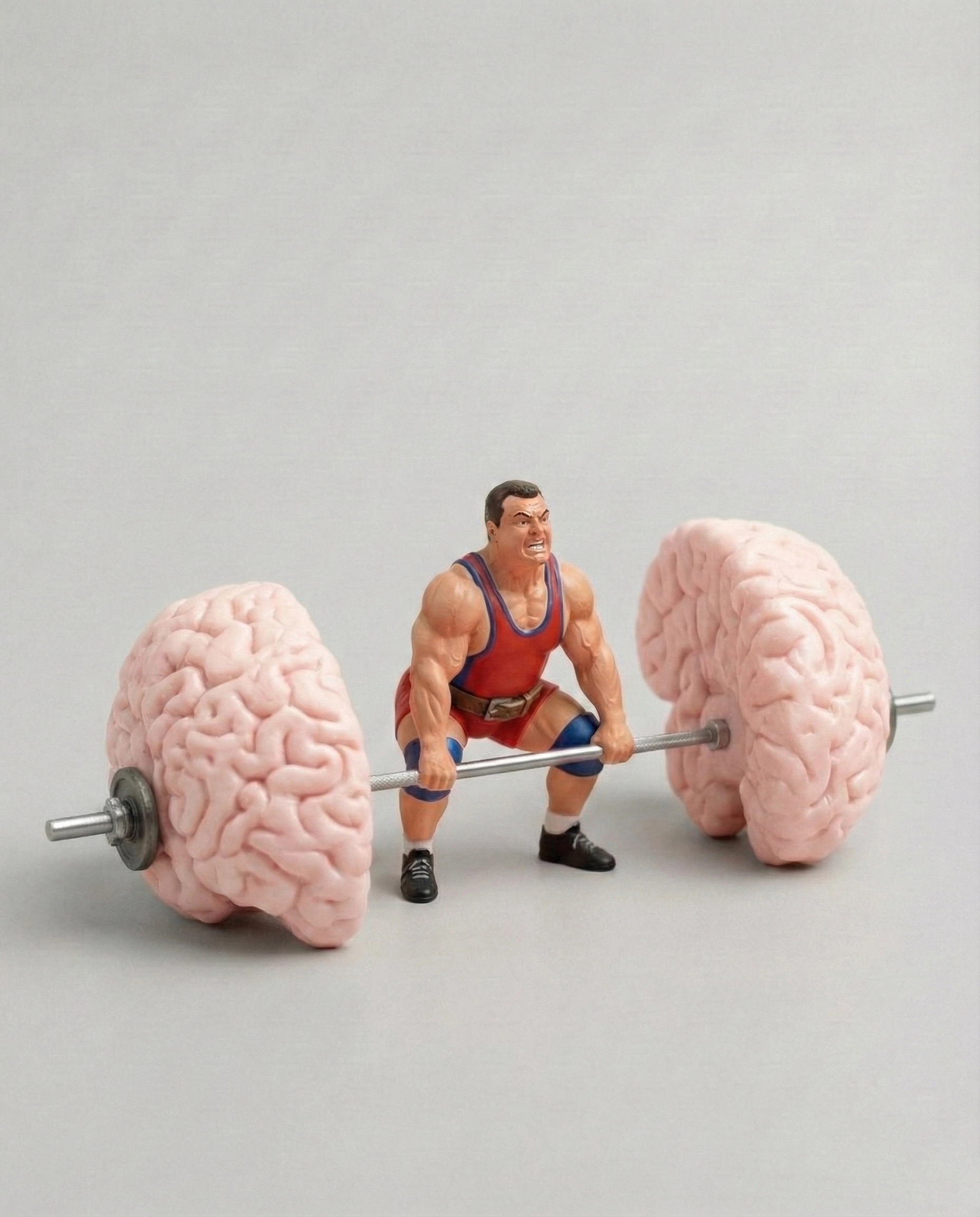
"I'll throw the ball better now—more accurately to the other person, who can catch it and keep working with it."
Andrea Klippel
And after the training? What did you take away from it that you can apply to your everyday life?
In short: I work more efficiently and with more energy. My error rate is now significantly lower. My colleagues have noticed this. I can work more efficiently as part of a team. I now pass the ball better—more accurately—to the person who catches it and can take it from there.
It’s also had a positive impact on my personal life. My husband said, “You seem more at ease now. You’re much more relaxed. You’re better at unwinding.” Those are wonderful moments.
Thinking Clearly Amid the Constant Barrage of Digital Information
When emails, calls, Teams messages, and spontaneous requests all come in at once, staying focused quickly becomes a challenge. The“Focused in the Chaos” training shows you how to think clearly, set priorities, defuse stressors, and bring more calm back into your workday using simple techniques—even in the face of constant distractions.
More Balance
Balance has many facets—in thinking, working, leading, and living. Here you’ll find more inspiring articles from the current issue.



Do you have an exciting story to tell?
If continuing education has helped you take a step "FURTHER," we'd love to hear about it. Submit your success story—and with a little luck, we'll share it together in an interview.

