
























Diamonds are formed under pressure
Stress has a bad reputation. Unfairly so. The real question isn't how to get rid of this pressure, but how to use it effectively.

There are moments when you can feel that everything is riding on it. Before an important presentation. Before a crucial meeting. When a project is hanging in the balance and everyone is looking to you. In those moments, you’re more alert than usual. Clearer. More focused.
You think faster, make more precise decisions, and give more. That's no coincidence. That's stress. And that's exactly what you need right now.
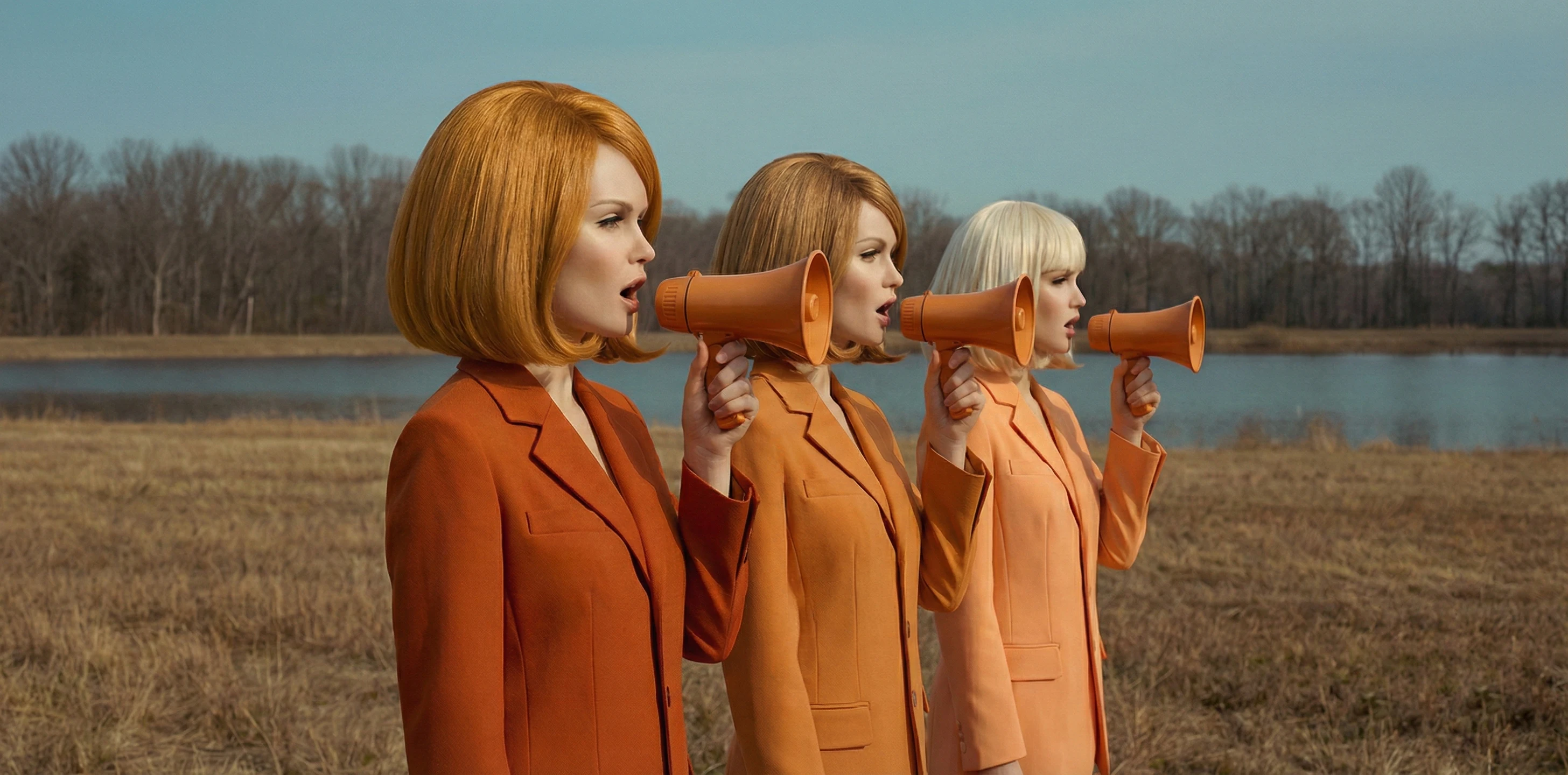
"Biology doesn't distinguish between a threatening situation and an exciting one."
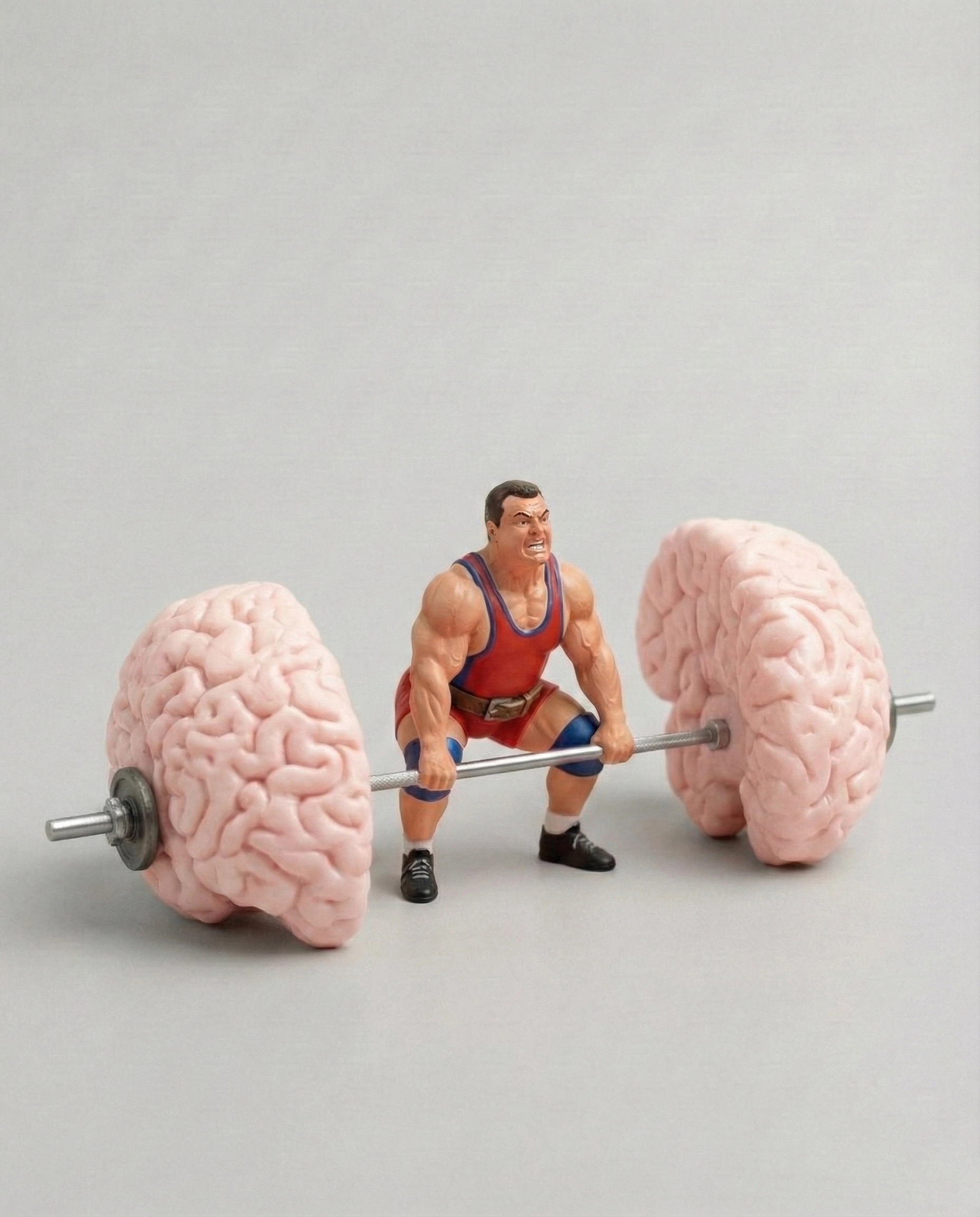
“Not being challenged enough makes you sluggish; being overwhelmed makes you sick.”
One Body, Two Types of Stress
In the 1930s, the Hungarian-Canadian physician Hans Selye was the first to make a distinction that still holds true today: Stress has two dimensions. There is distress, which overwhelms us and makes us sick, and eustress, which challenges and motivates us. The Greek “eu” stands for “good,” as in euphoria. Positive stress.
At first glance, the difference between the two is astonishing: Physiologically, the same things happen in the body—adrenaline, cortisol, a racing heart, and faster breathing. Biology makes no distinction between a threatening situation and an exciting one.
What makes the difference is how we categorize things. It’s a question the brain answers in a fraction of a second: Am I up to the task in this situation? Or is it too much for me?
Those who answer "yes" to the first question experience energy and focus—a state in which they rise above themselves. Those who prefer the second option experience fear, paralysis, and withdrawal.
Stress as an Opportunity
They try to reduce stress instead of managing it.
In 1908, psychologists Robert Yerkes and John Dodson described what many people intuitively know but rarely consciously apply: performance and arousal follow an inverted U-curve. Too little pressure, and you don’t reach your full potential. Too much, and your brain shuts down. Somewhere in between lies the sweet spot—the point at which tension becomes productive.
Underchallenge leads to complacency; overchallenge leads to burnout. The zone in between is where ideas are born and people rise above themselves. And yet, many companies do exactly the wrong thing.

What Leaders Can Learn From This
Positive Stress
Positive stress arises when a task is challenging but not overwhelming. It happens when people feel they can make a difference and grow through a challenge. That’s when pressure turns into energy, focus, and motivation.
Negative Stress
Negative stress arises when there is a lack of direction and demands consistently seem to exceed one’s own capabilities. Those who are constantly under pressure, without any sense of control or opportunity for rest, lose energy, clarity, and motivation.
The Golden Mean
Good leadership strikes exactly the right balance between these elements: clear goals, honest feedback, and challenges that push people without overwhelming them. That’s where the zone emerges in which people can learn, grow, and surpass their own limits.