
















Stress starts in the mind. So does resilience.
Reading time: 6 min
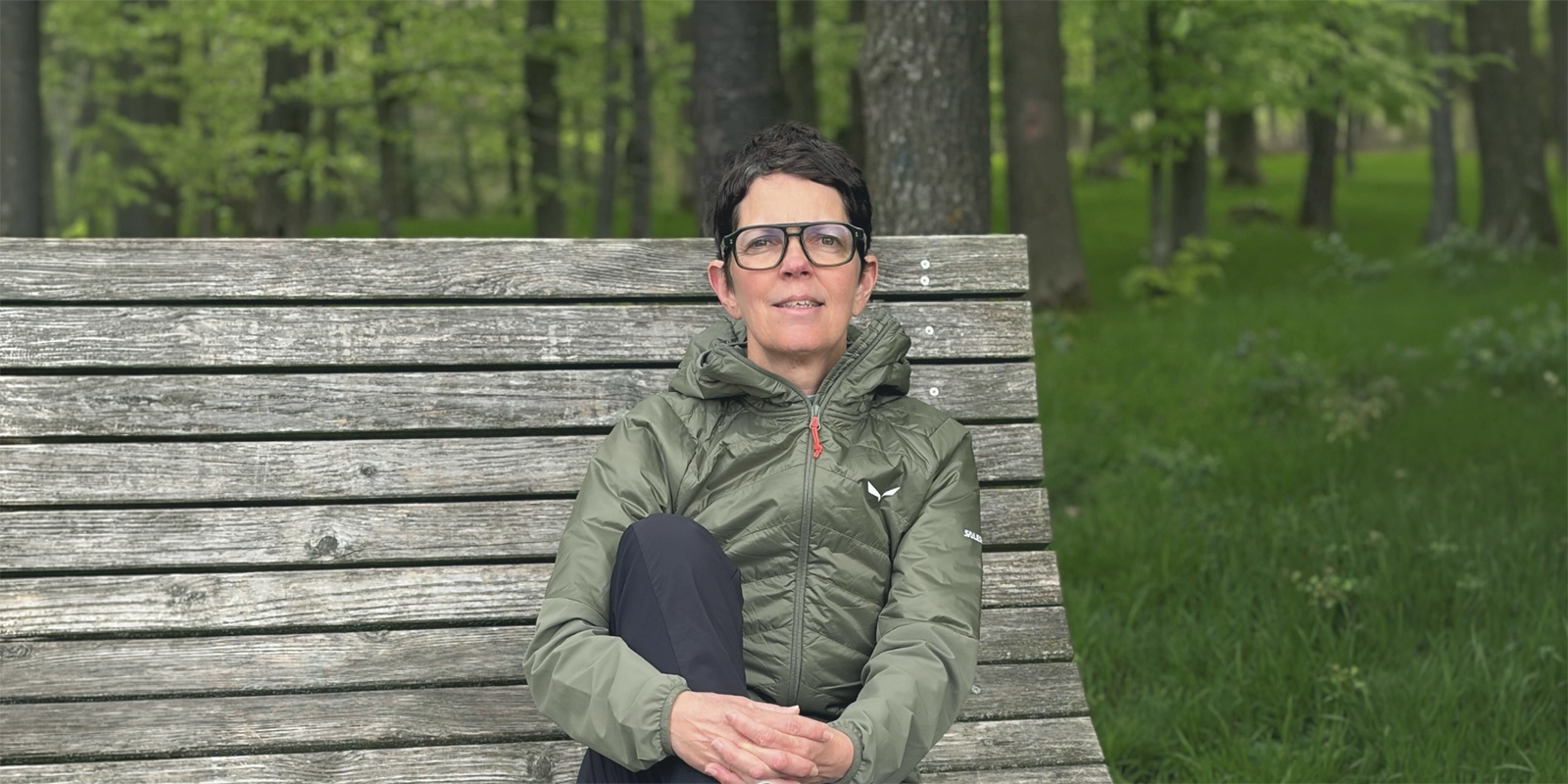
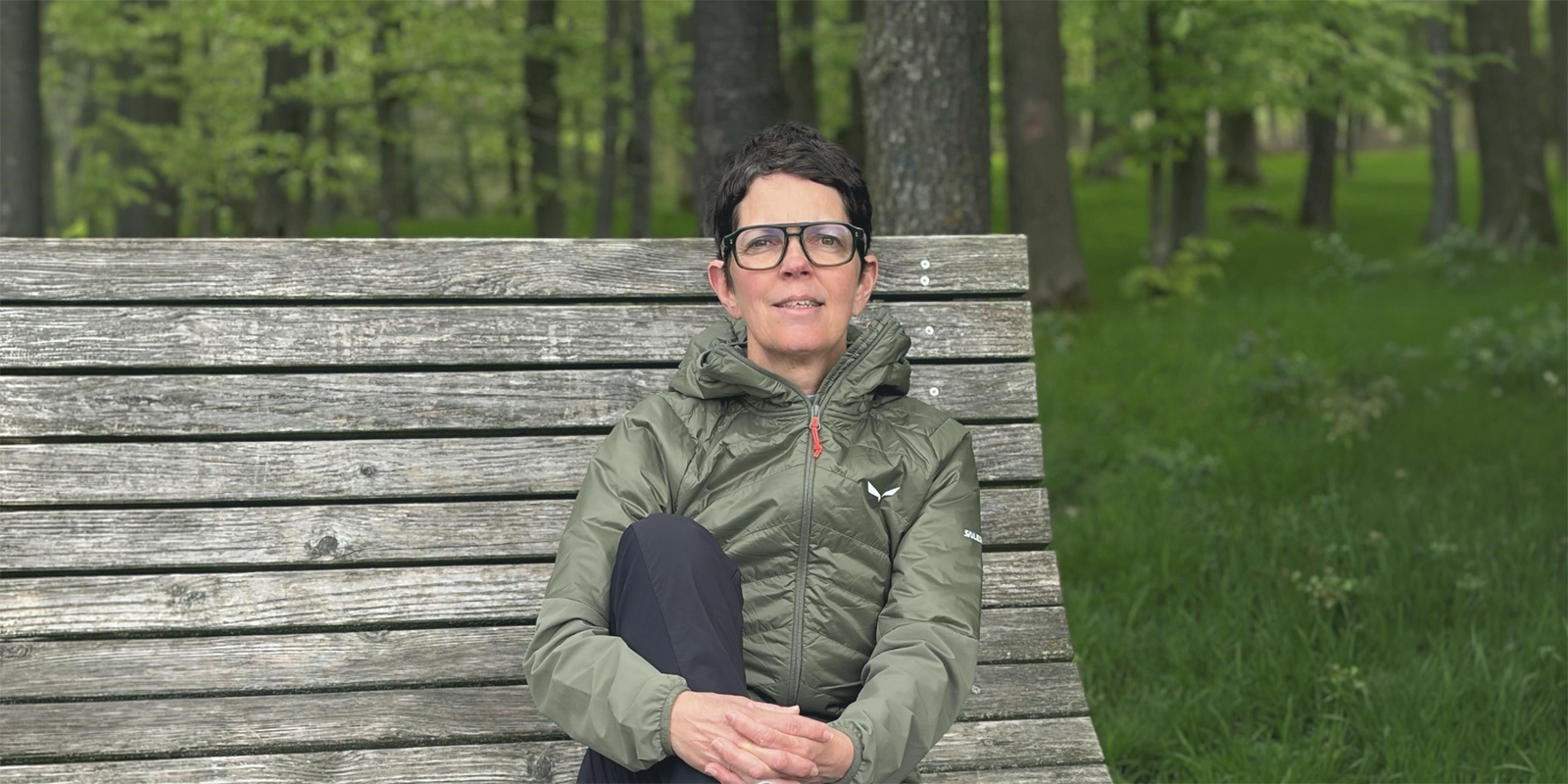
Coach Anja Helm explains how taking a moment to pause, self-reflection, and small routines can help you manage stress in a healthier way and become more resilient.
"We have more control over how we deal with stress than many people realize."
An Interview with Expert Anja Helm
Anja, you’re a trainer and coach specializing in resilience, communication, conflict resolution, and leadership. Who attends your workshops? What are their hopes and expectations?
The participants are as diverse as the topics we work on—ranging from people just starting their careers to experienced professionals and leaders, they come together from a wide variety of industries. Each person arrives with individual goals, behind which lie expectations—and, as you say, hopes. Probably the most important expectation is: “This has to really benefit me!” So, no theory for theory’s sake, but concrete approaches that work in everyday life—combined with an open exchange of experiences. My job is to create an atmosphere right from the start that facilitates this trusting exchange. Building on that, we work together to develop strategies that fit each specific situation and can be easily integrated into everyday life.

We all know that constant stress, frequent interruptions, and time pressure can lead to a loss of energy and dissatisfaction. They can actually make you sick. How can we avoid these stress triggers or cope with them in a healthy way?
When it comes to dealing with stress, we have more control than many people realize. We can start by changing our mindset, actively engage our bodies—for example, through breathing or exercise—and consciously shape our behavior in everyday life.
Please tell us a little more about that. Isn't the first step in that process self-reflection?
Self-reflection is indeed an important foundation of self-leadership. At the same time, change often begins one step earlier—namely, with a conscious pause, a moment to stop and think. In everyday life, we often react very automatically and are quick to judge situations or even other people. The first step, therefore, is simply to create a moment in which we step out of this automatic mode.
At this moment, we shift from judgment to observation: What is actually happening here right now—and what is happening within me?
Only on this basis is true self-reflection possible. And it is precisely from this that the possibility arises to consciously feel, think, and act differently. The prerequisite: thoughtful questions, such as, “Is what I’m thinking true?”
"Attitude gives me strength: Everything that happens is for me and helps me move forward!"
One of your methods is improvisational theater. You'll have to explain that to us in more detail.
In improvisational theater, nothing is predetermined—there’s no script and no director. The participants react to one another, pick up on ideas, and work together to develop a scene. So it’s less about acting in the traditional sense and more about being spontaneous, listening, and creating something together. And these are precisely the skills that are in demand in everyday professional life—for example, when it comes to reacting flexibly to situations, staying in communication, and developing solutions together.
Participants benefit from key principles such as the “Yes, And” principle—accepting a situation and building on it rather than blocking it—and the principle of “error tolerance,” because mistakes aren’t a problem but often the beginning of something new. Then there’s “interaction and co-creation.” Success is achieved together. And, of course, the principle of “being present in the moment” and the genuine listening that goes hand in hand with it. Overall, all these principles contribute to the seven resilience competencies. In the workshop, I offer exercises such as “Kill Your Darling” (storytelling), “mirroring,” and “status change.”
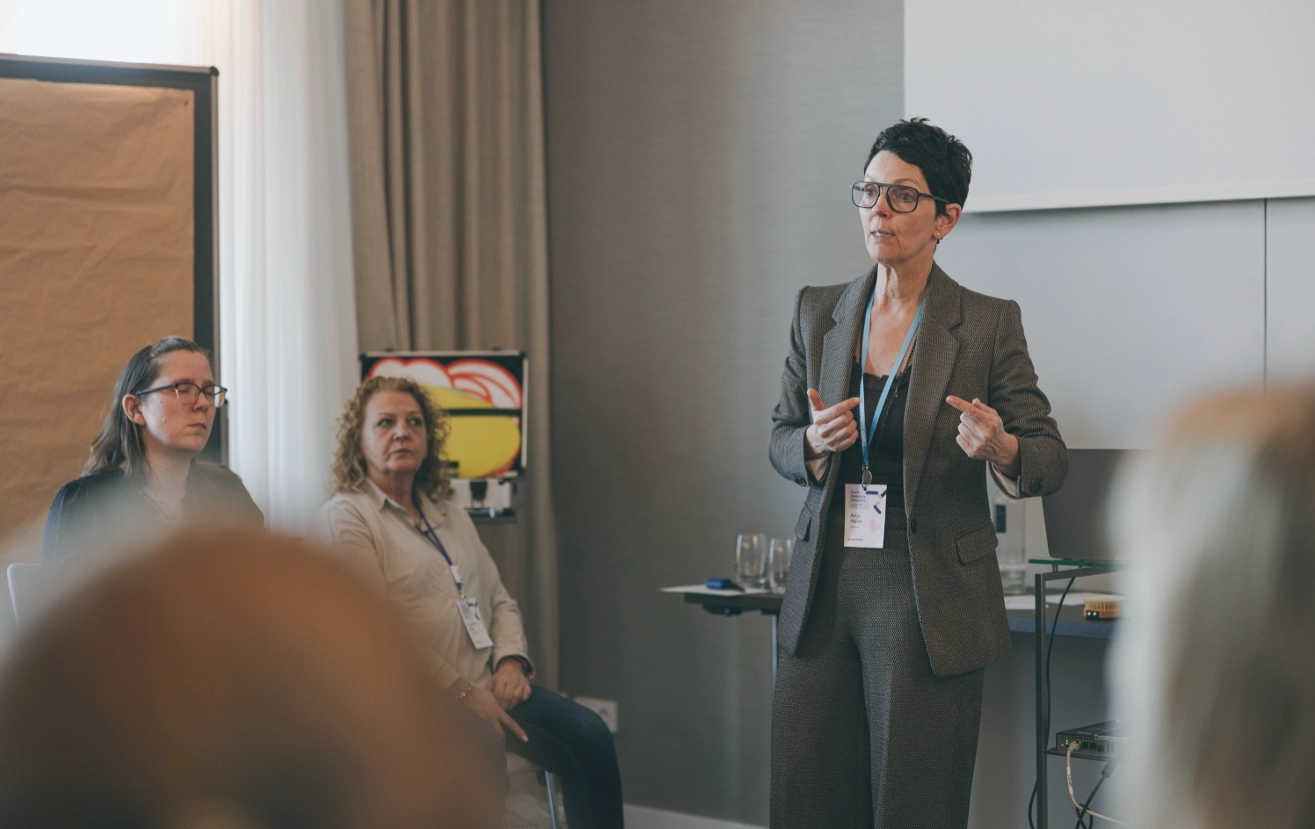
"Power Through a Break!"
Please tell us how leaders can build their mental resilience.
Attitude provides stability: Everything that happens is for my benefit and helps me move forward! Mental resilience can be strengthened in three specific areas: adaptability to change, self-efficacy, and self-care.
In other words: Accept things as they are—“Challenge accepted.” Beyond that, consciously question routines in everyday life and experience your own effectiveness through small, concrete steps by asking yourself, “What difference did my actions make today?”—while also taking good care of your own energy—for example, by setting clear boundaries and, especially, by taking microbreaks and getting enough sleep. Power through breaks!
It’s precisely these seemingly simple strategies—such as conscious straw breathing or regular exercise—that we can easily incorporate into our daily lives. That’s exactly where my training comes in: We apply these “simple” steps to specific everyday situations and help participants experience the actual impact they have.
That's how insight becomes a new routine
Current Situation Analysis
We’ll start with an assessment of the current situation: Where do the participants stand right now? What challenges, distractions, and time-wasters are they facing? And what patterns keep recurring in their daily lives?
Managing Energy Consciously
Building on this, the focus is on practical strategies for improving performance. The most important approach: working more mindfully within energy cycles, rather than simply trying to do more. Phases of intense focus are used strategically, and breaks and recovery are consistently factored into the schedule.
Applying It to Everyday Life
To ensure that insights don’t just remain ideas discussed in training, participants work with specific “if-then” plans: If I find myself in a stressful situation, then I pause briefly and consciously refocus on my goal. In this way, insight becomes a routine of action.
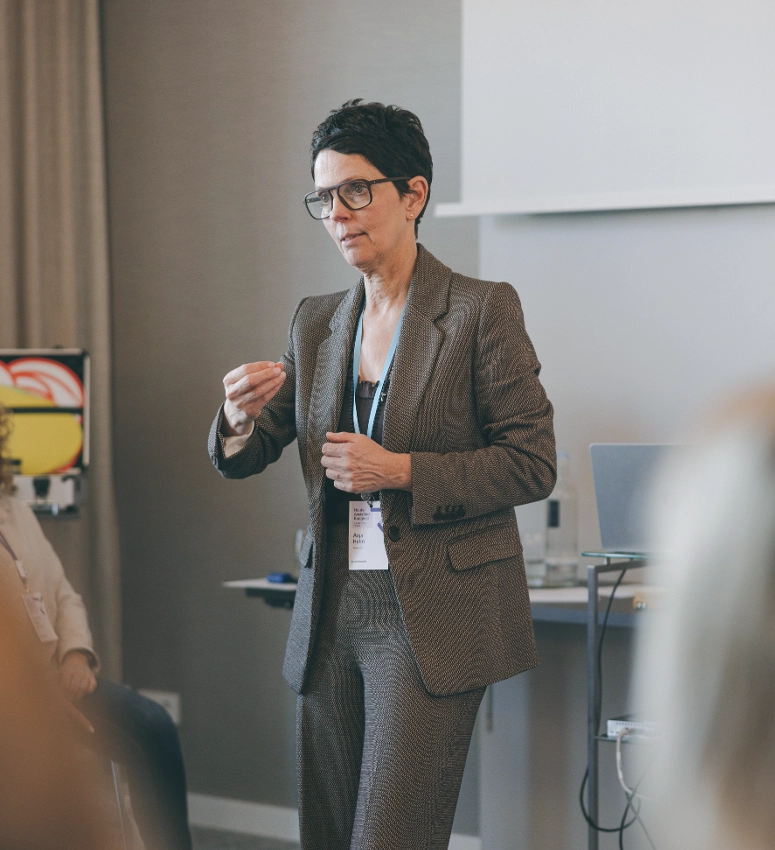
More Balance
Balance has many facets—in thinking, working, leading, and living. Here you’ll find more inspiring articles from the current issue.



Do you have an exciting story to tell?
If continuing education has helped you take a step "FURTHER," we'd love to hear about it. Submit your success story—and with a little luck, we'll share it together in an interview.

