





















“I decide what to get upset about.”
Reading time: 6 min
Sarah Louise Schwehn works in an environment where pressure, blunt language, and unexpected problems are part of the job. In this interview, she explains how she has learned to deal with stress more mindfully—and why she now feels calmer, more clear-headed, and even falls asleep more easily.
"I'm just going to avoid that 'troublemaker' from now on."
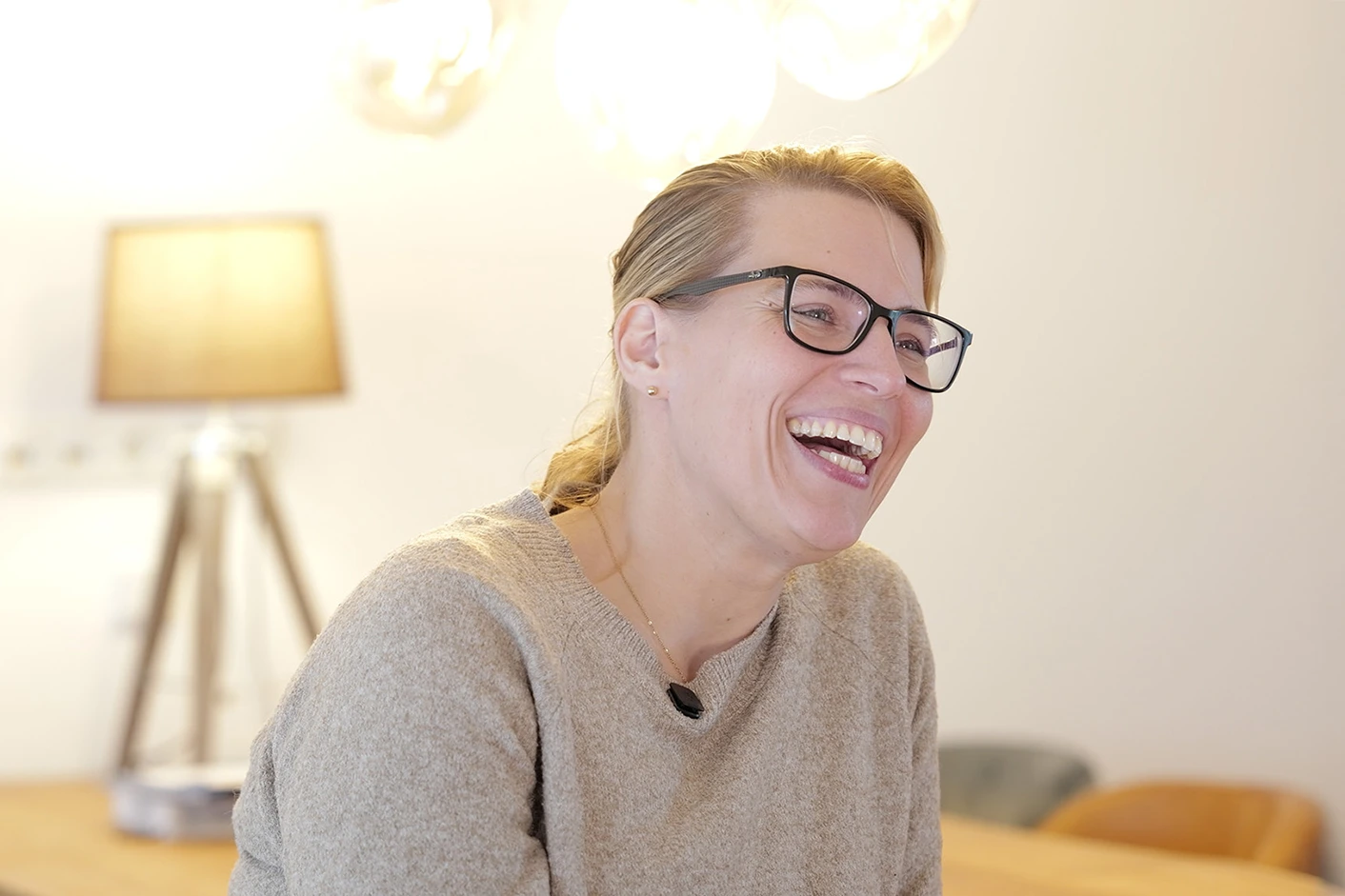
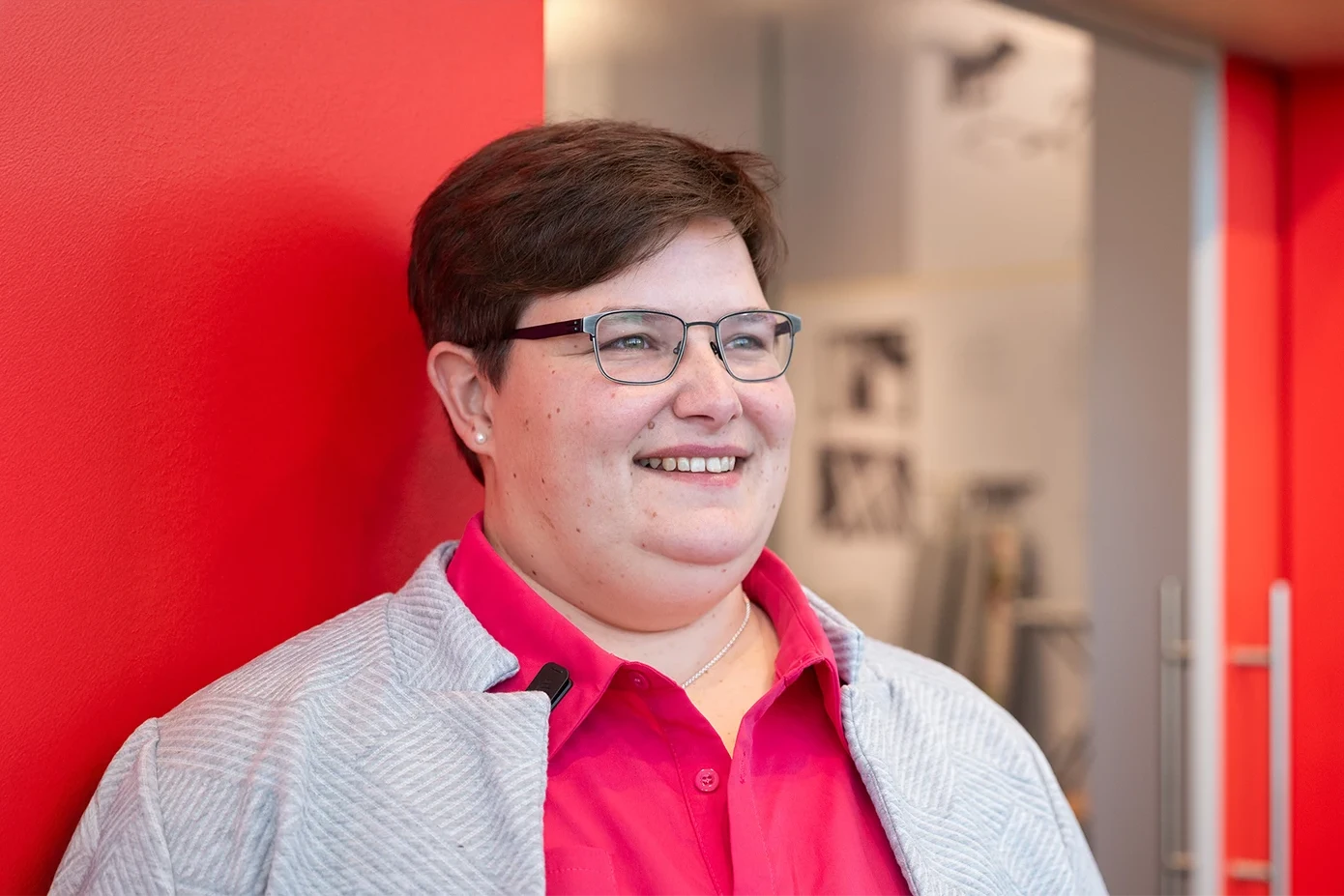
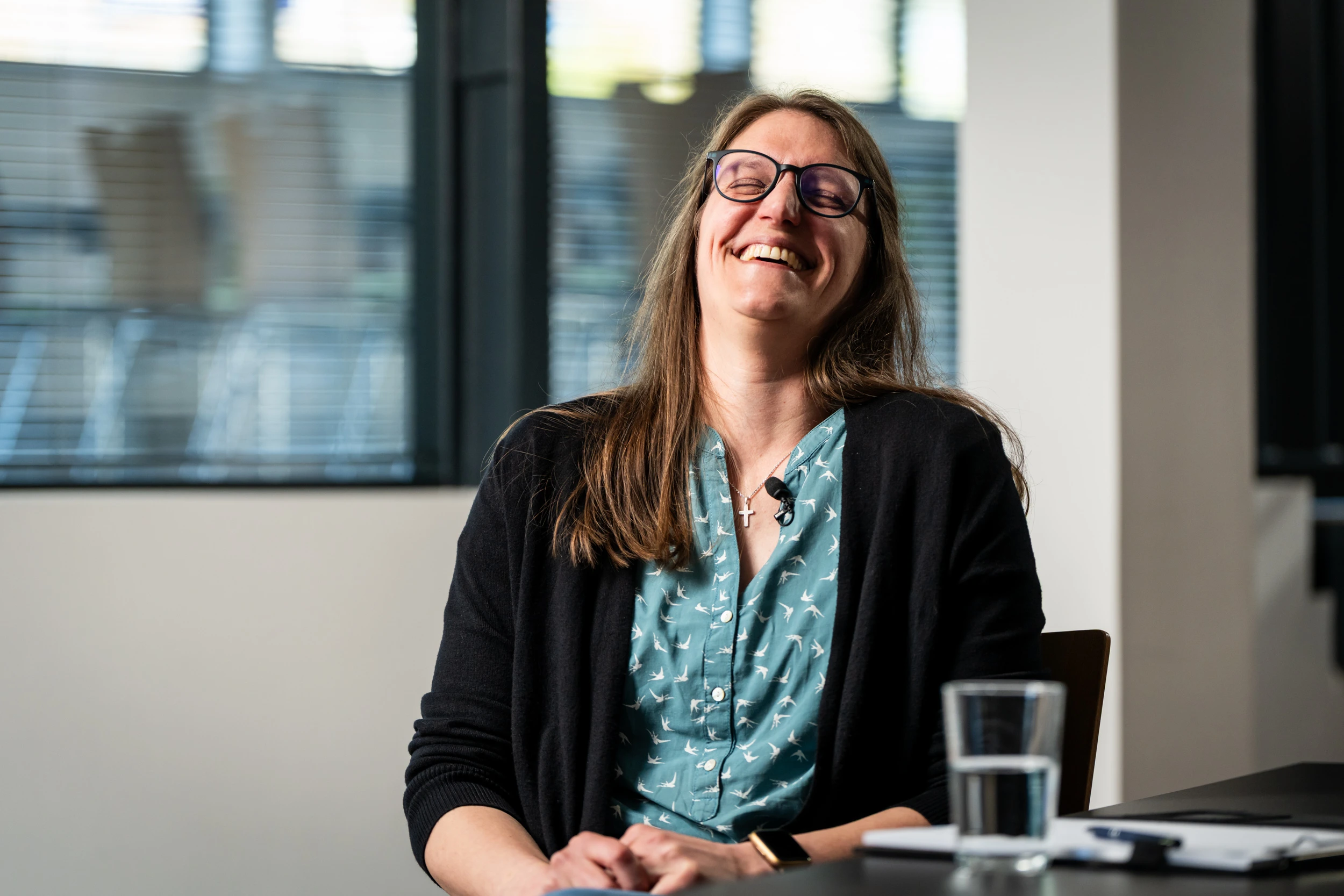
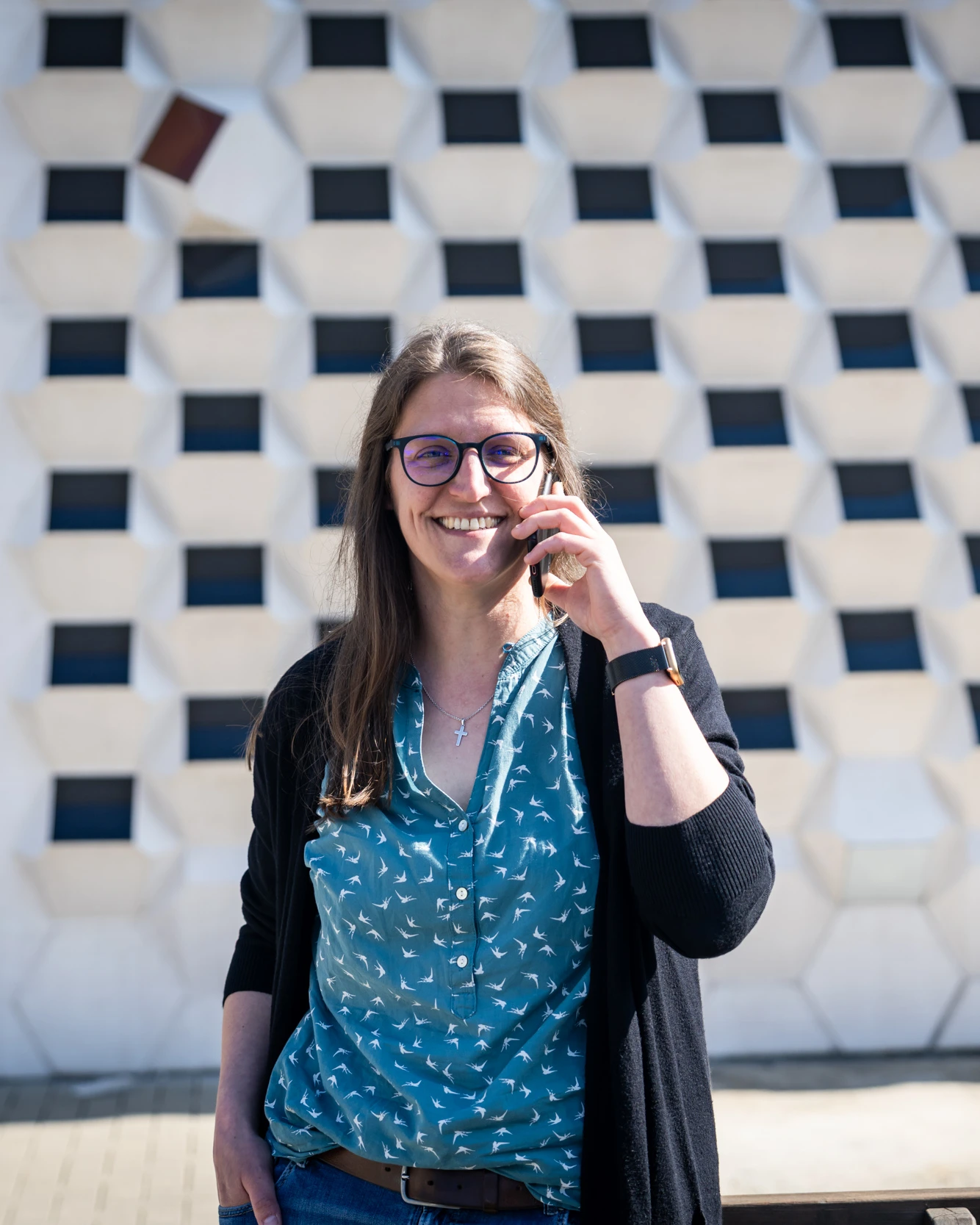
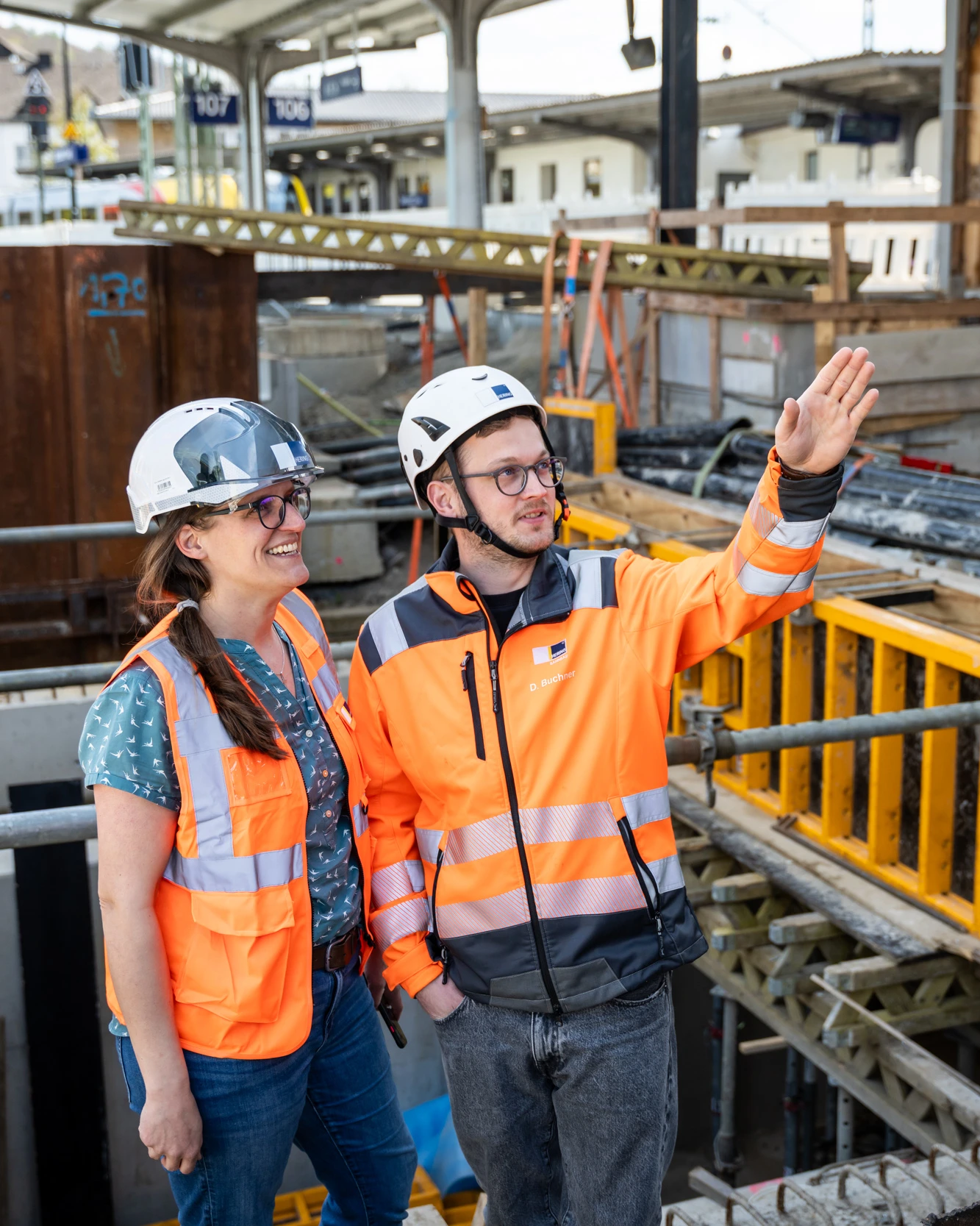
Her laughter is contagious. Her deep sense of calm is truly surprising. Anyone who gets to know Sarah Louise Schwehn meets a woman who seems to have found the perfect balance between her work and personal life. How is that possible? After all, in her role as a project assistant in the civil engineering division at Hering Bahnbau GmbH, she describes herself as a “jack-of-all-trades.” Pressure defines her day-to-day life. In addition to traditional construction site preparation tasks—such as obtaining permits and corresponding with government agencies—her responsibilities also include assisting the construction management team with scheduling and putting together work crews. Could her sense of balance perhaps have something to do with her participation in training Frustration—The Anti-Stress Formula for the Office”?
Construction projects often tend to take longer than planned. Sarah, how do you cope with always being the scapegoat?
I know that when construction takes longer than expected, it’s always a source of frustration for passengers. But it’s the same for us as contractors, too. Why isn’t this moving along? Why are you still working on it? Why isn’t anything getting done here? Of course, we often have to deal with that frustration—or rather, our guys on the job site do. Sometimes it really takes a toll.
The construction industry is still very male-dominated. Do you see that as more of an advantage or a disadvantage?
Well, I have to stand my ground. The important thing is that I’m definitely not easily offended. Because it’s a construction site. And the atmosphere there isn’t always “all sunshine and rainbows.” Things can get pretty down-to-earth there. I try to guide the guys as best I can—to make sure they do what I want. Sometimes they do, sometimes not so much.
"Before the training session, I training completely at the mercy of my emotions and my irrational thinking."
Sarah Louise Schwehn
You Haufe Akademie chose the training More Frustration—The Anti-Stress Formula for the Office” at the Haufe Akademie . What were your expectations?
I was interested in the following questions: How does anger arise? Why do I get angry? And how does it affect my body? Because I wanted to learn for myself how to deal with frustration and anger. How I can better manage it so that it doesn’t consume me so much. So that I can let it go more easily and foster better relationships with others.
Please tell us a little more about the training event.
The instructor was incredibly empathetic and very funny. We had a lot of fun, and it totally made up for the fact that it was online. Before the training , I training completely at the mercy of my emotions and my irrational thinking. That meant I reacted very quickly without really stopping to think about why one person or another was acting a certain way at that moment. For example, there was an exercise called “Don’t be a venting buddy. Be a sparring partner.” That means: If I’m frustrated about something right now, I look for colleagues who will listen to me openly and honestly, but who will also help me solve my problem.
I just try to stay out of the way of my “trouble-making buddy,” because he doesn’t help me get anywhere.

What else have you been able to take away from your day-to-day work?
Today, I accept the person I'm talking to just as they are, and today I only get annoyed by the things I choose to get annoyed by. For me, training become an outlet—a way to relieve my stress and keep my anger from boiling over.
Because anger affects the body in all sorts of ways. I’m tense; I’m angry. But also: I don’t know what to do with myself. I feel a little helpless. Especially at night in bed, when the merry-go-round of thoughts starts spinning and I find myself mentally replaying one situation or another. Today I know that I don’t have to be at the mercy of that—I can stop it. I tell myself: You can take control of this, Sarah. You can handle it. That means the world to me and is incredibly valuable for my well-being.
"These days, I only get annoyed at the things I choose to get annoyed at."
Sarah Louise Schwehn
What is the most significant change you've noticed?
I can fall asleep. Sleep is important; I need my sleep. This is great right now. The training definitely helped me a lot in terms of my health.

Dealing with Anger More Calmly
How does frustration arise—and how can it be stopped before it takes over your entire day? The training “Ending Frustration—The Anti-Frustration Formula for the Office” provides practical strategies for greater composure, better communication, and a more mindful approach to stressful situations in everyday work life.
More Balance
Balance has many facets—in thinking, working, leading, and living. Here you’ll find more inspiring articles from the current issue.



Do you have an exciting story to tell?
If continuing education has helped you take a step "FURTHER," we'd love to hear about it. Submit your success story—and with a little luck, we'll share it together in an interview.

