



















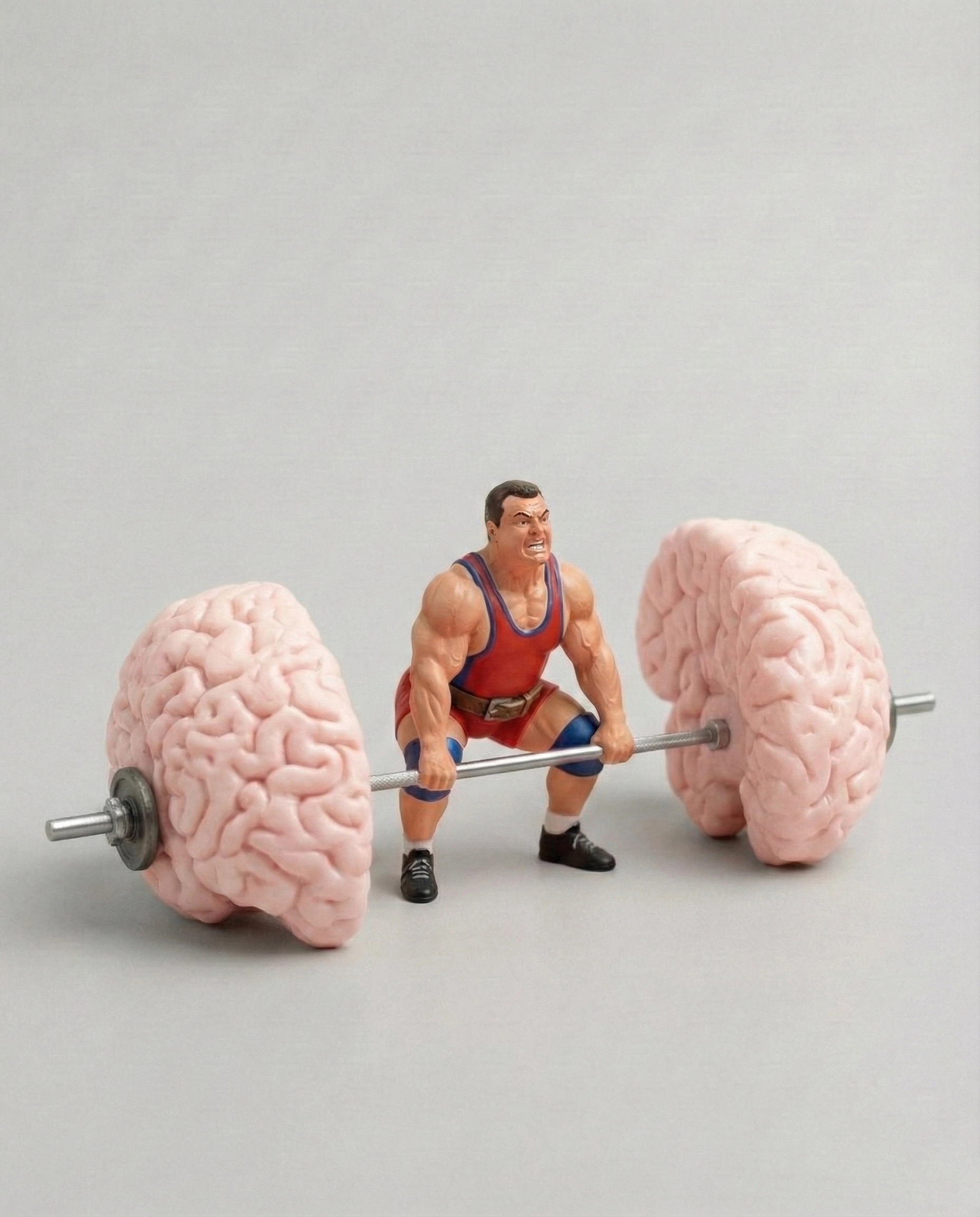

Stress remains. So does control.
Reading time: 6 min
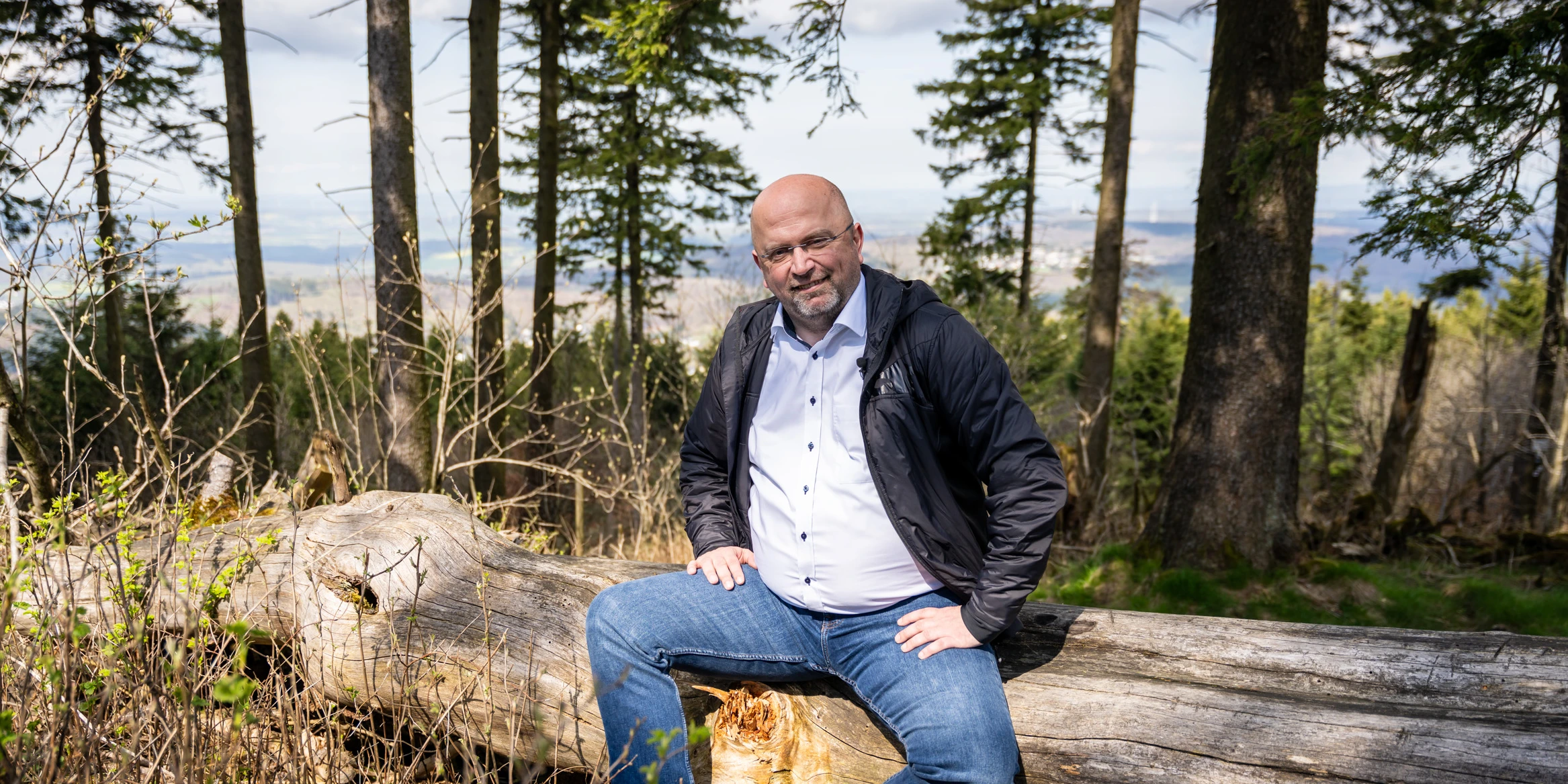
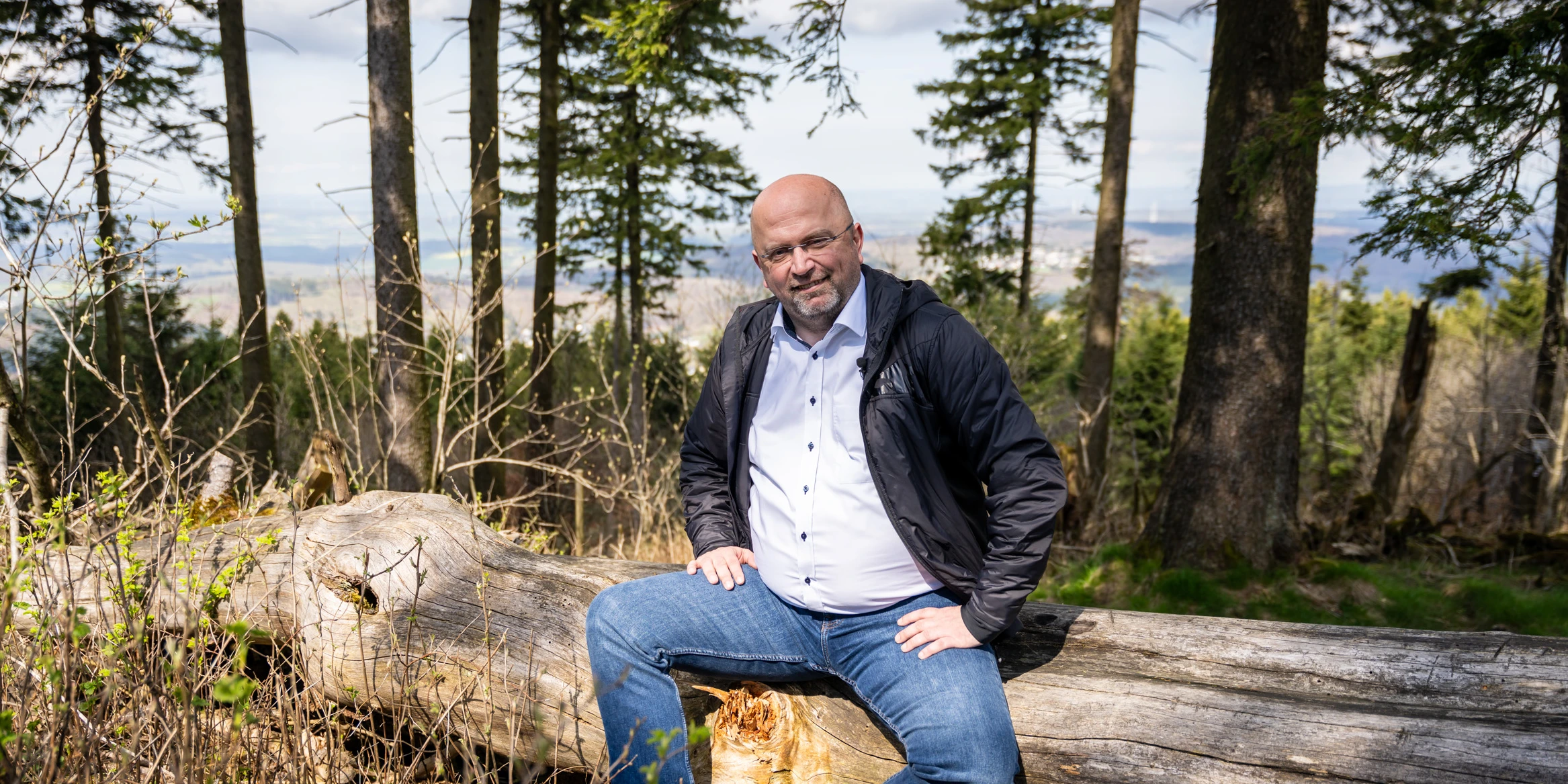
For Jens Demarczyk, time pressure has been a part of his daily work routine for 26 years. In the resilience training program at Haufe Akademie , he Haufe Akademie not to simply shut out stress, but to manage it more effectively—and to leave the office feeling more satisfied at the end of the day.
"I can control the hamster wheel now."
In an industry that calls itself the “press,” employs “printers,” and produces “headlines” every day, stress and the feeling of running on a hamster wheel are simply part of everyday life. Jens Demarczyk, who is responsible for planning and coordinating newspaper production in the Production & Strategic Purchasing department at the Frankfurter Allgemeine Zeitung, says of himself that he actually enjoys working on such a hamster wheel—provided he can manage the stress. In the resilience training program at Haufe Akademie , he Haufe Akademie how and where he can find his footing in this wheel—and what it takes to maintain a healthy balance between work and life.

Jens, I imagine that coordinating newspaper production on a daily basis must be very stressful.
Yes, it’s like a spider in its web. I’m responsible for bringing together editorial requirements, printing specifications, logistics tied to the schedule, and the advertising world’s placement preferences. The goal is to create a newspaper layout that’s ready by a specific time so it can be printed. And that happens every day.
What causes you stress?
Time pressure has been part of my daily routine for 26 years. The pressure comes from the ad deadline, which is at 10 a.m. And we have to make sure that by the editorial deadline at 4 p.m., all the pages are laid out so that the newspaper can be sent in its entirety to all the printing locations, so that production can begin there. The challenges have become greater and more specialized in recent years. And the deadlines are getting shorter and shorter. Sometimes I only have 30 minutes to review decision-making documents. That requires more and more brainpower.
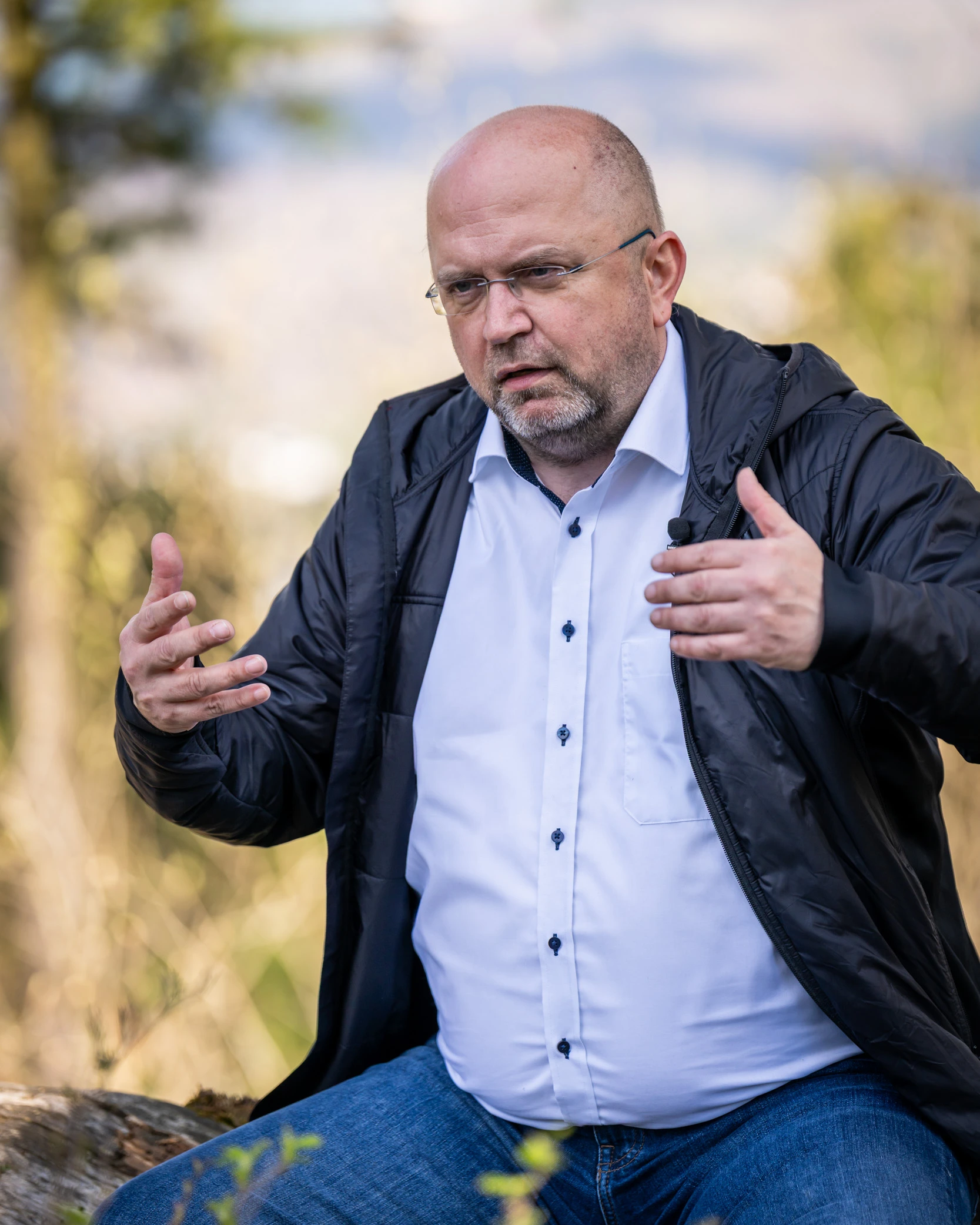
“Just take the time to do something nice for yourselves. Then you’ll quickly get back into balance.”
Jens Demarczyk
What made you decide Haufe Akademie take a resilience training course at the Haufe Akademie ?
My goal was to find a better way to manage this increasing stress. To walk out of the office in the evening and say, “Okay, the day is over. What happened at the office stays at the office.” That was the main reason I training this training .
Tell us a little about the training. What did the two days cover?
The days were filled with group work. The instructor illustrated her lectures with very practical examples. And she gave us the opportunity to describe our own situations from our professional lives. What I found fascinating was that everyone there was about my age. And we all faced the same kind of problem. That helped us quickly find common ground for the exercises. It made the whole experience feel very authentic. We mainly simulated stressful situations. And we practiced how to get out of those situations.

Do you have an example of the exercises we've learned?
The instructor gave us some very practical tips. For example: If you find yourself sitting tensely in your chair again, just stand up. Change your position for a moment; if possible, raise your desk. Or stand for half an hour and then sit back down. Or just walk around your desk once. Just take the time to do something good for yourself. Then you’ll quickly regain the balance you want in your work life. Since this training , the topic of balance has training been on my mind every day. Because I’ve realized: That’s exactly the goal—not to eliminate stressful situations, but to deal with them better.
How to better manage the rat race?
I haven’t gotten off the hamster wheel. I’m always on it. And I’m not going to get off either. It’s part of my job, and I actually think it’s awesome to run on the hamster wheel. But what’s good is that I’ve learned to hold on tight to the hamster wheel at the crucial moments. Before, I sometimes felt like I was going to fly right out of the hamster wheel in certain situations. Now I feel like, okay, I can control the hamster wheel to a certain extent and help set the pace myself.
"Now I feel like, at a certain point, I can control the rat race and help set the pace myself."
"I know now: Stress can be relieved."
Jens Demarczyk
What specific benefits did the training bring training ? Did you feel any changes within yourself afterward?
Yeah, sure, I’ve become calmer. The moments when I get emotional have become fewer. I get feedback on that, too. People say things like, “Wow, that’s great that you were able to help so quickly. And that you were able to support us so quickly.” That’s great, of course. I go home in the evenings feeling more satisfied. The hustle and bustle, the turbulence of work, are forgotten—they’ve stayed at the office. I know now: Stress can be managed. I can only recommend resilience training to everyone.

Building Resilience When the Pressure Mounts
Jens Demarczyk has learned that stress doesn’t have to disappear for everyday work to become easier. What matters most is how we deal with stress. The“Resilience Training” training shows how to specifically strengthen mental resilience in order to remain capable, calm, and healthy even in challenging situations.
More Balance
Balance has many facets—in thinking, working, leading, and living. Here you’ll find more inspiring articles from the current issue.






Do you have an exciting story to tell?
If continuing education has helped you take a step "FURTHER," we'd love to hear about it. Submit your success story—and with a little luck, we'll share it together in an interview.

