Why People Say "Yes": Making Smart Use of Psychology and Neuroscience
Influence cleverly without manipulating.
 4.5
4.5
Why do people say “yes”?
- How you can influence behavior through targeted wording.
- How to master the "dance" of successful communication.
HEART – Winning People Over Emotionally
- People have fundamental emotional needs. When these needs are met, trust, openness, and motivation are fostered. When they are violated, resistance arises.
- You'll learn how to avoid negative emotions and generate positive ones.
KOPF - Understanding and Utilizing the Brain's Automatic Processes
- Our brain constantly uses mental shortcuts and unconscious patterns when making decisions.
- You'll learn how to use these automatic responses to get even more people on board.
In-depth application to own topics and action plan
- In addition to understanding, the focus is always on internalizing and applying what is learned in practice. That is why we not only discuss real-life situations but also practice them intensively through role-playing exercises.
In your online learning environment, you will find useful information, downloads and extra services for this training course once you have registered.
- You'll find it easier to get people on board with your ideas.
- You'll communicate more persuasively.
- You understand and reduce resistance.
- You'll make a stronger impression on customers, colleagues, managers, and employees.
- You will significantly improve your professional and personal effectiveness.
- You'll receive valuable insights for specific situations both at work and in your personal life.
trainer, case studies, intensive individual and group work, role-playing, sharing of experiences and discussion, development of personal influence strategies, and Personal consultation.
All specialists and managers who are challenged to exert a positive influence.
Questions about the seminar content
The impression you make isn’t random; it stems from many small cues in your language, demeanor, and conversational style. In training how to consciously manage this impact and specifically strengthen your interactions with different groups of people. This will help you act with greater confidence in various roles—such as when interacting with customers, collaborating with colleagues, managing employees, or communicating with supervisors. In this way, you’ll build broader influence skills that will benefit you in many professional situations.
In training , you training how to strategically build your influence so that you don’t just inform others, but actually make an impact on them. You’ll gain a better understanding of how persuasion works in your professional life and how to structure your communication so that your ideas are more likely to be accepted. This will help you be more effective in situations where you want to generate agreement, support, or action without having to apply pressure. This is especially valuable in your day-to-day work when you’re proposing ideas, initiating changes, or trying to get others on board with a shared goal.
You’ll explore what influence actually means in a professional context and how nudging can be used to steer behavior in a desired direction through targeted prompts. This training you view these concepts not as abstract ideas, but as concrete tools for your communication. You’ll learn how small changes in language and situation can have a big impact. This gives you greater confidence when you want to constructively guide people in your daily work and make decisions more likely.
Language influences far more than just the information conveyed in a conversation. In training , you training therefore training how specific phrasing affects perception, reactions, and decision-making. You’ll gain a clearer understanding of why certain statements open doors, while others create resistance. This will make you more linguistically aware and enable you to structure your communication in a way that provides guidance, fosters acceptance, and supports desired actions. This is particularly helpful if you want to come across as effective, clear, and professional in conversations.
Emotions often determine whether people remain open or withdraw emotionally. In training, you’ll learn how to structure your communication in a way that generates less defensiveness and instead fosters agreement, trust, or openness. This isn’t about artificial friendliness, but rather a professional understanding of how emotional reactions arise and how you can influence them. This is particularly helpful in sensitive situations where your impact depends on whether the person you’re speaking with feels upset or pressured.
To ensure that you don’t just take away ideas but actually put them into practice, the training focuses training hands-on activities, practical tips, case studies, and intensive individual and group work. This is complemented by sharing experiences, discussions, and Personal consultation. For you, this means you can apply the content directly to your own challenges and return to your daily work with a concrete action plan.
- Customized training courses
- Direct application in practice
- Efficient use of time and resources
Further recommendations for “Why People Say ‘Yes’: Making Smart Use of Psychology & Neuroscience”
Ratings and feedback from our participants

Start dates and details


Thursday, 17.09.2026
10:00 am - 6:00 pm
Friday, 18.09.2026
09:00 am - 5:00 pm
- one joint lunch per full seminar day,
- Catering during breaks and
- extensive working documents.



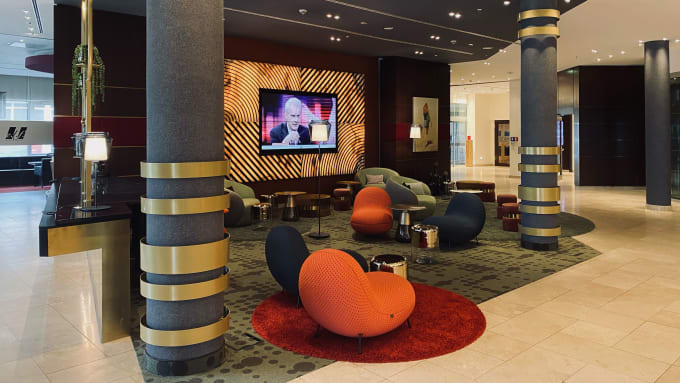


Monday, 19.10.2026
10:00 am - 6:00 pm
Tuesday, 20.10.2026
09:00 am - 5:00 pm
- one joint lunch per full seminar day,
- Catering during breaks and
- extensive working documents.

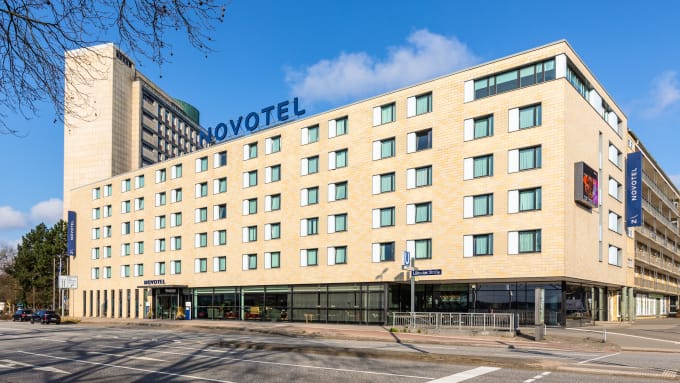



Thursday, 04.03.2027
10:00 am - 6:00 pm
Friday, 05.03.2027
09:00 am - 5:00 pm
- one joint lunch per full seminar day,
- Catering during breaks and
- extensive working documents.
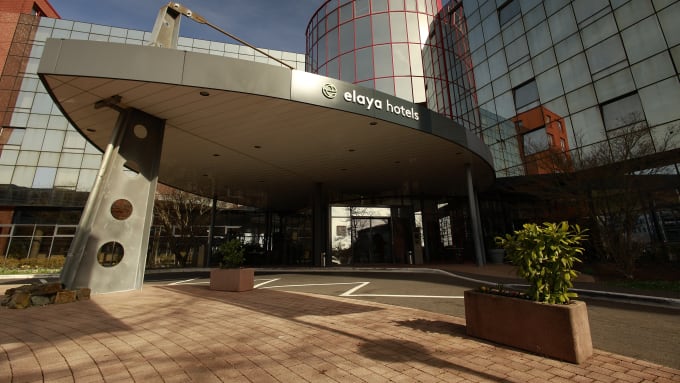

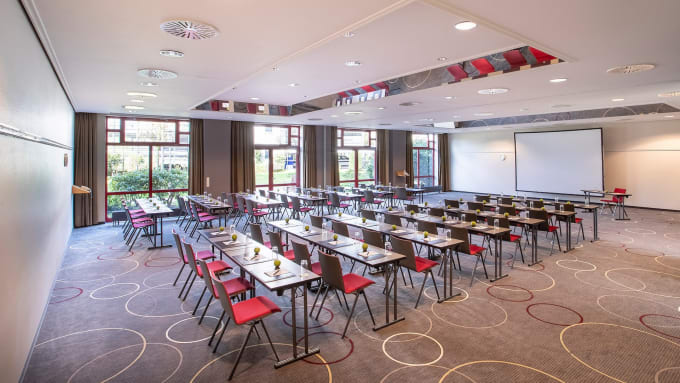




Monday, June 7, 2027
10:00 am - 6:00 pm
Tuesday, June 8, 2027
09:00 am - 5:00 pm
- one joint lunch per full seminar day,
- Catering during breaks and
- extensive working documents.
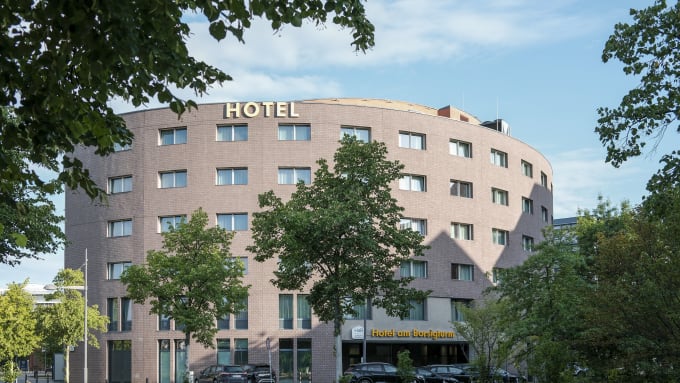






Tuesday, September 14, 2027
10:00 am - 6:00 pm
Wednesday, September 15, 2027
09:00 am - 5:00 pm
- one joint lunch per full seminar day,
- Catering during breaks and
- extensive working documents.
Training is guaranteed to take placeThe next booking ensures this course will take place- one joint lunch per full seminar day,
- Catering during breaks and
- extensive working documents.
- one joint lunch per full seminar day,
- Catering during breaks and
- extensive working documents.
You might also be interested in:
About us - The Haufe Akademie
Your optimizer, innovator and companion since 1978 -
Your professional partner for professional development and seminars, training courses and topical conferences.
Whether on site, live online or in-house - our customised solutions, our claim to the highest level of consulting expertise and training tailored to your needs simplify the acquisition of skills for the working world of the future and sustainably facilitate professional development.
A wide range of seminars, individual coaching and our flexible formats support HR managers and decision-makers in shaping the future and developing employees, in-house teams and companies.
Experience the benefits of online training from the comfort of your own home. Our online formats meet the highest quality standards and are in no way inferior to face-to-face events in terms of practical relevance. Learn together live online in interactive groups or digitally at a time of your choice.
Do you have any questions?
We are there for you Monday to Friday 8:00 a.m. - 5:00 p.m.

Questions & Answers
In our Questions & Answers (FAQ) section, you will find all the answers and the most frequently asked questions about your selected topic.

Munzinger Str. 9
79111 Freiburg


- Planning security
- Free seminar places
- Quality standards
- Planning and locations
- Funding opportunities
- Training app
- Business Solutions


