Project understanding as a success factor - how line & project work better together
Practical knowledge for specialists and managers for successful project participation

Basic understanding of project work - how does it actually work?
- Difference between line & project work (stable vs. dynamic focus).
- PM methods and their differences (classic, agile and hybrid project management).
- Importance of project phases, project events and control instruments (plans, risk, escalation).
- Dependencies and success factors in the project.
Roles & responsibilities, cooperation between line & project
- Typical roles & their tasks in the project context.
- Expectations and areas of tension.
- Points of contact between project roles and line functions.
Best practices for constructive collaboration with the project organization
- Common language & transparency in projects.
- Clear decision-making processes & escalation paths.
- Cooperation & conflict resolution: Analyzing typical areas of tension, success factors of cooperation, knowledge transfer.
Transfer to your own practice & individual recommendations for action
- Develop personal action strategies to improve cooperation.
- Create a checklist for daily work.
Your Digital Add-On: To complement the training, you’ll receive free access to additional digital learning resources afterward. These include an e-learning course on initial applications of AI in project management, as well as a guide on how to use AI as your personal learning companion or coach to help you apply what you’ve learned in your day-to-day work.
In your online learning environment, you will find useful information, downloads and extra services for this training course once you have registered.
- You will gain a better understanding of the roles within the line and in the project organization.
- Based on this, you will gain clarity about your own role in the project context.
- This enables transparent decision-making and reliable resource planning for you and your company.
- Unbeatable: better collaboration and fewer frictional losses!
Input sequences, group work, peer counseling, intensive exchange and reflection of own practical cases & learning by means of practical exercises.
Specialists & managers, project clients, business analysts. Anyone who is involved in projects but is not part of the project team.
- Customized training courses
- Direct application in practice
- Efficient use of time and resources
Further recommendations for "Success factor project understanding - how line & project work better together"
Start dates and details







Monday, 12.10.2026
09:00 am - 5:00 pm
Tuesday, 13.10.2026
09:00 am - 5:00 pm
- one joint lunch per full seminar day,
- Catering during breaks and
- extensive working documents.







Thursday, 04.03.2027
09:00 am - 5:00 pm
Friday, 05.03.2027
09:00 am - 5:00 pm
- one joint lunch per full seminar day,
- Catering during breaks and
- extensive working documents.


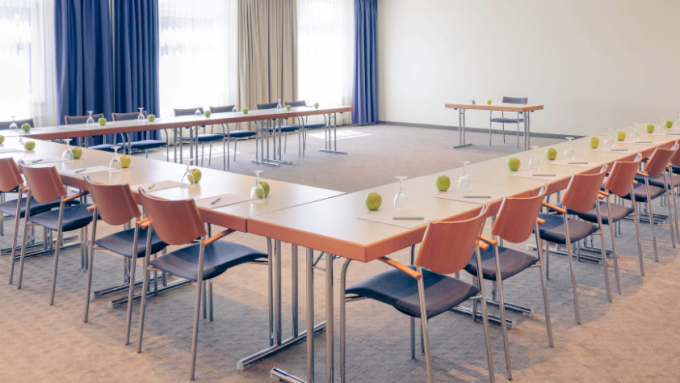




Monday, June 7, 2027
09:00 am - 5:00 pm
Tuesday, June 8, 2027
09:00 am - 5:00 pm
- one joint lunch per full seminar day,
- Catering during breaks and
- extensive working documents.


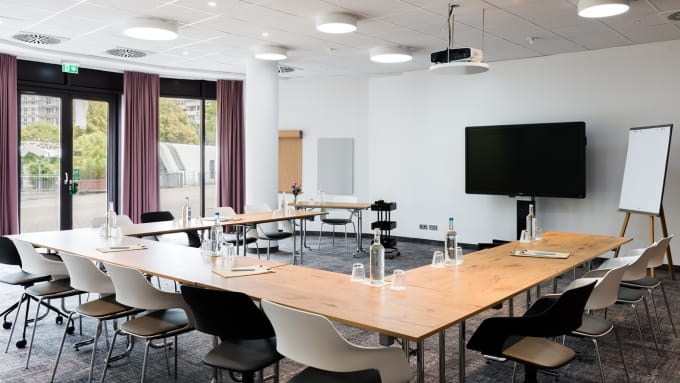




Thursday, October 7, 2027
09:00 am - 5:00 pm
Friday, October 8, 2027
09:00 am - 5:00 pm
- one joint lunch per full seminar day,
- Catering during breaks and
- extensive working documents.
Training is guaranteed to take place- one joint lunch per full seminar day,
- Catering during breaks and
- extensive working documents.
- one joint lunch per full seminar day,
- Catering during breaks and
- extensive working documents.
You might also be interested in:
FAQ
Even if you aren’t part of the project team yourself, a basic understanding of project work is often important in your day-to-day work. If you’re familiar with project phases, typical roles, management tools, and dependencies, you’ll be better able to understand how projects fit together. This training course will teach you the differences between traditional, agile, and hybrid project management and show you how project work fundamentally works. This will help you better understand the perspective of project managers and make your collaboration on projects more constructive.
Collaboration between line and project functions is often challenging because different expectations, roles, and ways of working come into play. While line work is more focused on stability, project work has a more dynamic focus. In this training, you’ll learn about these differences and common areas of tension. You’ll also explore the factors that contribute to constructive collaboration. This will help you better understand areas of overlap, reduce misunderstandings, and foster a stronger connection between line management and project teams.
Unclear roles and responsibilities can make collaboration between line management and project teams difficult. In this training, you’ll learn about typical project roles and their responsibilities and explore the points of intersection between project roles and line management functions. The training also covers clear decision-making processes and escalation procedures. This will help you better assess your own role within the project context, make responsibilities more transparent, and contribute to well-reasoned decisions.
Differing expectations and requirements can quickly lead to tension between the project organization and line management. This becomes particularly relevant when resources need to be coordinated or conflicting interests must be taken into account. In this training course, you’ll analyze typical areas of conflict and explore conflict resolution as well as the factors that contribute to successful collaboration. Based on this, you’ll develop personal strategies for addressing challenges in your own work environment more constructively.
A common language, transparent information, and effective knowledge transfer are key prerequisites for successful collaboration. In this continuing education course, you’ll learn why these factors play a central role in a project context and how they relate to decision-making processes, roles, and collaboration. By reflecting on your own real-world cases and developing personalized recommendations for action, you’ll be able to identify concrete strategies for improving collaboration on projects in your day-to-day work.
About us - The Haufe Akademie
Your optimizer, innovator and companion since 1978 -
Your professional partner for professional development and seminars, training courses and topical conferences.
Whether on site, live online or in-house - our customised solutions, our claim to the highest level of consulting expertise and training tailored to your needs simplify the acquisition of skills for the working world of the future and sustainably facilitate professional development.
A wide range of seminars, individual coaching and our flexible formats support HR managers and decision-makers in shaping the future and developing employees, in-house teams and companies.
Experience the benefits of online training from the comfort of your own home. Our online formats meet the highest quality standards and are in no way inferior to face-to-face events in terms of practical relevance. Learn together live online in interactive groups or digitally at a time of your choice.
Do you have any questions?
We are there for you Monday to Friday 8:00 a.m. - 5:00 p.m.

Questions & Answers
In our Questions & Answers (FAQ) section, you will find all the answers and the most frequently asked questions about your selected topic.

Munzinger Str. 9
79111 Freiburg

- Planning security
- Free seminar places
- Quality standards
- Planning and locations
- Funding opportunities
- Training app
- Business Solutions


