Leadership Development for Experienced Leaders

How can you develop leaders who have extensive experience but lead in different areas, roles, and contexts? A retail and tourism group has realigned its established development program to leverage this very diversity and jointly develop leadership for the future.

Initial Situation

Experience Meets New Horizons

The development program for experienced executives had been in place within the company for years. At the same time, the broader context had changed: AI, hybrid collaboration, and new expectations for leadership are increasingly shaping the day-to-day work environment. An internal analysis had already identified the relevant topics. Therefore, the goal was not to start from scratch, but rather to further develop the existing program in a targeted manner with up-to-date content and learning formats.

100,000+

Employees across the Group

17

experienced executives from various divisions of the corporation

7–9

Months Learning Journey

The challenge

Bringing Together Diverse Leadership Experiences

The 17 participants came from different divisions of the company and brought a variety of leadership experiences and perspectives to the program. The learning architecture had to accommodate this diversity: it needed to facilitate individual development, foster intensive discussion in smaller groups, and at the same time promote a shared understanding of leadership and build a cross-functional network.

Relevance Over Fundamentals

Experienced leaders need challenging situations and inspiration that build on their actual leadership practices.

Bringing the Future to Life

AI, new forms of collaboration, and complex decision-making situations should not be taught in the abstract, but rather tested in practice.

Harnessing Heterogeneity Productively

Individual development needs require space. At the same time, a shared understanding of leadership and a network should emerge across departments.

The Solution

Work independently. Think ahead together about leadership.

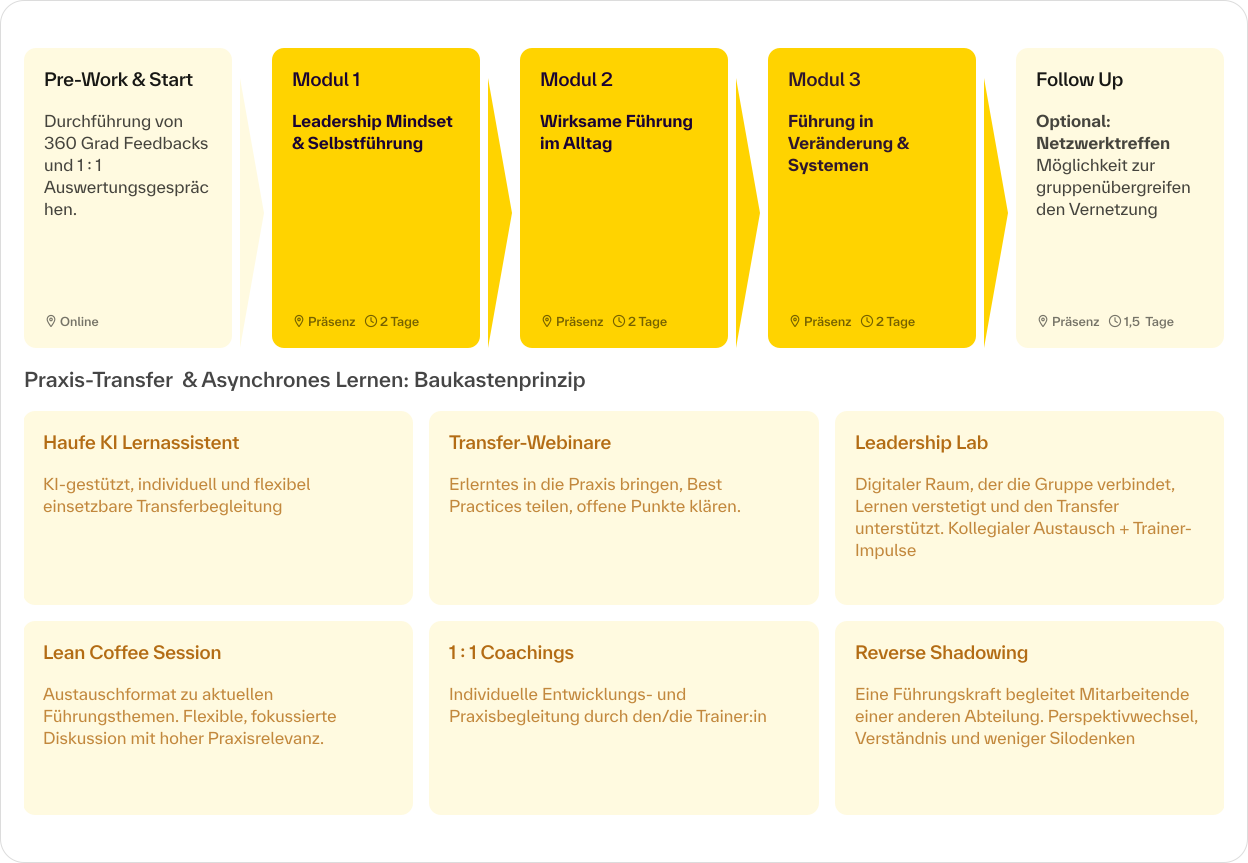
The 7- to 9-month learning journey brings together different learning spaces. Some sessions are intentionally held in small groups, while others bring all participants together.
The Change

Grow as individuals. Learn from one another. Lead together.

The Effect

Making Progress Visible on Multiple Levels

≥ 90 %

Program Completion as an Indicator of Acceptance and Relevance

Iterative

Learners Architecture: Continuously adaptable to actual needs based on comprehensive measurement concepts

2 groups

A parallel group structure enables intensive small-group work and a group-wide networking experience

Are your managers facing a similar challenge?

Together, we’ll assess your current situation, identify the relevant target audiences, and pinpoint the development levers with the greatest impact. Book a personal consultation or contact us at e-mail using our contact form.

Online consultation appointment

Personal consultation

Do you have questions about our leadership development programs? We’d be happy to address your concerns in a personal, no-obligation conversation. Simply select a convenient time—the conversation will take place online via MS Teams.
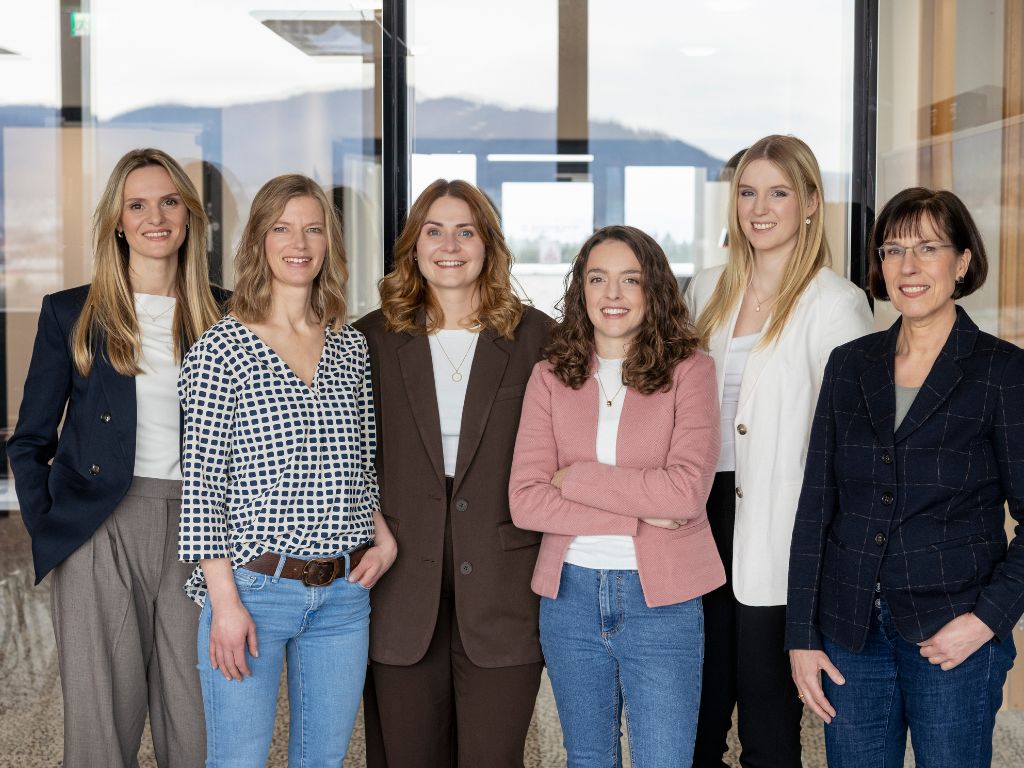

Celine Oechler

and her team will be happy to advise you.

FAQ

Frequently asked questions

How can experienced leaders be developed in a targeted manner?

Experienced leaders generally do not need foundational training, but rather development opportunities that address their specific leadership practices. Key elements include a thorough assessment of current capabilities, challenging real-world scenarios, reflection, and personalized development opportunities. Formats such as 360° feedback, coaching, or peer learning help leaders recognize their own patterns, critically examine them, and test new approaches directly in their day-to-day leadership roles.

Development Programs Haufe Akademie s can be adapted to the leadership level, the corporate context, and development goals—so that development begins where it truly makes a difference.

How can leaders with different backgrounds and experiences learn together?

Differing experiences are not an obstacle but can be purposefully turned into a learning resource. This requires a learning framework that effectively combines individual development with collaborative learning. In practice, it has proven effective to allow managers to work on their specific issues in small groups while also bringing them together for joint sessions and cross-functional exchanges. This creates space for personal development without sacrificing the benefit of diverse perspectives and experiences from other areas of the company.

How long does a development program for experienced executives last?

The duration depends on the starting point, development goals, and desired intensity. In the practical example shown, the learning journey spanned seven to nine months. In principle, however, “ Development Programs ” can be designed individually, and different learning formats can be combined in a modular way. This allows the development process to be tailored to the company’s requirements and time constraints. Short, focused learning units that can be immediately applied in everyday work can also be implemented using so-called“Leadership Sprints.”

What formats promote dialogue among leaders from different departments?

Formats in which leaders share their specific experiences and perspectives with one another, reflect on them, and learn from each other are particularly effective. These include, for example , peer learning, leadership labs, reverse shadowing, joint knowledge-transfer sessions, and networking events. In the case study, intensive small-group phases were deliberately combined with joint sessions. This fostered both a trusting exchange within smaller groups and networking across different divisions of the company.

‍