4.3
4.3
PMI® Certification
Earn PDUs with this training
The basics of the agile method
The "pantry": the backlog!
The Scrum process - events and artifacts
Scrum in practice - and in training
Your Digital Add-On: In addition to the training, you’ll receive free access to an additional digital learning resource afterward. The “AI in Project Management” e-learning course provides an introduction and practical examples of how to use AI in day-to-day project work.
Through the combination of e-learning and webinars, you will learn the basics of agile project management quickly and practically.
After attending this seminar, you will receive a confirmation of 10.50 PDUs.
Trainer input, impulses and interactions in three virtual classroom sessions in which Miro (online collaborative whiteboard platform) is also used. Self-learning in an e-learning course with case studies and exercises. Practical transfer to your own working environment.
Future Scrum Masters, Product Owners and team members, (prospective) project managers outside and within IT who want to gain a sound overview of agile project management methods and techniques. Departments and others interested in agile approaches.

Agile project management is an iterative approach in which projects are developed step by step and regularly adapted to new requirements. It is particularly well-suited when requirements have not yet been fully defined, changes are likely, or continuous feedback is important. You’ll learn the differences between traditional and agile project management and be better able to assess which approach is right for your project and your work environment.
Scrum and Kanban help teams organize projects in a transparent and flexible way. With Scrum, you’ll learn about key roles, events, and artifacts, as well as how they interact. Kanban teaches you, among other things, the pull principle and how to limit the number of tasks being worked on simultaneously using WIP limits. Through practical project examples, you’ll learn how to apply these approaches and where their possibilities and limitations lie.
Scrum defines clear responsibilities for the Product Owner, Scrum Master, and the team. This division of roles helps to clearly organize decisions, priorities, and collaboration. You’ll learn about the roles and responsibilities within the Scrum framework and, at the same time, understand how they fit into agile methodologies. This will be particularly helpful if you go on to work as a Scrum Master or Product Owner yourself, or if you collaborate with agile teams as a project manager or team member.
In agile projects, it must be possible to regularly evaluate and reprioritize requirements. To this end, you’ll learn about key tools such as the backlog, user stories, and story mapping. In addition, Kanban, the pull principle, and WIP limits will show you how to manage workloads more transparently. This will help you better understand which tasks are currently important, how requirements are structured, and how to foster a focused workflow within the team.
For agile methods to work in everyday work life, they must be tailored to the specific project and organizational context. That’s why you’ll not only learn the fundamentals and methods, but also apply key tools to project examples and in a simulation. You’ll explore Scrum in practice, as well as the possibilities and limitations of agile approaches. This will help you better assess which elements can be effectively applied to your own projects.
Your optimizer, innovator and companion since 1978 -
Your professional partner for professional development and seminars, training courses and topical conferences.
Whether on site, live online or in-house - our customised solutions, our claim to the highest level of consulting expertise and training tailored to your needs simplify the acquisition of skills for the working world of the future and sustainably facilitate professional development.
A wide range of seminars, individual coaching and our flexible formats support HR managers and decision-makers in shaping the future and developing employees, in-house teams and companies.
Experience the benefits of online training from the comfort of your own home. Our online formats meet the highest quality standards and are in no way inferior to face-to-face events in terms of practical relevance. Learn together live online in interactive groups or digitally at a time of your choice.
We are there for you Monday to Friday 8:00 a.m. - 5:00 p.m.
In our Questions & Answers (FAQ) section, you will find all the answers and the most frequently asked questions about your selected topic.
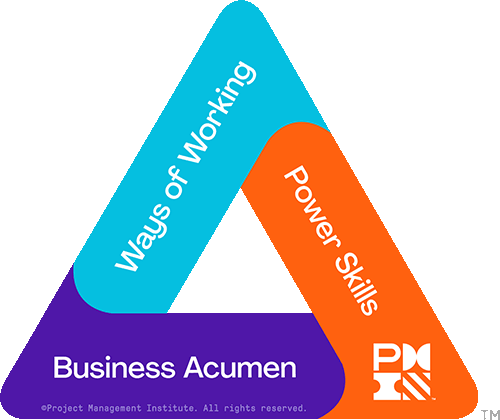
 PDUs: 10.50