4.5
4.5
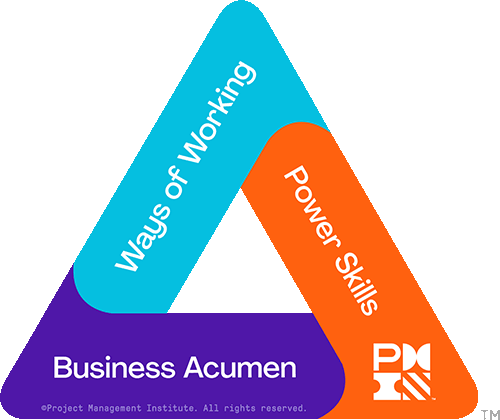
PMI® Certification
Earn PDUs with this training

Basics and introduction: Why agile?
Prerequisites/framework conditions for agile projects
Team as a key factor
Agile methods and tools
Adaptive planning and development
Get to know and experience Scrum holistically
Project management
Continuous improvement - project completion
Your Digital Add-On: In addition to the training, you’ll receive free access to an additional digital learning resource afterward. The “AI in Project Management” e-learning course provides an introduction and practical examples of how to use AI in day-to-day project work.
In your online learning environment, you will find useful information, downloads and extra services for this training course once you have registered.
After attending this training course, you will receive a confirmation for 12.00 PDUs.
Lively, dialog-oriented training in which the attendees can and should actively participate. Processing of practical cases, mixture of lecture, discussion, individual reflection and group work.
(Prospective) project managers and sub-project managers outside and inside IT who want to gain a sound overview of agile project management methods and techniques.
 PDUs: 12.00
 Can also be booked as English-language training:
Agile Project Management
PDUs: 12.00 Can also be booked as English-language training:
Agile Project Management
Can also be booked as English-language training:
Agile Project Management




Monday, 02.11.2026
09:00 am - 5:00 pm
Tuesday, 03.11.2026
09:00 am - 5:00 pm
Wednesday, 11.11.2026
09:00 am - 5:00 pm
Thursday, 12.11.2026
09:00 am - 5:00 pm
Monday, 16.11.2026
09:00 am - 5:00 pm
Tuesday, 17.11.2026
09:00 am - 5:00 pm
Thursday, 19.11.2026
09:00 am - 5:00 pm
Friday, 20.11.2026
09:00 am - 5:00 pm
Thursday, 03.12.2026
09:00 am - 5:00 pm
Friday, 04.12.2026
09:00 am - 5:00 pm
Monday, 07.12.2026
09:00 am - 5:00 pm
Tuesday, 08.12.2026
09:00 am - 5:00 pm
Monday, 14.12.2026
09:00 am - 5:00 pm
Tuesday, 15.12.2026
09:00 am - 5:00 pm

Wednesday, 20.01.2027
09:00 am - 5:00 pm
Thursday, 21.01.2027
09:00 am - 5:00 pm
Monday, 25.01.2027
09:00 am - 5:00 pm
Tuesday, 26.01.2027
09:00 am - 5:00 pm
Thursday, 04.02.2027
09:00 am - 5:00 pm
Friday, 05.02.2027
09:00 am - 5:00 pm
Thursday, 11.02.2027
09:00 am - 5:00 pm
Friday, 12.02.2027
09:00 am - 5:00 pm
Monday, 15.02.2027
09:00 am - 5:00 pm
Tuesday, 16.02.2027
09:00 am - 5:00 pm
Thursday, 25.02.2027
09:00 am - 5:00 pm
Friday, 26.02.2027
09:00 am - 5:00 pm
Tuesday, 02.03.2027
09:00 am - 5:00 pm
Wednesday, 03.03.2027
09:00 am - 5:00 pm
Wednesday, 10.03.2027
09:00 am - 5:00 pm
Thursday, 11.03.2027
09:00 am - 5:00 pm
Monday, 15.03.2027
09:00 am - 5:00 pm
Tuesday, 16.03.2027
09:00 am - 5:00 pm
Tuesday, April 6, 2027
09:00 am - 5:00 pm
Wednesday, April 7, 2027
09:00 am - 5:00 pm
Monday, 26.04.2027
09:00 am - 5:00 pm
Tuesday, 27.04.2027
09:00 am - 5:00 pm
Monday, 26.04.2027
09:00 am - 5:00 pm
Tuesday, 27.04.2027
09:00 am - 5:00 pm
Tuesday, May 4, 2027
09:00 am - 5:00 pm
Wednesday, May 5, 2027
09:00 am - 5:00 pm
Tuesday, May 11, 2027
09:00 am - 5:00 pm
Wednesday, May 12, 2027
09:00 am - 5:00 pm
Tuesday, May 25, 2027
09:00 am - 5:00 pm
Wednesday, May 26, 2027
09:00 am - 5:00 pm
Wednesday, June 2, 2027
09:00 am - 5:00 pm
Thursday, June 3, 2027
09:00 am - 5:00 pm
Monday, June 14, 2027
09:00 am - 5:00 pm
Tuesday, June 15, 2027
09:00 am - 5:00 pm
Wednesday, June 23, 2027
09:00 am - 5:00 pm
Thursday, June 24, 2027
09:00 am - 5:00 pm
Thursday, July 8, 2027
09:00 am - 5:00 pm
Friday, July 9, 2027
09:00 am - 5:00 pm
Wednesday, July 14, 2027
09:00 am - 5:00 pm
Thursday, July 15, 2027
09:00 am - 5:00 pm
Tuesday, July 20, 2027
09:00 am - 5:00 pm
Wednesday, July 21, 2027
09:00 am - 5:00 pm
Tuesday, August 17, 2027
09:00 am - 5:00 pm
Wednesday, August 18, 2027
09:00 am - 5:00 pm
Thursday, August 19, 2027
09:00 am - 5:00 pm
Friday, August 20, 2027
09:00 am - 5:00 pm
Tuesday, September 7, 2027
09:00 am - 5:00 pm
Wednesday, September 8, 2027
09:00 am - 5:00 pm
Wednesday, September 15, 2027
09:00 am - 5:00 pm
Thursday, September 16, 2027
09:00 am - 5:00 pm
Monday, September 20, 2027
09:00 am - 5:00 pm
Tuesday, September 21, 2027
09:00 am - 5:00 pm
Tuesday, September 28, 2027
09:00 am - 5:00 pm
Wednesday, September 29, 2027
09:00 am - 5:00 pm
Training is guaranteed to take placeThe next booking ensures this course will take placeIn many projects, requirements, priorities, and framework conditions change faster than traditional project plans can keep up with. A detailed plan at the start of a project loses its relevance when stakeholder expectations shift, new insights emerge, or external influences come into play. In everyday life, this often leads to friction, a high coordination effort, and late corrections. Agile project management addresses this issue by accepting change as the norm and continuously adapting planning. The training this problem and uses concrete examples to show you how agile project management differs from the traditional approach, what mindsets are behind it, and how you can keep projects structured and controllable even in situations of high uncertainty.
An agile mindset changes the way you view planning, collaboration, and responsibility. Instead of control and rigid guidelines, the focus is on transparency, willingness to learn, and personal responsibility. This helps you respond to problems more quickly in your day-to-day project work, involve teams more closely, and make decisions closer to the operational work. Agile principles support you in regularly gathering feedback, reviewing priorities, and focusing on the actual benefits for clients. In training , you training about the core agile values and principles and understand how they specifically affect leadership, collaboration in the project team, and dealing with change.
Many project managers face the challenge of implementing agile methods without completely dismantling existing structures. However, agile working methods can be integrated step by step, for example through iterative planning, clear prioritization of tasks, or regular coordination within the team. It is crucial to know which methods are suitable for which purposes and how they can be applied pragmatically. This is exactly where the training , explaining basic agile methods such as Scrum and Kanban in an understandable way and showing you how to adapt them to your project reality, even if your environment is not completely agile.
Successful agile project management is based on close collaboration, clear communication, and shared responsibility. Teams work in a more self-organized manner, stakeholders are regularly involved, and decisions are made transparently. This reduces misunderstandings and ensures that project results better match actual requirements. training how agile roles work, how teamwork is structured, and how you can actively involve stakeholders in the project process to increase acceptance, clarity, and commitment.
Agile project management often seems complex, especially for beginners, as it involves many new terms, roles, and working methods. A structured introduction is therefore crucial in order to gain confidence in using agile methods and to apply them effectively. This training you exactly that introduction by presenting the basics in an understandable way, explaining the connections, and clearing up typical misunderstandings. You will develop a solid understanding of when agile methods are useful, how they are applied, and how you can use them step by step in your everyday project work.
The term "agile project management" refers to a principle that is geared towards fast results. In software development, for example, beta versions are published in advance and put through practical testing even before the product has been completed. The advantage of agile project management lies in the dynamic and flexible design of control and management. The product can be adapted to customer requirements more quickly, undesirable developments are identified earlier and can be corrected. However, despite all the flexibility, it is important to maintain the necessary goal orientation. In our "Agile project management" training , you will learn how the organization can optimally stabilize agile processes and how project managers can lead and support their teams so that they can work in a creative and disciplined manner at the same time.
Your optimizer, innovator and companion since 1978 -
Your professional partner for professional development and seminars, training courses and topical conferences.
Whether on site, live online or in-house - our customised solutions, our claim to the highest level of consulting expertise and training tailored to your needs simplify the acquisition of skills for the working world of the future and sustainably facilitate professional development.
A wide range of seminars, individual coaching and our flexible formats support HR managers and decision-makers in shaping the future and developing employees, in-house teams and companies.
Experience the benefits of online training from the comfort of your own home. Our online formats meet the highest quality standards and are in no way inferior to face-to-face events in terms of practical relevance. Learn together live online in interactive groups or digitally at a time of your choice.
We are there for you Monday to Friday 8:00 a.m. - 5:00 p.m.
In our Questions & Answers (FAQ) section, you will find all the answers and the most frequently asked questions about your selected topic.
 PDUs In-person (12.00)
 PDUs Online (12.00)