4.7
4.7
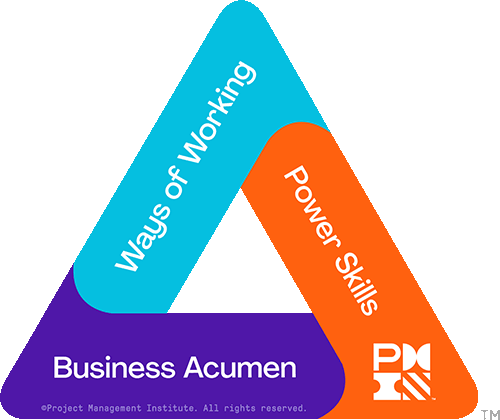
PMI® Certification
Earn PDUs with this training

Project success
Successful project launch
Stakeholder management and management support
Realistic planning and control
Learning and reflecting in the project
Your Digital Add-On: In addition to the training, you’ll receive free access to additional digital learning resources. These include an e-learning course on the basics of project management, as well as—following the training—an e-learning course on initial applications of AI in project management and a guide on how to use AI as your personal learning companion or coach to successfully apply what you’ve learned to your daily work.
In your online learning environment, you will find useful information, downloads and extra services for this training course once you have registered.
After attending this seminar, you will receive a confirmation of 15.00 PDUs.
Trainer input, group work, discussion, practical examples, keynote speech, collegial team consultation.
If necessary, participants can refresh or build their foundational knowledge of project management in advance through the included e-learning course “Project Management Basics.”
project managers and sub-project managers, program managers.
Important: Basic knowledge of project management is required.
 PDUs: 15.00
PDUs: 15.00
PDUs: 15.00


Thursday, 19.11.2026
09:00 am - 5:30 pm
Friday, 20.11.2026
09:00 am - 5:30 pm

Thursday, 10.12.2026
09:00 am - 5:30 pm
Friday, 11.12.2026
09:00 am - 5:30 pm
Wednesday, 03.02.2027
09:00 am - 5:30 pm
Thursday, 04.02.2027
09:00 am - 5:30 pm
Monday, 01.03.2027
09:00 am - 5:30 pm
Tuesday, 02.03.2027
09:00 am - 5:30 pm
Wednesday, April 21, 2027
09:00 am - 5:30 pm
Thursday, 22.04.2027
09:00 am - 5:30 pm
Monday, May 10, 2027
09:00 am - 5:30 pm
Tuesday, May 11, 2027
09:00 am - 5:30 pm
Monday, June 14, 2027
09:00 am - 5:30 pm
Tuesday, June 15, 2027
09:00 am - 5:30 pm
Monday, July 26, 2027
09:00 am - 5:30 pm
Tuesday, July 27, 2027
09:00 am - 5:30 pm
Monday, August 23, 2027
09:00 am - 5:30 pm
Tuesday, August 24, 2027
09:00 am - 5:30 pm
Thursday, September 30, 2027
09:00 am - 5:30 pm
Friday, October 1, 2027
09:00 am - 5:30 pm
Training is guaranteed to take placeSuccessful project management doesn’t depend solely on good planning. Unclear goals, a lack of priorities, insufficient coordination, or increasing complexity can jeopardize a project’s success. In this continuing education course, you’ll learn about key success criteria and success factors in project management and explore typical pitfalls encountered in real-world projects. You’ll learn how to better structure complex situations, set priorities, and focus on the key issues. This will enable you to manage projects more effectively and identify common project management mistakes earlier on.
Clear project goals are an important prerequisite for a successful project launch. If stakeholders have differing views on goals, deliverables, roles, or the scope of the project, misunderstandings and conflicts can arise. In this training, you’ll learn how carefully defining the project scope helps establish a shared understanding. You’ll explore how to definitively define project content and scope, as well as how to align objectives, deliverables, and benefits. This will provide greater clarity for all stakeholders and establish a solid foundation for the project’s continued progress.
Successful stakeholder management begins with identifying relevant stakeholders and accurately assessing their importance to the project. Differing interests, expectations, and spheres of influence can significantly impact the course of the project. In this training course, you’ll learn how to effectively apply stakeholder analyses, situational analyses, and project environment analyses. You’ll also explore formal and informal project communication, management support, decision preparation, and appropriate escalation. This will enable you to involve key stakeholders more effectively and tailor your communication within the project more precisely.
Project risks and changes are a natural part of many projects and can affect planning, resources, and project objectives. That is why it is important to analyze potential risks early on and to incorporate changes into project management in a structured manner. In this training course, you’ll explore the analysis of project risks, key planning methods, and the effective use of planning documents. You’ll also learn about the importance of clearly delegating tasks and implementing consistent change management. This will enable you to assess risks and changes more effectively and manage your project in a structured manner, even in the face of new developments.
Retrospectives and lessons learned help you consciously apply insights from projects to drive improvements. Retrospectives allow you to reflect—even while the project is underway—on what’s working well and where changes might be beneficial. Lessons learned help you document insights at the end of a project and apply them to future projects. In this training course, you’ll explore both approaches and learn how continuous reflection can contribute to improving project work. This will enable you to more consciously apply successful practices and learn from challenges for future projects.
Your optimizer, innovator and companion since 1978 -
Your professional partner for professional development and seminars, training courses and topical conferences.
Whether on site, live online or in-house - our customised solutions, our claim to the highest level of consulting expertise and training tailored to your needs simplify the acquisition of skills for the working world of the future and sustainably facilitate professional development.
A wide range of seminars, individual coaching and our flexible formats support HR managers and decision-makers in shaping the future and developing employees, in-house teams and companies.
Experience the benefits of online training from the comfort of your own home. Our online formats meet the highest quality standards and are in no way inferior to face-to-face events in terms of practical relevance. Learn together live online in interactive groups or digitally at a time of your choice.
We are there for you Monday to Friday 8:00 a.m. - 5:00 p.m.
In our Questions & Answers (FAQ) section, you will find all the answers and the most frequently asked questions about your selected topic.
 PDUs In-person (15.00)
 PDUs Online (15.00)