Technical facility management
Sustainable operation and optimum maintenance strategies
 4.5
4.5
Contents
Basics of technical building management
- Definitions and basic terms.
- Delimitation and interfaces of technical building management.
- Life cycle orientation.
Organization and processes of technical building management
- Organization of operation and maintenance of building structures and technical equipment.
- Service Level Agreements.
- Key figures in technical building management.
- In-house services and outsourcing: awarding strategies and service descriptions.
- Documentation and reporting.
Operation and maintenance in practice - tools for technical building management
- Commissioning management.
- Operation and fault management.
- Service areas of maintenance
(inspection, maintenance, repair and improvement). - Maintenance strategies, modernization and refurbishment.
- Added value of software support: IPS and CAFM systems.
Legally compliant handling of regulations and inspection obligations
- Operator responsibility.
- Delegation of operator duties.
- Relevant regulations and inspection obligations.
Discussion of individual questions from the participants' practical experience and numerous tips for practical application.
Learning environment
In your online learning environment, you will find useful information, downloads and extra services for this training course once you have registered.
Your benefit
- You reduce costs and increase the profitability of your properties because you understand how to manage your building structures and technical systems effectively and efficiently over their entire life cycle.
- Optimized processes and practical tools increase the quality of your technical building management.
- You will receive tips and samples for tendering and awarding technical building management services.
- You know how to implement operator and contractor obligations in practice.
- You realize that profitability and sustainability are not mutually exclusive.
Further training in accordance with MabV.
Methods
trainers, case studies and best practice examples, practical tips, discussion, exchange of experiences.
Recommended for
For specialists and managers who want to acquire basic practical knowledge about technical facility management, as well as for participants from the commercial side who want to deepen their knowledge in the field of technical facility services. Specialists, (junior) managers from building and real estate management, real estate administrators, building managers, facility managers.
- Customized training courses
- Direct application in practice
- Efficient use of time and resources
Further recommendations for "Technical Facility Management"
Ratings and feedback from our participants

Start dates and details



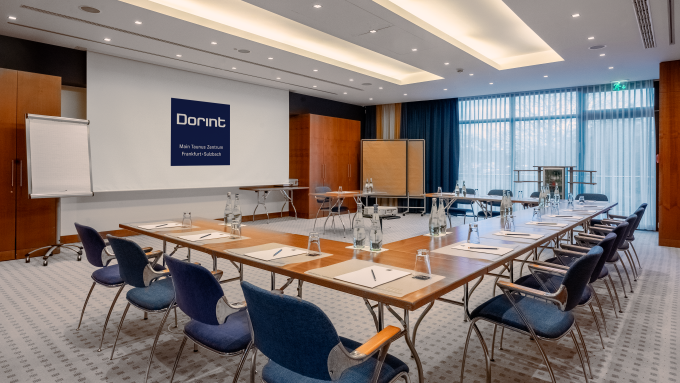
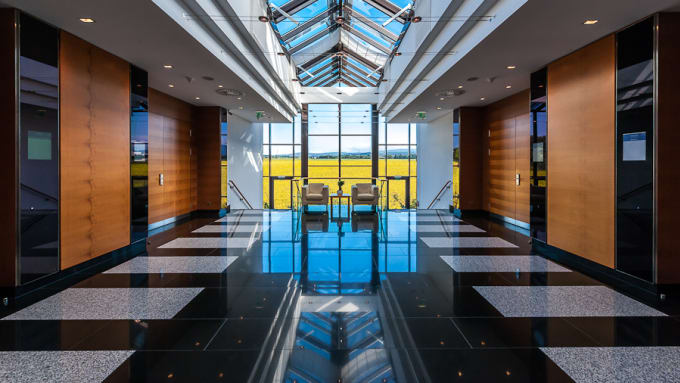


Thursday, 10.09.2026
09:00 am - 5:00 pm
Friday, 11.09.2026
09:00 am - 5:00 pm
- one joint lunch per full seminar day,
- Catering during breaks and
- extensive working documents.
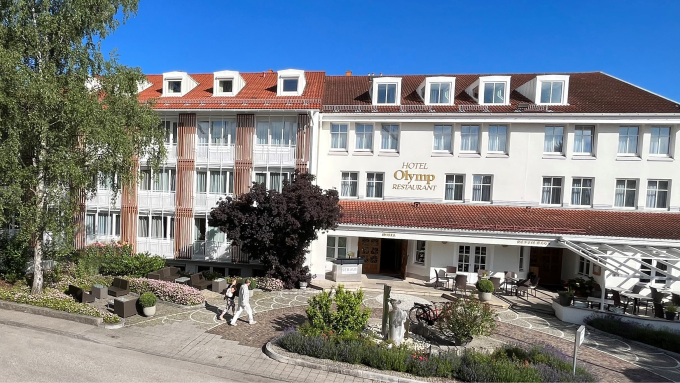

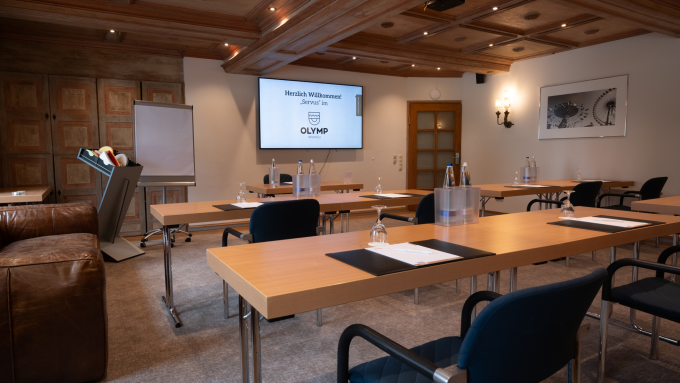
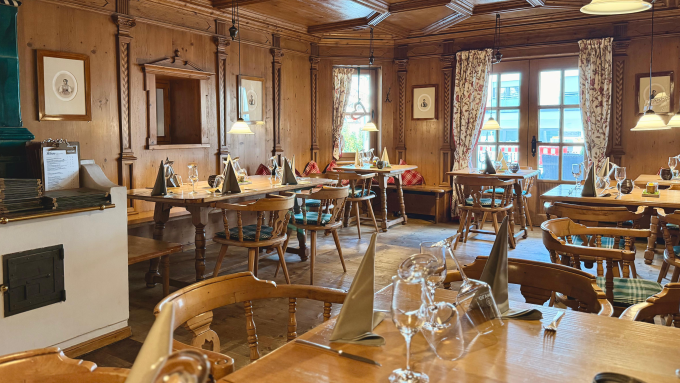



Tuesday, 09.03.2027
09:00 am - 5:00 pm
Wednesday, 10.03.2027
09:00 am - 5:00 pm
- one joint lunch per full seminar day,
- Catering during breaks and
- extensive working documents.
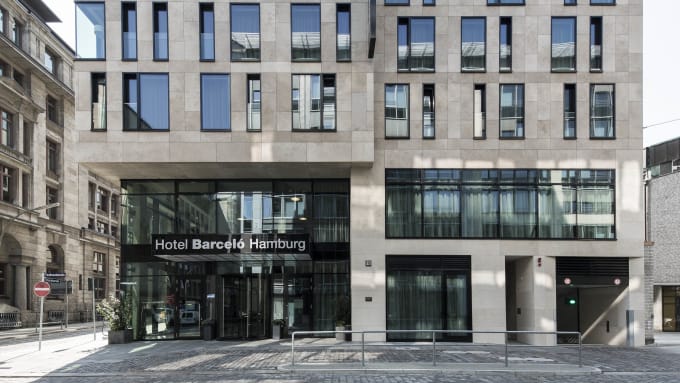

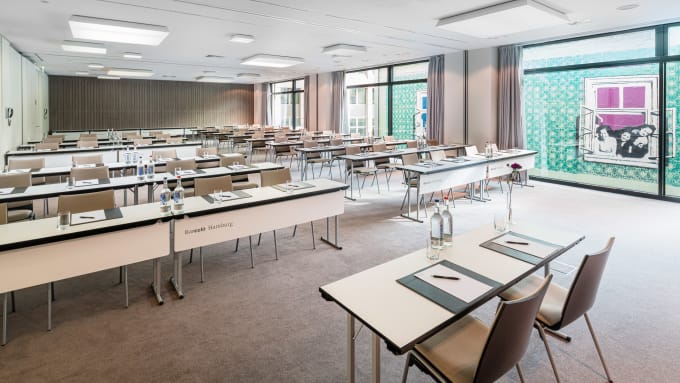


Tuesday, August 31, 2027
09:00 am - 5:00 pm
Wednesday, September 1, 2027
09:00 am - 5:00 pm
- one joint lunch per full seminar day,
- Catering during breaks and
- extensive working documents.
Training is guaranteed to take place- one joint lunch per full seminar day,
- Catering during breaks and
- extensive working documents.
- one joint lunch per full seminar day,
- Catering during breaks and
- extensive working documents.
You might also be interested in:
FAQs: Frequently Asked Questions About training Building Management training
A solid understanding of the fundamentals, interfaces, and core processes of technical building management is essential. In training , you training how operations and maintenance are organized and which tasks are relevant throughout a property’s lifecycle. This will enable you to better understand technical interrelationships in your daily work and make more informed decisions.
It is crucial to evaluate technical services not only based on cost, but also on benefits, quality, and long-term impact. This training you how to better assess operating and maintenance costs, optimize processes, and improve the cost-effectiveness of your properties. This will help you identify areas where savings can be made without compromising the performance of your buildings.
In training , you training which maintenance strategies are effective and how inspection, maintenance, repair, and improvement can be systematically coordinated. This will allow you to focus more on preserving value, ensuring predictability, and promoting sustainable management.
It’s important to strike the right balance between in-house work and outsourcing. In training which outsourcing strategies make sense, how to structure service specifications, and what’s important when it comes to service level agreements. This will help you define services more clearly, manage expectations effectively, and establish a more professional working relationship.
Effective incident management requires clear processes, defined responsibilities, and proper prioritization. This training you how operations and incident management are organized in practice and which tools are useful for this purpose. This will enable you to respond more quickly, identify root causes more effectively, and mitigate the impact of technical issues in a more targeted manner.
The life cycle is important because economic and technical decisions do not just have short-term effects; they influence operations over many years. In training , you training to take a more holistic view of buildings and technical systems and to evaluate measures not in isolation, but in the context of use, maintenance, and development. This allows for a better balance between cost, quality, and sustainability.
Software only delivers practical value when it is not merely available but is specifically used to support operations, maintenance, and documentation. This training you the added value of IPS and CAFM systems and help you assess the role of digital tools in technical building management more realistically. This will enable you to better determine where these systems can truly reduce your workload and increase transparency.
About us - The Haufe Akademie
Your optimizer, innovator and companion since 1978 -
Your professional partner for professional development and seminars, training courses and topical conferences.
Whether on site, live online or in-house - our customised solutions, our claim to the highest level of consulting expertise and training tailored to your needs simplify the acquisition of skills for the working world of the future and sustainably facilitate professional development.
A wide range of seminars, individual coaching and our flexible formats support HR managers and decision-makers in shaping the future and developing employees, in-house teams and companies.
Experience the benefits of online training from the comfort of your own home. Our online formats meet the highest quality standards and are in no way inferior to face-to-face events in terms of practical relevance. Learn together live online in interactive groups or digitally at a time of your choice.
Do you have any questions?
We are there for you Monday to Friday 8:00 a.m. - 5:00 p.m.

Questions & Answers
In our Questions & Answers (FAQ) section, you will find all the answers and the most frequently asked questions about your selected topic.

Munzinger Str. 9
79111 Freiburg

- Planning security
- Free seminar places
- Quality standards
- Planning and locations
- Funding opportunities
- Training app
- Business Solutions


