Sustainable project development in existing buildings
Opportunities and potential in the transformation of existing properties
 4.6
4.6
Contents
Definition and objectives, what are the drivers of revitalization?
- What is behind the term "revitalization"?
- ESG criteria.
- Participants.
- Areas of tension in the objectives: Owners vs. tenants.
- Approaches.
- Inventory analysis and methods.
- Root cause analysis.
- Visions and ideas.
- Influence of user wishes.
- Basic determination.
- Technical requirements.
- Building and planning law.
Potential analysis, opportunities and risks
- Needs analysis and demand planning.
- Feasibility studies and utilization concepts.
- Cost and profitability analysis.
- Legal framework and influences on the project.
Planning phases and the "special services"
- Studies and the HOAI service phases for building in existing structures.
- Design and sampling vs. yield.
- General planning/general contractor:in.
- Process and approval management.
- Building certifications.
- Construction cost management.
- Alternative raw materials and technologies.
Implementation phase
- Realization concept.
- Alternative raw materials and technologies
- Relocation management.
- Facility Management.
Operation & performance review
- Warranty tracking.
- View of your project.
Review and outlook
- Lessons learned - typical experiences.
- Trends and developments.
Learning environment
In your online learning environment, you will find useful information, downloads and extra services for this training course once you have registered.
Your benefit
- You will gain a comprehensive understanding of the concepts, challenges and solutions of sustainable project development in existing buildings.
- You will be familiarized with the latest trends and best practices to make your projects future-oriented and sustainable.
- You will learn practical methods and tools that will help you to successfully implement sustainable projects in existing buildings.
- You will be informed about new technologies and legal frameworks that are relevant to your projects.
- You will expand your specialist knowledge and strengthen your profile as a sustainable expert in the construction and real estate industry.
Methods
Trainer input, group and individual exercises, best-practice examples, work aids and checklists, discussion, exchange of experience.
Recommended for
Specialists and managers involved in repositioning, revitalization, conversion of existing properties and project developments in the process of developing and implementing future-oriented subsequent uses. Asset and portfolio managers, project developers, landlords, architects, real estate consultants/brokers.
Further recommendations for "Sustainable project development in existing buildings"
35371
Ratings and feedback from our participants

Start dates and details


Monday, 02.02.2026
09:00 am - 5:00 pm
Tuesday, 03.02.2026
09:00 am - 5:00 pm

Tuesday, 24.03.2026
09:00 am - 5:00 pm
Wednesday, 25.03.2026
09:00 am - 5:00 pm
- one joint lunch per full seminar day,
- Catering during breaks and
- extensive working documents.

Monday, 08.06.2026
09:00 am - 5:00 pm
Tuesday, 09.06.2026
09:00 am - 5:00 pm
- one joint lunch per full seminar day,
- Catering during breaks and
- extensive working documents.
Wednesday, 09.09.2026
09:00 am - 5:00 pm
Thursday, 10.09.2026
09:00 am - 5:00 pm
Training is guaranteed to take place- one joint lunch per full seminar day,
- Catering during breaks and
- extensive working documents.
FAQs: Frequently asked questions about training project development in existing buildings
This training ideal for professionals and managers who are involved in revitalization, conversion, or sustainable projects in existing buildings in the real estate industry and want to expand their expertise in these areas in a targeted manner.
You will gain a deep understanding of the methods, challenges, and approaches to sustainable project development in the existing real estate sector and will be able to apply this knowledge directly to your professional projects.
You will learn how ESG (environmental, social, and governance) criteria can be integrated into project decisions in order to achieve sustainable, economically viable results.
Architects benefit because content such as user requirements, potential analyses, and legal framework conditions are part of the program, which provides long-term support for the design and planning processes.
As an asset or portfolio manager, you will receive practical tools to identify, evaluate, and strategically manage sustainable project potential in your portfolio.
You will then be able to carry out targeted feasibility studies, better assess opportunities and risks, and implement sustainable concepts in your projects.
The training trainer input, best practice examples, exercises, and experience sharing, so you can take away practical skills and put them to use immediately.
You will gain insights into construction and planning law requirements as well as the service phases according to HOAI, which will help you make legally sound decisions.
The training you how alternative raw materials and technologies can be used to implement more sustainable building processes and achieve ecological goals.
With your expanded range of skills in sustainable project development, you will enhance your profile as a sought-after specialist who can implement sustainable and economically successful existing projects.
About us - The Haufe Akademie
Your optimizer, innovator and companion since 1978 -
Your professional partner for professional development and seminars, training courses and topical conferences.
Whether on site, live online or in-house - our customised solutions, our claim to the highest level of consulting expertise and training tailored to your needs simplify the acquisition of skills for the working world of the future and sustainably facilitate professional development.
A wide range of seminars, individual coaching and our flexible formats support HR managers and decision-makers in shaping the future and developing employees, in-house teams and companies.
Experience the benefits of online training from the comfort of your own home. Our online formats meet the highest quality standards and are in no way inferior to face-to-face events in terms of practical relevance. Learn together live online in interactive groups or digitally at a time of your choice.
Do you have any questions?
We are there for you Monday to Friday 8:00 a.m. - 5:00 p.m.

Questions & Answers
In our Questions & Answers (FAQ) section, you will find all the answers and the most frequently asked questions about your selected topic.

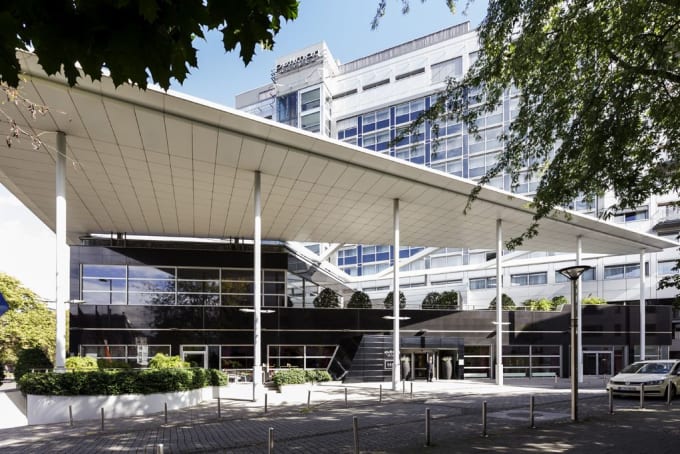
Munzinger Str. 9
79111 Freiburg

- Planning security
- Free seminar places
- Quality standards
- Planning and locations
- Funding opportunities
- Training app
- Business Solutions


