 4.3
4.3
Book 2 hours of individual coaching with your trainer.More info

This training is held in German.
High delivery readiness and a good level of service on the one hand and inventory optimization and cost savings on the other are key challenges of professional inventory management. This is becoming increasingly relevant, especially against the backdrop of a growing number of variants, increasing complexity and more difficult procurement markets.
The training provides practice-oriented basic knowledge to efficiently optimize inventories, reduce costs and minimize planning and scheduling efforts.
Contents
Successful training! Already over 500 satisfied participants.
Basics of inventory management
- Trends, definitions, contexts.
- Conflicting objectives in supply chain management, production and logistics.
- Objectives of SC projects; working capital management.
- Network planning in SC - multi-level storage systems.
Inventory management as an overarching operational function
- Objectives of inventory management, functions of inventories.
- Influence of inventories on the company result (working capital etc.).
- Causes of excessive stocks, exploit potential for improvement via range analysis.
- Key factors influencing inventory management: organization, processes, master data, IT, etc.
Inventory analyses
- Basic stock analyses.
- Article classification as the basis for a differentiated, dynamic disposition (ABC/XYZ).
- Process management and key logistics processes in the company.
Monitoring and controlling inventories - important key figures
- Service, procurement and inventory key figures: On time delivery, stock turnover, readiness to deliver, forecast accuracy, etc.
Optimize inventory – Reduce costs
- Assortment management.
- Improve planning quality: from sales forecast to IT-supported sales forecast.
- Methods of determining demand: gross/net demand, deterministic, stochastic planning.
- Supply strategies: make to order, order to order, make to stock, etc.
- Differentiated, dynamic replenishment: classification of stocks using volume variability analysis (ABC/XYZ), dynamic calculation of safety stocks and order points, determination of optimum order quantities, etc.
- Special: Missing parts management in mechanical and plant engineering.
Special: Tried and tested software use in scheduling
Process automation as a driver of digital transformation
- Automation and optimization of procurement processes.
- Optimal integration of suppliers.
- Consignment warehouse, C-parts management, VMI (Vendor Managed Inventory).
- The 8 megatrends in logistics.
Inventory optimization in production
- Factors influencing production on inventories: set-up times, batch sizes, Kanban control.
- Inventory management in the maintenance area.
Developing an activity plan for your practice
Learning environment
In your online learning environment, you will find useful information, downloads and extra services for this training course once you have registered.
Your benefit
This training provides the basic knowledge for effective and efficient inventory management. The objectives include:
- optimizing stock levels and minimizing administrative work,
- the reduction of costs,
- improving the level of service (first-time fix rate and waiting time),
- the reduction of missing parts,
- increasing transparency in inventory management and
- understanding of interrelationships and conflicting objectives.
Methods
Interactive training with trainer input, exercises, practical and best-practice examples, practical simulation, discussion and exchange of experience.
Recommended for
Specialists and managers from purchasing, scheduling, logistics, production and supply chain management who want to learn how to plan correctly, schedule efficiently and optimize inventories. For attendees who want to build a solid foundation for their specialist knowledge in this area.
Questions about the seminar content
High delivery readiness and lean inventory levels are often in direct conflict in day-to-day operations. This training this very conflict of objectives tangible. You’ll gain a better understanding of how inventory optimization, service levels, and cost reduction are interconnected, and what matters when inventory needs to be not only reduced but also professionally safeguarded. This will help you make more balanced decisions in inventory management and identify undesirable trends earlier.
Excess inventory rarely occurs by chance; rather, it is usually the result of a combination of organizational, procedural, and data-related factors. This training understand the factors that influence inventory management and how to identify opportunities for improvement—for example, through range analyses. This will give you a clearer picture of where to focus your efforts to improve inventory levels not just in the short term, but systematically.
Missing parts are often the result of inadequate planning, inappropriate inventory parameters, or a lack of transparency. training clearly training how improving service levels, reducing missing parts, and cost-effective inventory planning can be combined. This includes, among other things, the dynamic calculation of safety stock and reorder points, as well as a special section on missing parts management in mechanical and plant engineering. This will help you better assess how to balance supply reliability and cost-effectiveness.
Inventory levels are influenced not only by planning decisions, but also by the quality of the underlying processes and data. This training clearly training this connection. You’ll explore key influencing factors such as organization, processes, master data, and IT, which will help you better understand why inventory issues often run deeper than just the operational level. This is particularly helpful when you need to identify root causes across different departments within the company.
In training , you training how to optimize procurement processes and suppliers integrate suppliers into an efficient inventory strategy. This includes concepts such as consignment stock, C-part management, and vendor-managed inventory. This will give you a better understanding of how to improve inventory management not only internally but also throughout the entire supply chain.
In this training , you training an action plan training a concrete foundation for implementation in your own work environment. This ensures that the training goes beyond general ideas; instead, you will identify specific next steps for your practice. This will help you set priorities more clearly and systematically apply what you’ve learned to your daily work.
On-site training together
Booking number
9687
9687
€ 1.390,-
plus VAT
2 days
in 3 locations
3 Events
German
Joint online training
Train several employees
Price upon request
2 days
In-person or Online
Appointment scheduled on an individual basis
- Customized training courses
- Direct application in practice
- Efficient use of time and resources
100% non-binding inquiry
Feedback within 24 hours
Or schedule an appointment and get personalized advice

Further recommendations for "Inventory management and disposition"
You might also be interested in:
Loading recommendations
Ratings and feedback from our participants
4.3

500
reviews
training content:
4.2
Content comprehensibility:
4.3
Practical relevance:
3.9
Trainer expertise:
4.8
Participant orientation:
4.3
Method variety:
4.2
Start dates and details
13.07.2026
Live-Online

Booking number:
32024
€ 1.390,- plus VAT.
€ 1,654.10 incl. VAT.
Course

zoom
Days & Times
2 days
Monday, 13.07.2026
09:00 am - 5:00 pm
Tuesday, 14.07.2026
09:00 am - 5:00 pm
Transfer coaching bookable
2 hours of transfer coaching - live and online with your trainer ensures that you can put what you have learnt into practice in your day-to-day work.
If you book at the same time as your training, you save 10 % on the price of the transfer coaching of € 390,- excl.
17.09.2026
Cologne
Booking number:
9687
€ 1.390,- plus VAT.
€ 1,654.10 incl. VAT.
Venue
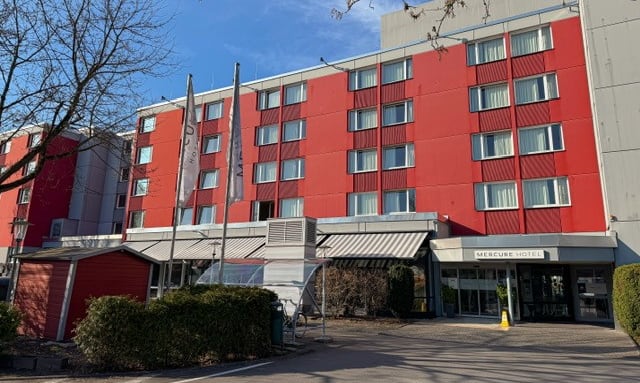

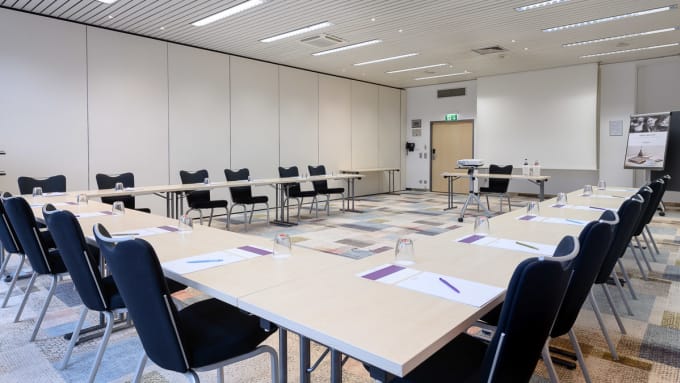




Arrival via Deutsche Bahn
Travel at reduced rates by booking via the learning environment.

Days & Times
2 days
Thursday, 17.09.2026
09:00 am - 5:00 pm
Friday, 18.09.2026
09:00 am - 5:00 pm
Fee includes
The participation fee includes
- one joint lunch per full seminar day,
- Catering during breaks and
- extensive working documents.
Transfer coaching bookable
2 hours of transfer coaching - live and online with your trainer ensures that you can put what you have learnt into practice in your day-to-day work.
If you book at the same time as your training, you save 10 % on the price of the transfer coaching of € 390,- excl.
12.10.2026
Live-Online

Booking number:
32024
€ 1.390,- plus VAT.
€ 1,654.10 incl. VAT.
Course
zoom
Days & Times
2 days
Monday, 12.10.2026
09:00 am - 5:00 pm
Tuesday, 13.10.2026
09:00 am - 5:00 pm
Transfer coaching bookable
2 hours of transfer coaching - live and online with your trainer ensures that you can put what you have learnt into practice in your day-to-day work.
If you book at the same time as your training, you save 10 % on the price of the transfer coaching of € 390,- excl.
26.11.2026
Munich
Booking number:
9687
€ 1.390,- plus VAT.
€ 1,654.10 incl. VAT.
Venue


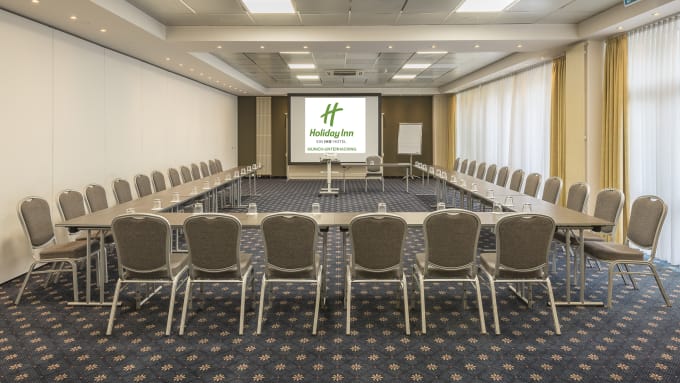




Arrival via Deutsche Bahn
Travel at reduced rates by booking via the learning environment.
Days & Times
2 days
Thursday, 26.11.2026
09:00 am - 5:00 pm
Friday, 27.11.2026
09:00 am - 5:00 pm
Fee includes
The participation fee includes
- one joint lunch per full seminar day,
- Catering during breaks and
- extensive working documents.
Transfer coaching bookable
2 hours of transfer coaching - live and online with your trainer ensures that you can put what you have learnt into practice in your day-to-day work.
If you book at the same time as your training, you save 10 % on the price of the transfer coaching of € 390,- excl.
24.02.2027
Hamburg/Finkenwerder
Booking number:
9687
€ 1.390,- plus VAT.
€ 1,654.10 incl. VAT.
Venue


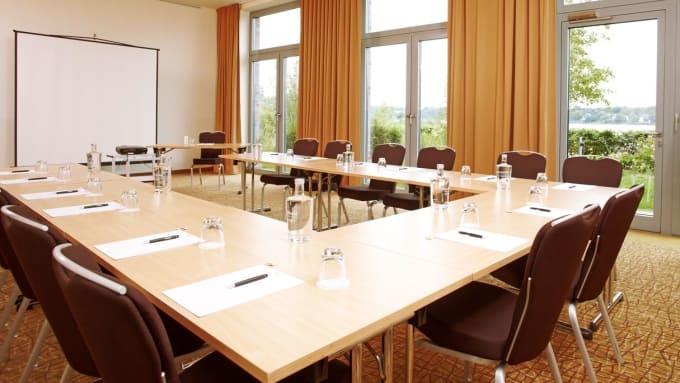




Arrival via Deutsche Bahn
Travel at reduced rates by booking via the learning environment.
Days & Times
2 days
Wednesday, 24.02.2027
09:00 am - 5:00 pm
Thursday, 25.02.2027
09:00 am - 5:00 pm
Fee includes
The participation fee includes
- one joint lunch per full seminar day,
- Catering during breaks and
- extensive working documents.
Transfer coaching bookable
2 hours of transfer coaching - live and online with your trainer ensures that you can put what you have learnt into practice in your day-to-day work.
If you book at the same time as your training, you save 10 % on the price of the transfer coaching of € 390,- excl.
08.03.2027
Live-Online
Booking number:
32024
€ 1.390,- plus VAT.
€ 1,654.10 incl. VAT.
Course
zoom
Days & Times
2 days
Monday, 08.03.2027
09:00 am - 5:00 pm
Tuesday, 09.03.2027
09:00 am - 5:00 pm
Transfer coaching bookable
2 hours of transfer coaching - live and online with your trainer ensures that you can put what you have learnt into practice in your day-to-day work.
If you book at the same time as your training, you save 10 % on the price of the transfer coaching of € 390,- excl.
Training is guaranteed to take placeThe next booking ensures this course will take place
Booking number:
9687
€ 1.390,- plus VAT.
€ 1,654.10 incl. VAT.
Plan course
2 days
Fee includes
The participation fee includes
- one joint lunch per full seminar day,
- Catering during breaks and
- extensive working documents.
Transfer coaching bookable
2 hours of transfer coaching - live and online with your trainer ensures that you can put what you have learnt into practice in your day-to-day work.
If you book at the same time as your training, you save 10 % on the price of the transfer coaching of € 390,- excl.
Booking number:
32024
€ 1.390,- plus VAT.
€ 1,654.10 incl. VAT.
Plan course
2 days
Transfer coaching bookable
2 hours of transfer coaching - live and online with your trainer ensures that you can put what you have learnt into practice in your day-to-day work.
If you book at the same time as your training, you save 10 % on the price of the transfer coaching of € 390,- excl.
No suitable date?
You are welcome to be notified by e-mail as soon as new dates are released.
Please note: We use third-party tools for selected events. Personal data of the participant will be passed on to them for the implementation of the training offer. You can find more information in our privacy policy.
About us - The Haufe Akademie
Your optimizer, innovator and companion since 1978 -
Your professional partner for professional development and seminars, training courses and topical conferences.
Whether on site, live online or in-house - our customised solutions, our claim to the highest level of consulting expertise and training tailored to your needs simplify the acquisition of skills for the working world of the future and sustainably facilitate professional development.
A wide range of seminars, individual coaching and our flexible formats support HR managers and decision-makers in shaping the future and developing employees, in-house teams and companies.
Experience the benefits of online training from the comfort of your own home. Our online formats meet the highest quality standards and are in no way inferior to face-to-face events in terms of practical relevance. Learn together live online in interactive groups or digitally at a time of your choice.
3,500+ further training
620,000+ apprentices per year
Over 95% positive reviews
2,600+ trainers and coaches
18,000+ training courses held per year
Call us or send an email
Do you have any questions?
We are there for you Monday to Friday 8:00 a.m. - 5:00 p.m.

*Mandatory fields
FAQs
Questions & Answers
In our Questions & Answers (FAQ) section, you will find all the answers and the most frequently asked questions about your selected topic.

Haufe Akademie GmbH & Co. KG
Munzinger Str. 9
79111 Freiburg
Munzinger Str. 9
79111 Freiburg
A brand of

The company
About our offer
- Planning security
- Free seminar places
- Quality standards
- Planning and locations
- Funding opportunities
- Training app
- Business Solutions
Special offers
Contact & Support


