All learning materials at a glance
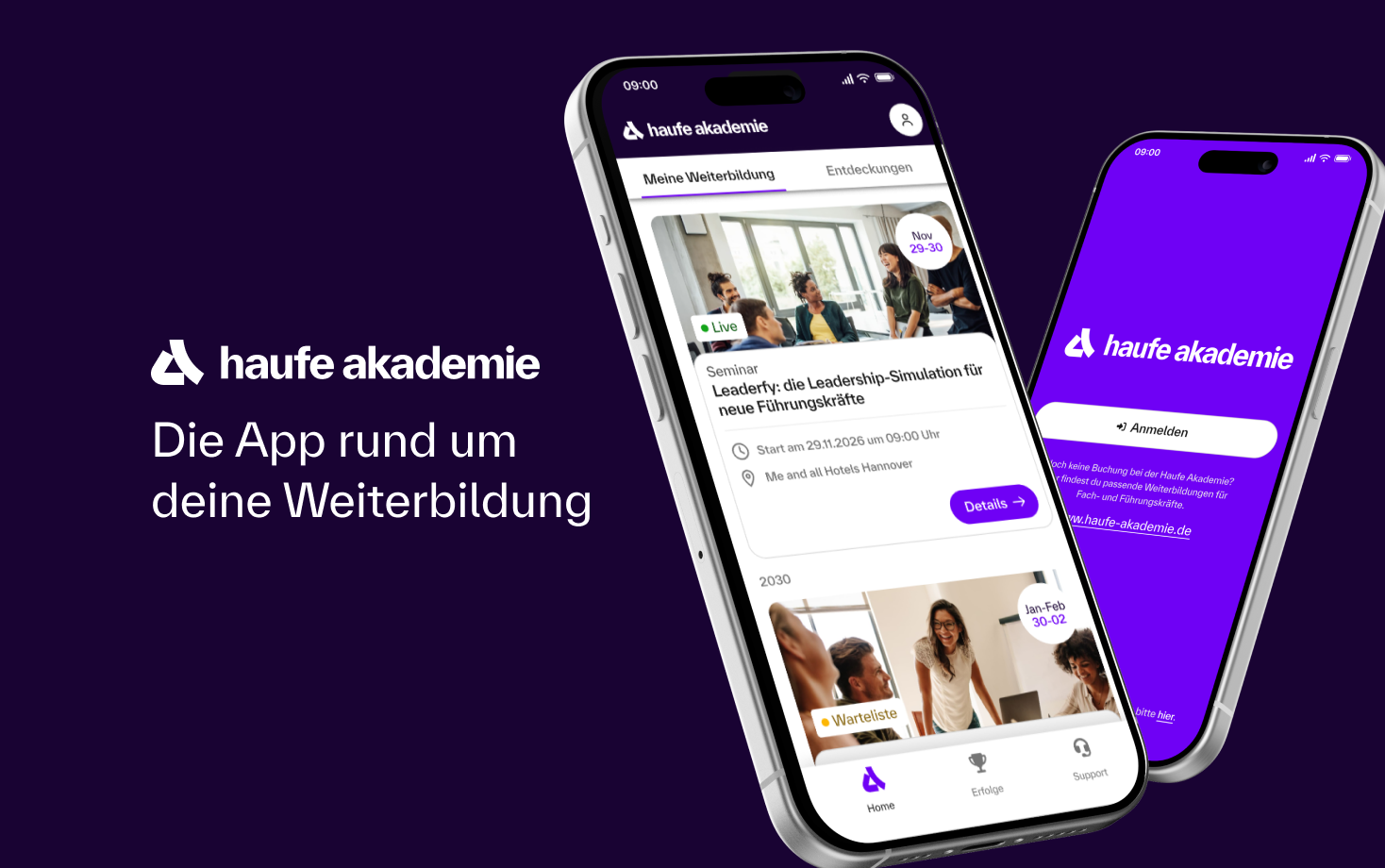
Once you have registered, you will find all relevant information, services, and course materials for your program in your app or online learning environment.

WEG legal bases
Preparation and organization of an owners' meeting
Opening and conduct of the meeting
Methodical implementation of the owners' meeting
Important information on the topic
Interesting court rulings
In your online learning environment, you will find useful information, downloads and extra services for this training course once you have registered.
Further training in accordance with MaBV.
Best-practice examples, trainer input, work aids and checklists, discussion, exchange of experience.
Condominium administrators, clerks, newcomers to the condominium sector, property developers, estate agents, employees of lawyers, tax consultants, banks, insurance companies, condominium management councils and owners.
Wednesday, 18.11.2026
09:00 am - 12:00 pm
Tuesday, April 13, 2027
09:00 am - 12:00 pm
In training how to systematically plan and professionally organize homeowners’ association meetings. Topics covered include the agenda, invitations, meeting materials, and typical procedures during the meeting. This will help you prepare for these processes more effectively and reduce uncertainty in advance.
In training , you training the key legal principles governing ownership structures, the rights and obligations of condominium owners, and the management of condominium properties. This will give you a better understanding of the rules governing voting rights, powers of attorney, and decision-making. It will help you prepare for owners’ meetings with greater confidence, conduct them more professionally, and avoid legal mistakes.
You’ll learn how to open homeowners’ association meetings in a structured manner, guide discussions in a focused way, and manage the meeting schedule professionally. You’ll also discover which common time-wasters unnecessarily prolong meetings and how to identify and avoid them early on. This will enable you to conduct meetings more efficiently while moderating them with greater confidence.
Checklists help you keep track of important organizational and legal matters. In training , you training how to use these tools effectively to better structure your workflows and avoid common mistakes.
You’ll learn practical techniques for handling difficult conversations, gain confidence in managing stage fright, and develop greater self-assurance in your role as a property manager. You’ll also learn what matters most when it comes to reelection, appointment, and property management contracts. This will enable you to chair homeowners’ meetings more professionally and strengthen your position property owners.
By combining legal expertise, methodological tools, and practical communication techniques, you’ll gain greater confidence in leading homeowners’ association meetings. You’ll be able to act in a more structured manner, resolve difficult situations with greater poise, and support homeowners’ associations more professionally. This will enhance your impact and strengthen your professional expertise.
Your optimizer, innovator and companion since 1978 -
Your professional partner for professional development and seminars, training courses and topical conferences.
Whether on site, live online or in-house - our customised solutions, our claim to the highest level of consulting expertise and training tailored to your needs simplify the acquisition of skills for the working world of the future and sustainably facilitate professional development.
A wide range of seminars, individual coaching and our flexible formats support HR managers and decision-makers in shaping the future and developing employees, in-house teams and companies.
Experience the benefits of online training from the comfort of your own home. Our online formats meet the highest quality standards and are in no way inferior to face-to-face events in terms of practical relevance. Learn together live online in interactive groups or digitally at a time of your choice.
We are there for you Monday to Friday 8:00 a.m. - 5:00 p.m.
In our Questions & Answers (FAQ) section, you will find all the answers and the most frequently asked questions about your selected topic.