Successful at trade shows: Inspire visitors and make a convincing impression
Your trade fair training for communication, customer conversations, and professional presentation

Successful at trade shows: Understanding goals, expectations, and your own role
- What is the purpose of a trade fair?
- Role of trade fair staff—what is my job, what is expected of me?
- Goals of the trade fair: Company goals and my personal goals.
- What are my own mental barriers?
- What do trade fair visitors expect?
- Differences: Visitors vs. Prospective customers vs. decision makers.
visitor contacts
- How do I start a conversation?
- What are typical mistakes and how can I avoid them?
Making a successful first contact
- The effect of body language, open, positive facial expressions, and gestures facilitate positive initial contacts.
- Decision window: how long do I have before the evaluation is made based on sympathy or antipathy, and how can I influence this time window?
- Conversation starters that spark curiosity and interest.
- Steer conversations and use the right questioning techniques to determine needs.
Determining demand at the trade fair
- Identify needs, summarize them, and match them with my offer.
- Active listening: How do I obtain the right information for my line of argument?
Elevator pitch at a trade fair
- 30–60–90-second presentation.
- Presenting my company/product.
- Create a structured pitch so that it contains everything my counterpart needs to know, in the right order.
Communication
- Target group-oriented communication: Who are my visitors and how can I establish quick access?
- Conversation techniques: How do I structure a conversation, identify potential, and conclude?
- Handling objections: What to do when things don't go as planned?
Collecting typical objections – brainstorming.
A targeted method for identifying my counterpart's concerns and finding the right arguments. - Selling at trade shows—what does that really mean?
- How do I establish a sales circle?
- end of conversation
Collaboration with colleagues the trade fair booth
- Team roles at the trade fair booth – what role do I take on, what colleagues do my colleagues take on?
- Understand and observe trade fair and team dynamics.
- Mood barometer – how can I keep motivation high and actively engage visitors throughout the day?
My personal action plan
In your online learning environment, you will find useful information, downloads and extra services for this training course once you have registered.
- You will learn how to actively approach visitors, identify their needs, and respond to their wishes in a targeted manner.
- You come across as confident, authentic, and trade fair-ready.
- You present your company or products clearly and convincingly—even if you have no sales experience.
- You can generate initial contacts.
- You know how to work effectively with your colleagues the booth.
- You feel up to the specific requirements of the trade fair and appear with greater self-confidence.
The training course is based on a balanced mix of practical individual and group exercises, role-plays, simulations of customer conversations, reflection and feedback, as well as practical tips, discussion, and the exchange of experiences.
Specialists and (junior) managers, product managers, engineers, developers all employees who want to review and optimize their communication skills, presentation, and behavior at the trade fair stand.

Questions about the seminar content
This training you how to connect more easily with others through an open attitude, positive body language, and appropriate conversation starters. Especially if you don’t work in sales every day, having a clear framework will help you present yourself with more confidence—not just to “approach” visitors, but to spark genuine interest. You’ll also learn to interpret initial signals correctly, overcome inhibitions, and start conversations in a way that encourages the other person to engage willingly.
At a trade show, visitors often decide within a short amount of time whether to stop or keep walking. This training therefore training you training aware of how your facial expressions, gestures, eye contact, and posture come across to others. You’ll also learn how to project openness, competence, and a willingness to engage in conversation—even when the trade show day is long or you’re feeling tense inside. This strengthens your professional presence and increases the chance that casual encounters will turn into meaningful conversations.
In training , you training viewing objections not as interruptions, but as indications of unanswered questions or concerns. You’ll also learn to calmly ask follow-up questions, identify the underlying concern, and tailor your argument accordingly. This is especially helpful in situations where visitors react skeptically, question prices, or draw comparisons with competitors. Instead of improvising on the spot, you’ll learn methods for responding in a factual, respectful, and persuasive manner.
When everyone knows their role, the booth appears more organized and professional to visitors. This training collaboration within the trade show team and clarifies which roles are needed at the booth. This will help you better understand who on the team actively engages with visitors, who delves into technical questions, who documents contacts, and how to ensure a smooth handoff. For you, this means less friction, less duplication of effort, and a more professional public image.
Working at a trade show is exhausting because you have to stay alert, friendly, and communicative for many hours. This training you better understand the dynamics at the booth and use your energy more consciously. You’ll learn how to build team spirit, how to keep motivation high, and how to continue actively engaging with visitors even after many conversations. This boosts your stamina and ensures that the quality of your conversations isn’t left to chance.
- Customized training courses
- Direct application in practice
- Efficient use of time and resources
Further recommendations for "Successful at trade shows: Inspire visitors and make a convincing impression"
Start dates and details
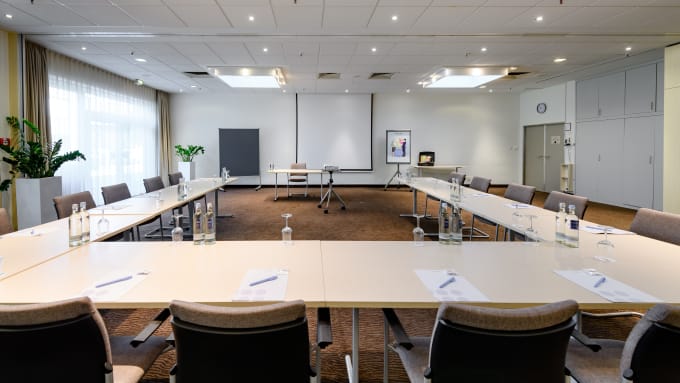
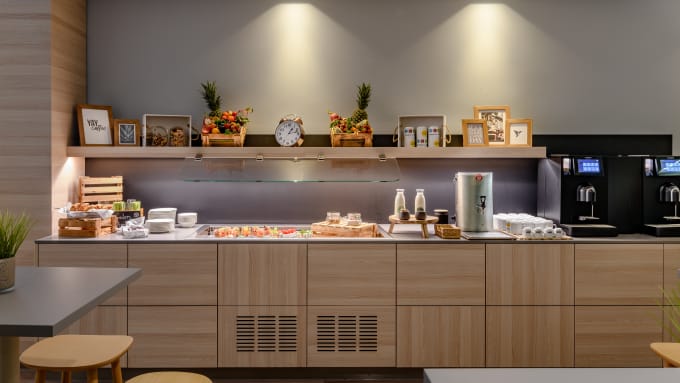
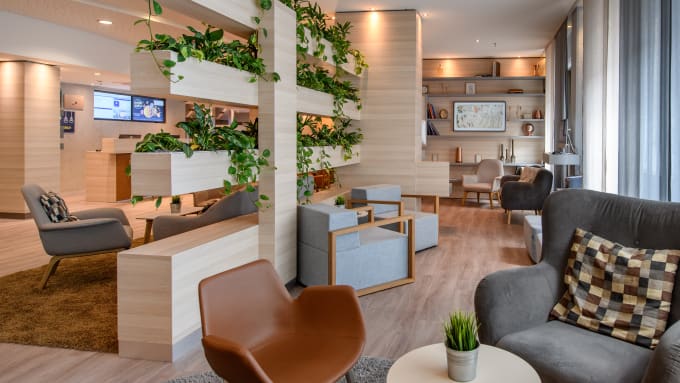


Tuesday, June 8, 2027
09:00 am - 5:30 pm
Wednesday, June 9, 2027
09:00 am - 5:30 pm
- one joint lunch per full seminar day,
- Catering during breaks and
- extensive working documents.

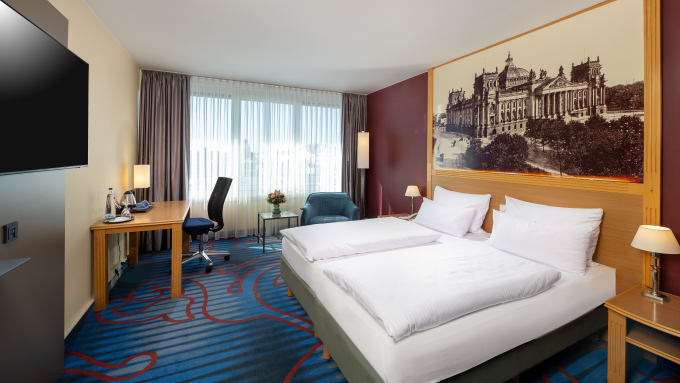


Monday, September 27, 2027
09:00 am - 5:30 pm
Tuesday, September 28, 2027
09:00 am - 5:30 pm
- one joint lunch per full seminar day,
- Catering during breaks and
- extensive working documents.
- one joint lunch per full seminar day,
- Catering during breaks and
- extensive working documents.
- one joint lunch per full seminar day,
- Catering during breaks and
- extensive working documents.
You might also be interested in:
About us - The Haufe Akademie
Your optimizer, innovator and companion since 1978 -
Your professional partner for professional development and seminars, training courses and topical conferences.
Whether on site, live online or in-house - our customised solutions, our claim to the highest level of consulting expertise and training tailored to your needs simplify the acquisition of skills for the working world of the future and sustainably facilitate professional development.
A wide range of seminars, individual coaching and our flexible formats support HR managers and decision-makers in shaping the future and developing employees, in-house teams and companies.
Experience the benefits of online training from the comfort of your own home. Our online formats meet the highest quality standards and are in no way inferior to face-to-face events in terms of practical relevance. Learn together live online in interactive groups or digitally at a time of your choice.
Do you have any questions?
We are there for you Monday to Friday 8:00 a.m. - 5:00 p.m.

Questions & Answers
In our Questions & Answers (FAQ) section, you will find all the answers and the most frequently asked questions about your selected topic.

Munzinger Str. 9
79111 Freiburg

- Planning security
- Free seminar places
- Quality standards
- Planning and locations
- Funding opportunities
- Training app
- Business Solutions


