Practical workshop Inspiring presentations and keynotes
For all those who want to move and inspire
 4.1
4.1
Lecture type and style
- Which type: lecture, edutainment or keynote?
- Entertainer, motivator, ambassador - what type of speaker are you?
Structure and dramaturgy
- The 4 big points of excellent presentations and keynotes.
- Create a direction plan, dramaturgy and tension curve.
- Select and anchor the common thread and core messages.
Content and "hooks"
- What content works?
- The 9 secret codes of an impressive presentation.
- Suitable "hooks" for an ingenious opening and attention in the first 10 seconds.
- Creating real wow moments.
Techniques and methods
- Triggers and psychological hacks for a real presentation highlight: The "Hook & Hold Method", the "Silent Technique" and the ordering technique such as the "Twist in the Tail" method set effective accents, focus the audience's attention and anchor the messages.
- Find and incorporate the 3 "diamonds" of a presentation.
- Place call-to-actions in the presentation.
- Smart effects and clever triggers.
- The "5-second rule" and "90-second challenge".
Body language and presence
- What body language and gestures are effective?
- Tricks and strategies show presence and demonstrate sovereignty.
Interaction with the audience
- Interacting with the audience - should I do it and how?
- Avoid strategic mistakes.
Dealing with challenging situations
- SOS tricks for unexpected moments.
- Disruptors, technical failures and how you can make them the highlight of your presentation.
Tops and flops for slides, flipcharts, utensils and aids.
In your online learning environment, you will find useful information, downloads and extra services for this training course once you have registered.
The attendees
- can inspire people with ideas, products or visions.
- gain persuasive power and presentation skills and achieve the "memory effect".
- transform complex or "dry" topics into gripping stories and arouse emotions.
- receive techniques for spontaneity and confidence in any situation.
- practise techniques for a confident and self-assured appearance.
- communicate clearly and precisely and get to the heart of the matter.
- develop their charismatic presence and impact to captivate with voice, gestures and facial expressions.
- know the points to generate customer trust and credibility.
- take the listener's perspective and understand what their audience really needs.
- know the success factors of structure, clear argumentation and logic.
- can transfer the newly acquired knowledge and skills to other situations such as meetings and negotiations.
Expert input, best practice examples, live performances, individual and group exercises, exercise sequences with feedback from attendees personalized tips.
Specialists and managers who want to speak confidently both within the company and in public, as well as junior managers who want to prepare for new representative tasks. The workshop is also suitable for sales employees, sales managers, key account managers, product presenters and promoters.

Questions about the seminar content
The opening moments of a presentation play a crucial role in determining whether your audience will pay close attention. Especially when speaking to customers, employees, executives, or a larger audience, you need an opening that sparks interest while also aligning with your message. In the “ training ” (The Art of Opening), you’ll learn about various options for effective openings and so-called “hooks.” You’ll explore how to deliberately capture attention, build suspense, and quickly engage your audience with your topic. This way, even with challenging or seemingly dry content, you can craft an opening that sparks curiosity and sticks in people’s minds.
A compelling presentation isn’t just about good content. What really matters is how you select, structure, and convey that content. In the “ training ” course, you’ll learn about the key factors for successful presentations and explore dramaturgy, suspense, core messages, and strategically placed highlights. In the process, you’ll develop a better sense of which content is truly relevant to your audience. At the same time, you’ll learn how to position key points so that they’re not only understood but also remembered for as long as possible. This will help you, for example, during presentations to clients, internal decision-making meetings, or public appearances.
A strong central theme helps you organize your thoughts and provide your audience with direction. That’s why the “ training ” course focuses intensively on structure, dramaturgy, and creating a meaningful arc of suspense. You’ll learn to select your key points, set priorities, and effectively drive home your core messages. A director’s plan helps you view the flow of your presentation from the audience’s perspective even during the preparation phase. This also gives you greater confidence during your presentation because you’ll know exactly which message you want to convey at each point.
Technical glitches, challenging follow-up questions, or other unexpected situations cannot be completely avoided, even with thorough preparation. That’s why how you react in those moments is crucial. In the “ training ” (Mastering Unexpected Situations), you’ll learn specific strategies that will allow you to act spontaneously and maintain your composure. It’s not just about getting through difficulties as unobtrusively as possible. You’ll also explore how to skillfully address unexpected situations and even use them to your advantage during your presentation. This will boost your confidence and help you remain composed and credible, even under pressure.
Interaction can make a presentation more engaging and help your audience feel more connected to it. However, it should be appropriate for your goal, your topic, and the situation at hand. In the “ training,” you’ll learn when actively engaging the audience is appropriate and how to structure these interactions effectively. At the same time, you’ll address common mistakes that can arise during Q&A sessions, spontaneous participation, or other forms of interaction. This will help you better assess which form of participation supports your message and how to remain composed even when faced with unexpected reactions.
- Customized training courses
- Direct application in practice
- Efficient use of time and resources
Further recommendations for "Practical workshop on inspiring presentations and keynotes"
Ratings and feedback from our participants

Start dates and details


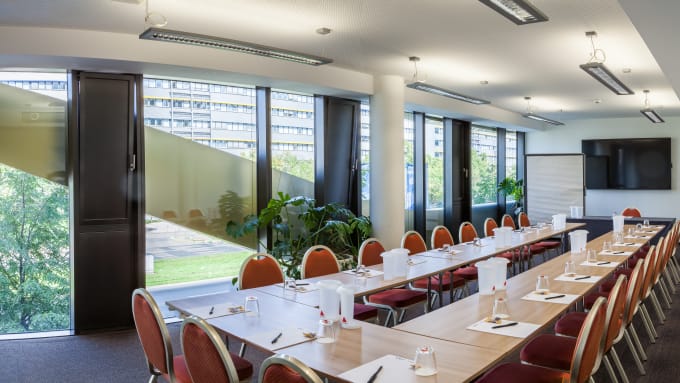





Wednesday, 24.02.2027
09:00 am - 5:30 pm
Thursday, 25.02.2027
09:00 am - 5:00 pm
- one joint lunch per full seminar day,
- Catering during breaks and
- extensive working documents.


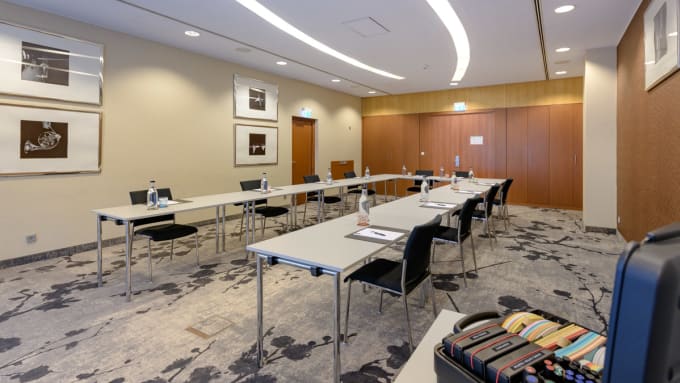

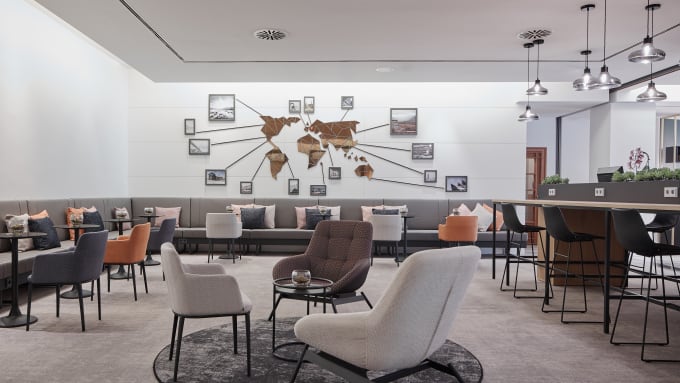


Tuesday, June 15, 2027
09:00 am - 5:30 pm
Wednesday, June 16, 2027
09:00 am - 5:00 pm
- one joint lunch per full seminar day,
- Catering during breaks and
- extensive working documents.


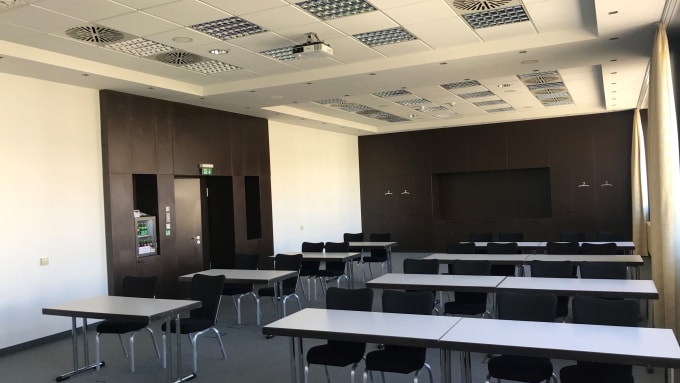




Monday, September 13, 2027
09:00 am - 5:30 pm
Tuesday, September 14, 2027
09:00 am - 5:00 pm
- one joint lunch per full seminar day,
- Catering during breaks and
- extensive working documents.
- one joint lunch per full seminar day,
- Catering during breaks and
- extensive working documents.
- one joint lunch per full seminar day,
- Catering during breaks and
- extensive working documents.
You might also be interested in:
About us - The Haufe Akademie
Your optimizer, innovator and companion since 1978 -
Your professional partner for professional development and seminars, training courses and topical conferences.
Whether on site, live online or in-house - our customised solutions, our claim to the highest level of consulting expertise and training tailored to your needs simplify the acquisition of skills for the working world of the future and sustainably facilitate professional development.
A wide range of seminars, individual coaching and our flexible formats support HR managers and decision-makers in shaping the future and developing employees, in-house teams and companies.
Experience the benefits of online training from the comfort of your own home. Our online formats meet the highest quality standards and are in no way inferior to face-to-face events in terms of practical relevance. Learn together live online in interactive groups or digitally at a time of your choice.
Do you have any questions?
We are there for you Monday to Friday 8:00 a.m. - 5:00 p.m.

Questions & Answers
In our Questions & Answers (FAQ) section, you will find all the answers and the most frequently asked questions about your selected topic.

Munzinger Str. 9
79111 Freiburg


- Planning security
- Free seminar places
- Quality standards
- Planning and locations
- Funding opportunities
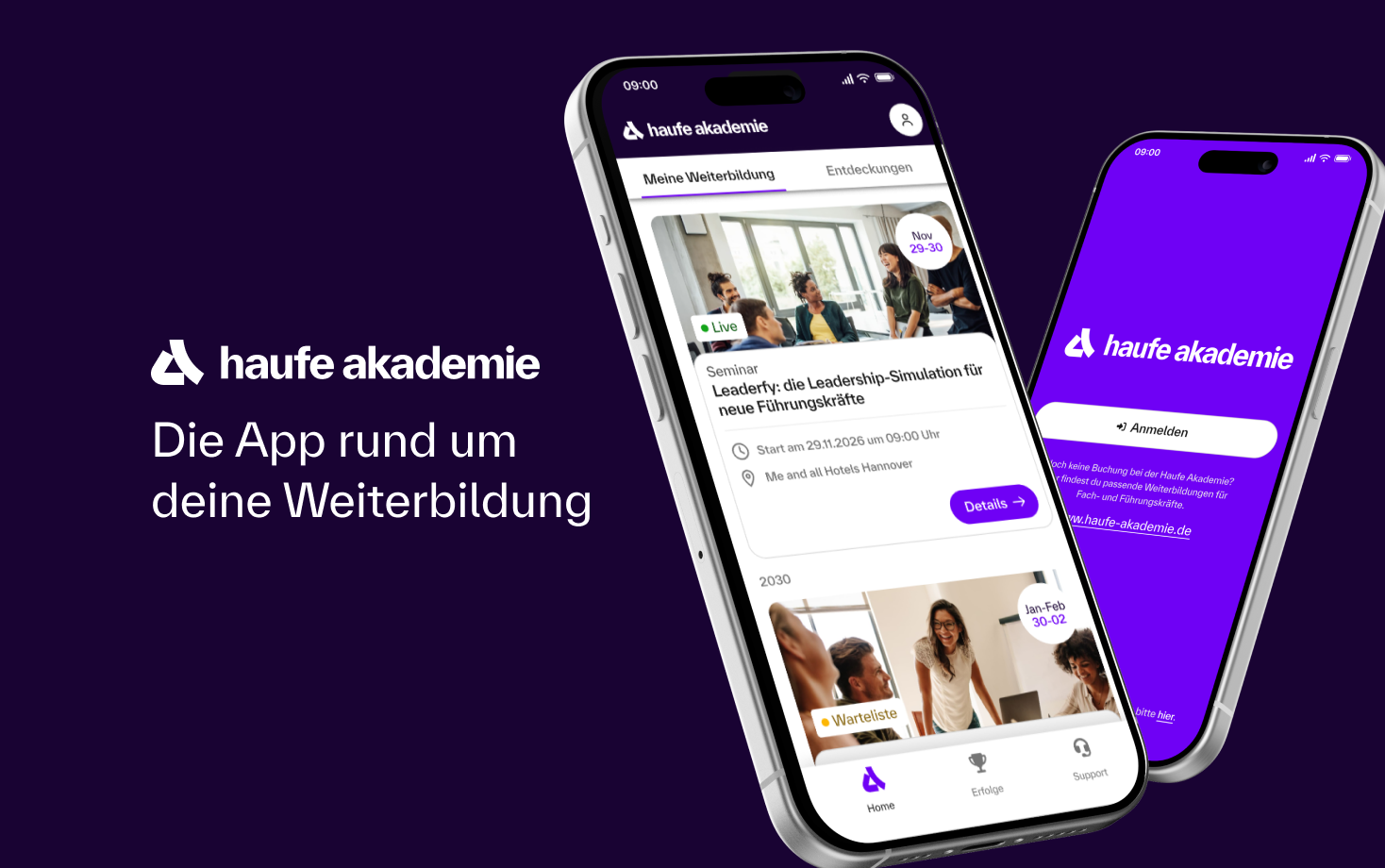
- Training app
- Business Solutions


