Managing projects successfully
Control over time, costs & quality for ongoing projects
 4.5
4.5
Basic knowledge of project management is assumed - the process groups, project initiation and project planning are not taught in depth in this training .
Introduction to project management
- The importance of project management - and what needs to be considered.
- How good planning is the basis for successful project management.
- How to combine different aspects of control in a meaningful way.
Managing risks
- Recognize early warning signs and manage the risk.
- Maintain and document risk overview.
Tasks and instruments of project management
- Check and adapt the project regularly.
- Recognize weak points.
- Control objectives, quality and changes (change requests).
- Measure progress and create forecasts, e.g. via milestones, trend analyses and costs.
- Earned value analysis: How much was achieved - with what effort?
- Keeping time, budget and results under control.
- Leading and integrating teams in a meaningful way.
Reporting - information and documentation
- Organize meetings effectively and efficiently.
- Systematically build up the documentation.
- Write reports clearly and comprehensibly.
- Useful sample documents and document templates.
Derive suitable measures from the project management
- Flexibly adapt capacities, services and expenditure.
- Achieve a targeted increase in productivity.
Project completion
- Finish projects in a structured way.
- Carry out acceptance processes.
- Create final report.
- Secure knowledge (lessons learned).
- Use findings for new projects.
Your Digital Add-On: In addition to the training, you’ll receive free access to additional digital learning resources. These include an e-learning course on the basics of project management (to refresh or deepen your understanding of key PM fundamentals) as well as, following the training, an e-learning course on initial applications of AI in project management.
In your online learning environment, you will find useful information, downloads and extra services for this training course once you have registered.
With lots of examples and practical exercises, you will learn how to:
- manage projects safely,
- manage time, costs and quality over the course of the project,
- successfully counteract this at an early stage if necessary,
- the "right" key figures and which tools will help you,
- effectively manage risks and
- uses the newly acquired knowledge for future projects.
After attending this seminar, you will receive a confirmation of 13.00 PDUs.
Trainer impulses, experience reports, practical examples, exercises alone and in groups, workshop, presentation, metaplan technique (visualization method), exchange and moderation.
project managers, project controllers, project employees
Prerequisite:
The prerequisite for participation in this training is a basic knowledge of project management (e.g. from a PM basic seminar).
 PDUs In-person (13.00)
 PDUs Online (13.00)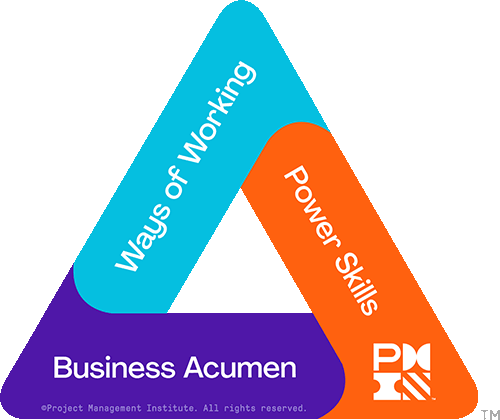
8980
 PDUs: 13.00
32201
PDUs: 13.00- Customized training courses
- Direct application in practice
- Efficient use of time and resources
Further recommendations for "Managing projects successfully"
Ratings and feedback from our participants

Start dates and details


Thursday, 24.09.2026
09:00 am - 5:00 pm
Friday, 25.09.2026
08:30 am - 4:30 pm


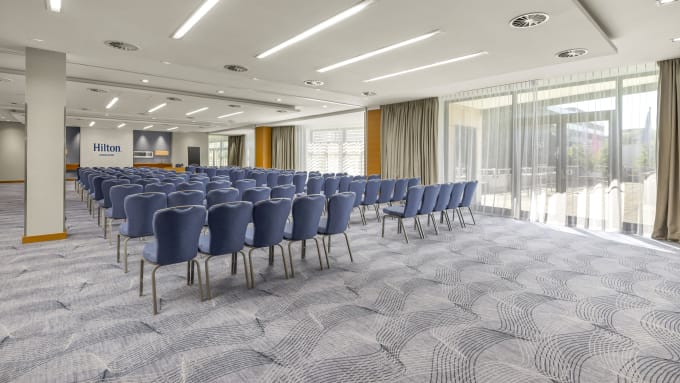





Thursday, 15.10.2026
09:00 am - 5:00 pm
Friday, 16.10.2026
08:30 am - 4:30 pm
- one joint lunch per full seminar day,
- Catering during breaks and
- extensive working documents.


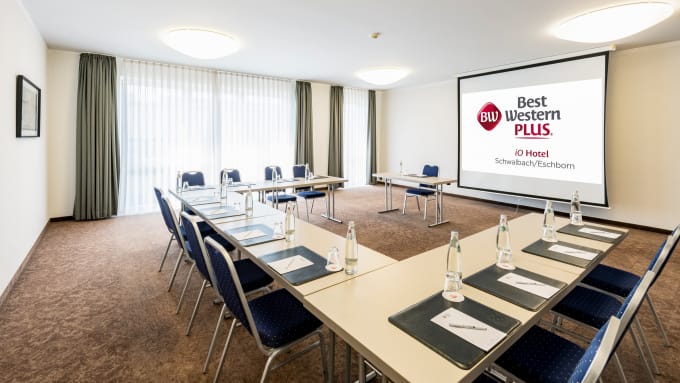




Tuesday, 03.11.2026
09:00 am - 5:00 pm
Wednesday, 04.11.2026
08:30 am - 4:30 pm
- one joint lunch per full seminar day,
- Catering during breaks and
- extensive working documents.


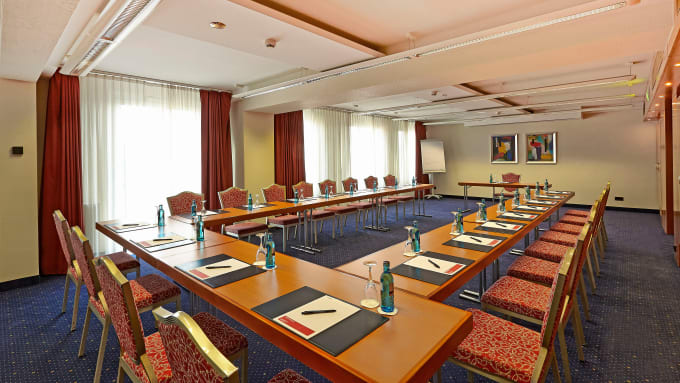




Thursday, 03.12.2026
09:00 am - 5:00 pm
Friday, 04.12.2026
08:30 am - 4:30 pm
- one joint lunch per full seminar day,
- Catering during breaks and
- extensive working documents.
Wednesday, 09.12.2026
09:00 am - 5:00 pm
Thursday, 10.12.2026
08:30 am - 4:30 pm



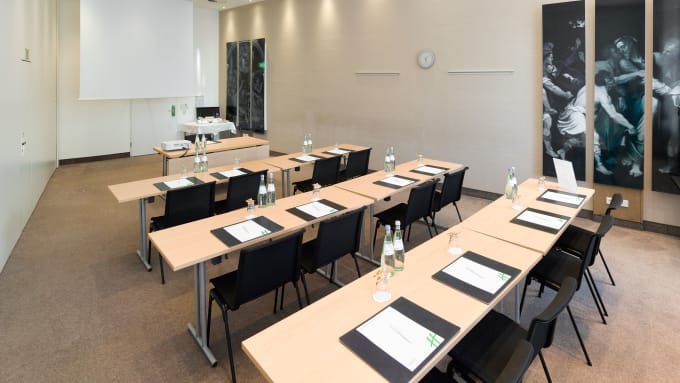



Monday, 25.01.2027
09:00 am - 5:00 pm
Tuesday, 26.01.2027
08:30 am - 4:30 pm
- one joint lunch per full seminar day,
- Catering during breaks and
- extensive working documents.

Wednesday, 03.02.2027
09:00 am - 5:00 pm
Thursday, 04.02.2027
08:30 am - 4:30 pm





Monday, 15.02.2027
09:00 am - 5:00 pm
Tuesday, 16.02.2027
08:30 am - 4:30 pm
- one joint lunch per full seminar day,
- Catering during breaks and
- extensive working documents.




Thursday, 18.03.2027
09:00 am - 5:00 pm
Friday, 19.03.2027
08:30 am - 4:30 pm
- one joint lunch per full seminar day,
- Catering during breaks and
- extensive working documents.





Monday, April 12, 2027
09:00 am - 5:00 pm
Tuesday, April 13, 2027
08:30 am - 4:30 pm
- one joint lunch per full seminar day,
- Catering during breaks and
- extensive working documents.
Tuesday, 27.04.2027
09:00 am - 5:00 pm
Wednesday, April 28, 2027
08:30 am - 4:30 pm







Thursday, May 13, 2027
09:00 am - 5:00 pm
Friday, May 14, 2027
08:30 am - 4:30 pm
- one joint lunch per full seminar day,
- Catering during breaks and
- extensive working documents.


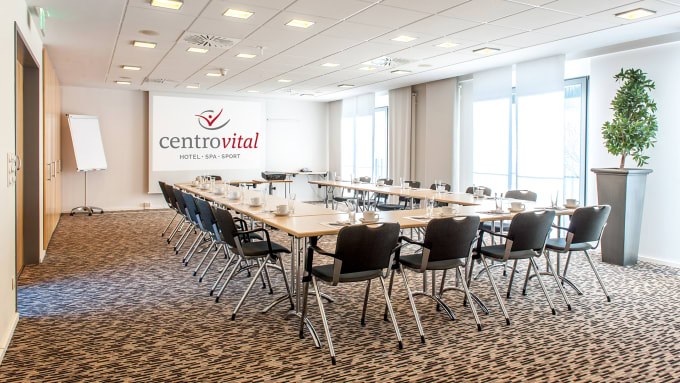




Monday, May 31, 2027
09:00 am - 5:00 pm
Tuesday, June 1, 2027
08:30 am - 4:30 pm
- one joint lunch per full seminar day,
- Catering during breaks and
- extensive working documents.


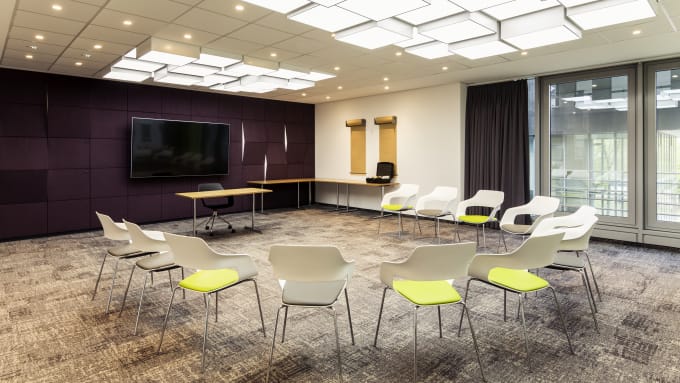




Thursday, June 17, 2027
09:00 am - 5:00 pm
Friday, June 18, 2027
08:30 am - 4:30 pm
- one joint lunch per full seminar day,
- Catering during breaks and
- extensive working documents.
Thursday, June 24, 2027
09:00 am - 5:00 pm
Friday, June 25, 2027
08:30 am - 4:30 pm






Monday, July 12, 2027
09:00 am - 5:00 pm
Tuesday, July 13, 2027
08:30 am - 4:30 pm
- one joint lunch per full seminar day,
- Catering during breaks and
- extensive working documents.
Tuesday, July 27, 2027
09:00 am - 5:00 pm
Wednesday, 28.07.2027
08:30 am - 4:30 pm


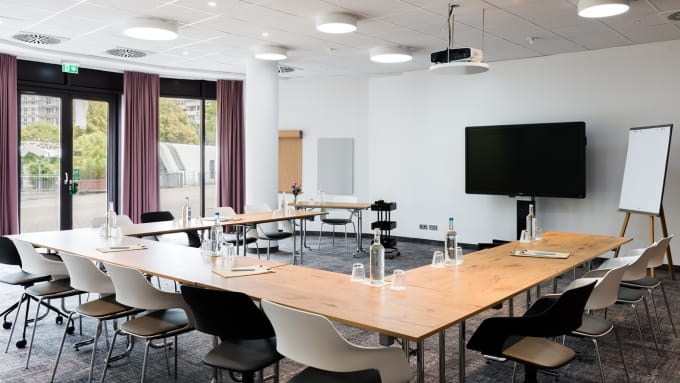




Monday, September 6, 2027
09:00 am - 5:00 pm
Tuesday, September 7, 2027
08:30 am - 4:30 pm
- one joint lunch per full seminar day,
- Catering during breaks and
- extensive working documents.
Thursday, September 16, 2027
09:00 am - 5:00 pm
Friday, September 17, 2027
08:30 am - 4:30 pm
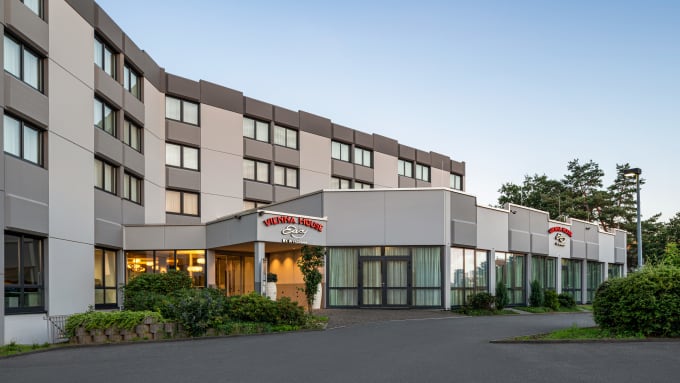






Wednesday, September 29, 2027
09:00 am - 5:00 pm
Thursday, September 30, 2027
08:30 am - 4:30 pm
- one joint lunch per full seminar day,
- Catering during breaks and
- extensive working documents.
Training is guaranteed to take placeThe next booking ensures this course will take place- one joint lunch per full seminar day,
- Catering during breaks and
- extensive working documents.
You might also be interested in:
FAQ
Successful project management means regularly monitoring project progress and taking corrective action early on if deviations occur. This involves considering deadlines, costs, quality, and results as a whole, rather than managing individual factors in isolation. In this training course, you’ll learn how to effectively integrate the various aspects of project management, use appropriate metrics, and create transparency regarding the current project status using practical tools. This will enable you to make more informed decisions about where action is needed and what steps are necessary to successfully bring your project to its goal.
Deviations in schedules and costs can be better managed if they are identified as early as possible and their causes are systematically analyzed. To do this, it is important to regularly compare actual project progress with the plan and use this information to make realistic forecasts. In this training course, you’ll learn how to work with milestones, trend analyses, and cost data—among other tools—and use them to derive appropriate control measures. The course also covers earned value analysis, which allows you to correlate work performed with costs incurred. This enables you to determine whether adjustments to capacity, scope, or effort are necessary.
Effective project management should not begin only after a problem has already arisen. It is crucial to recognize early warning signs, document risks in a transparent manner, and assess potential impacts in a timely manner. Changes to objectives, requirements, or deliverables should also be addressed in a structured manner. In this training course, you’ll learn how to manage risks, identify vulnerabilities, and handle changes or change requests in a controlled manner. This will enable you to assess potential impacts on time, costs, and quality earlier and respond in a more targeted way.
The right metrics help you assess the actual status of a project more objectively and make decisions based on more than just a subjective impression. Which metrics are useful depends, among other things, on the project objectives, the project’s progress, and the management information required. In this training course, you’ll explore methods for measuring progress and making forecasts, such as milestones, trend analyses, cost assessments, and earned value analysis. You’ll also learn how to select appropriate metrics and use the right tools to ensure greater transparency in the project.
Effective project communication ensures that stakeholders quickly understand the project’s current status, which developments are relevant, and where decisions are needed. To achieve this, information must be presented in a structured manner and focused on the essentials. In this training course, you’ll learn how to establish a systematic reporting system, draft reports that are clear and easy to understand, and conduct meetings effectively. At the same time, you’ll discover how to meaningfully involve teams in project management. This will help you create transparency, improve coordination, and facilitate well-informed decisions throughout the project.
About us - The Haufe Akademie
Your optimizer, innovator and companion since 1978 -
Your professional partner for professional development and seminars, training courses and topical conferences.
Whether on site, live online or in-house - our customised solutions, our claim to the highest level of consulting expertise and training tailored to your needs simplify the acquisition of skills for the working world of the future and sustainably facilitate professional development.
A wide range of seminars, individual coaching and our flexible formats support HR managers and decision-makers in shaping the future and developing employees, in-house teams and companies.
Experience the benefits of online training from the comfort of your own home. Our online formats meet the highest quality standards and are in no way inferior to face-to-face events in terms of practical relevance. Learn together live online in interactive groups or digitally at a time of your choice.
Do you have any questions?
We are there for you Monday to Friday 8:00 a.m. - 5:00 p.m.

Questions & Answers
In our Questions & Answers (FAQ) section, you will find all the answers and the most frequently asked questions about your selected topic.

Munzinger Str. 9
79111 Freiburg


- Planning security
- Free seminar places
- Quality standards
- Planning and locations
- Funding opportunities
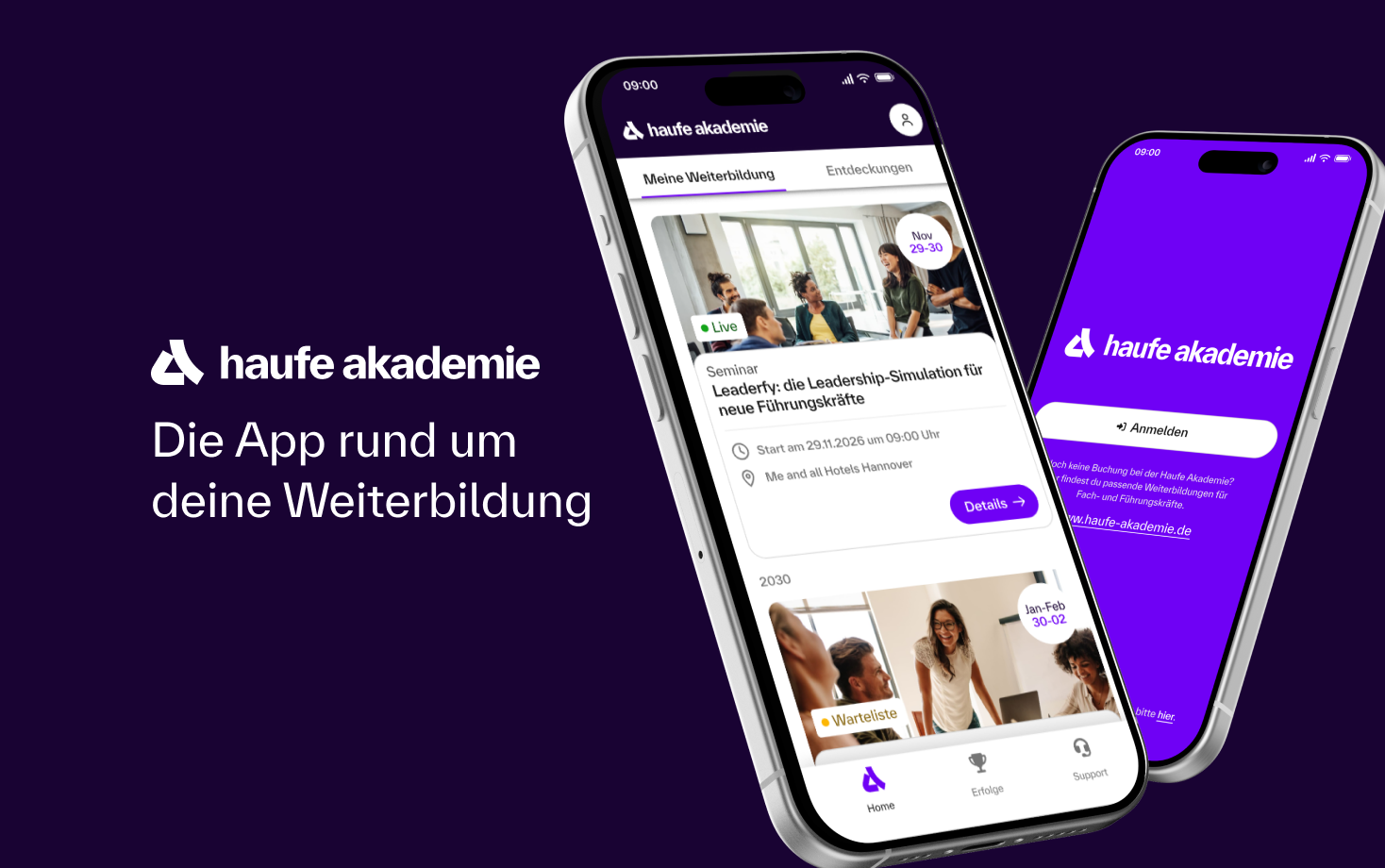
- Training app
- Business Solutions


