4.4
Open Badges
Add your digital badge to career networks and show what you can do.

Key figures and informative value
Key financial figures
Non-financial key figures
Strategy monitoring with key figures
Impact of key figures
Key figures and reporting
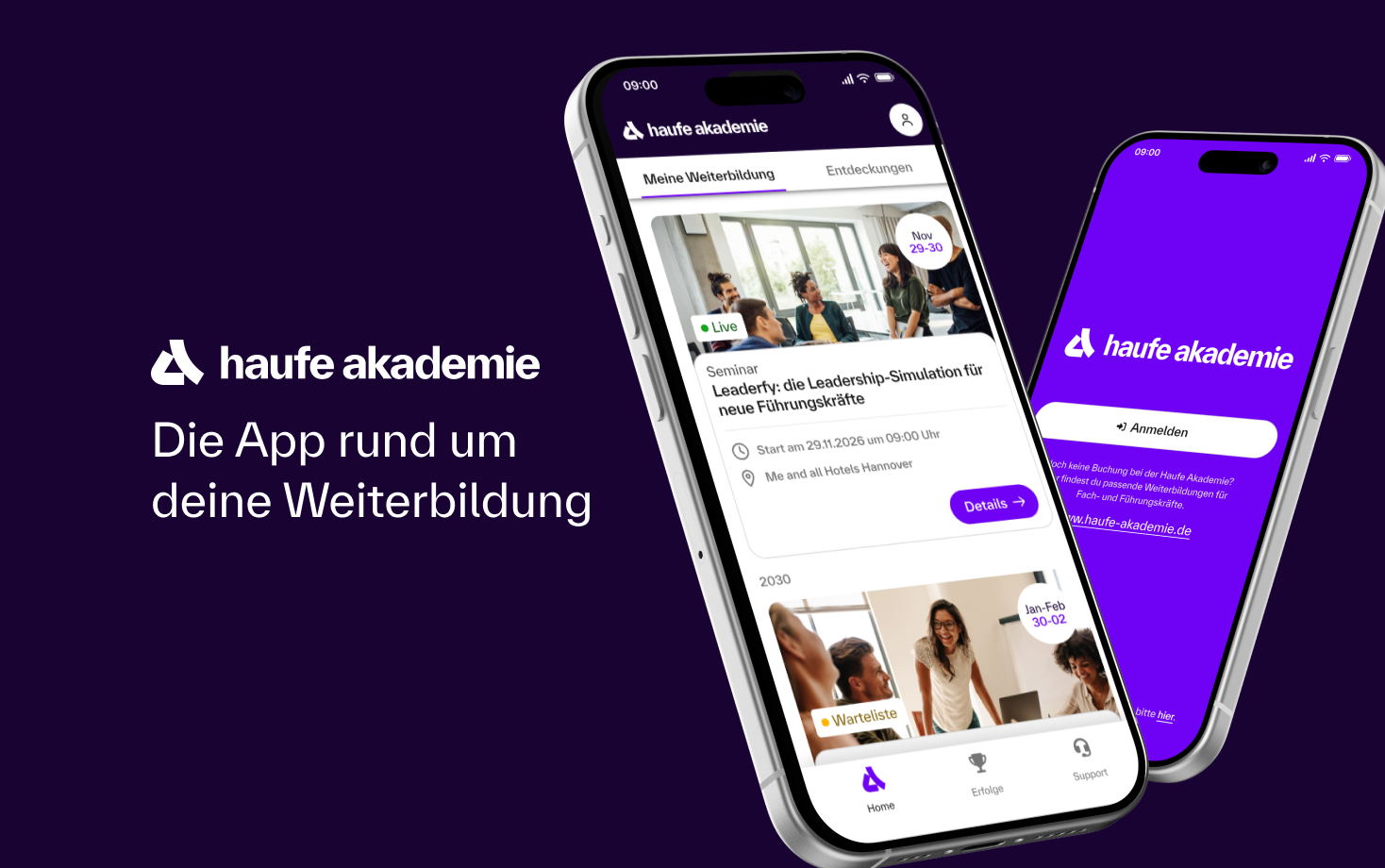
In your online learning environment, you will find useful information, downloads and extra services for this training course once you have registered.
This training will provide you with the know-how you need to make reliable management decisions based on practical company figures. You will learn interactively,
Interactive presentation, individual work, comprehensive seminar documents, solutions to case studies from the circle of participants.
controllers, managing directors, managers, executives, division managers, entrepreneurs from technical and other non-commercial professions who want to acquire specific key figure know-how quickly and compactly.
Key performance indicators provide transparency regarding economic development and support well-informed management decisions. In the “ training ” course, you’ll learn which financial and non-financial key performance indicators are relevant to different business objectives. You’ll discover how to identify, analyze, and interpret these indicators in a targeted manner. This will enable you to recognize the need for action early on and actively contribute to the company’s management.
Not every key figure is equally relevant to every business issue. In the “ training ” course, you’ll learn how to select financial and non-financial key figures strategically and tailor them to the requirements of your area of responsibility. You’ll discover which key figures are suitable for different business objectives and how to evaluate their significance. This will allow you to focus on the truly relevant performance indicators.
In the " training " course, you’ll learn how to thoroughly assess your company’s financial situation using key metrics such as profitability, liquidity, cash flow, and ROI. You’ll learn how to calculate, interpret, and compare these key figures. Real-world examples will show you how to identify economic trends and correctly interpret financial relationships. This will give you greater confidence in evaluating your business and provide a reliable foundation for making well-informed decisions.
Key performance indicators help you make strategic goals measurable and continuously track their implementation. In the “ training ” course, you’ll learn about tools such as the Balanced Scorecard, SWOT analysis, and portfolio analysis. You’ll discover how to use financial and non-financial key performance indicators to monitor strategy. This will enable you to identify deviations from goals, develop targeted actions, and support the company’s long-term development.
Meaningful key performance indicators form the basis for well-informed management decisions. In the “ training ” course, you’ll learn how to systematically analyze relevant key performance indicators, interpret them correctly, and present them in a clear and understandable way. Using real-world examples, you’ll discover how to present economic trends in a way that’s easy to follow and communicate key insights persuasively. This will strengthen your ability to make a case and help management make well-informed decisions.


Tuesday, 01.12.2026
09:00 am - 5:30 pm
Tuesday, 02.02.2027
09:00 am - 5:30 pm
Tuesday, 09.03.2027
09:00 am - 5:30 pm
Tuesday, April 13, 2027
09:00 am - 5:30 pm
Wednesday, June 16, 2027
09:00 am - 5:30 pm
Thursday, July 15, 2027
09:00 am - 5:30 pm
Tuesday, September 28, 2027
09:00 am - 5:30 pm
Training is guaranteed to take placeYour optimizer, innovator and companion since 1978 -
Your professional partner for professional development and seminars, training courses and topical conferences.
Whether on site, live online or in-house - our customised solutions, our claim to the highest level of consulting expertise and training tailored to your needs simplify the acquisition of skills for the working world of the future and sustainably facilitate professional development.
A wide range of seminars, individual coaching and our flexible formats support HR managers and decision-makers in shaping the future and developing employees, in-house teams and companies.
Experience the benefits of online training from the comfort of your own home. Our online formats meet the highest quality standards and are in no way inferior to face-to-face events in terms of practical relevance. Learn together live online in interactive groups or digitally at a time of your choice.
We are there for you Monday to Friday 8:00 a.m. - 5:00 p.m.
In our Questions & Answers (FAQ) section, you will find all the answers and the most frequently asked questions about your selected topic.