Mastering difficult negotiation situations
The advanced training for negotiation professionals
 4.5
4.5
Good preparation requires good self-management
- Know and recognize yourself and others better.
- Know and protect your own weak points.
- Resilient in negotiations - immune to personal attacks.
Influencing the climate of negotiations
- Confident despite time pressure.
- Becoming independent of negotiation venues.
- Achieve better results with a good mood.
Unfair and manipulative negotiation
- Know and protect your own points of attack.
- Skillfully absorb low blows and let them run into the void.
- Recognize and reverse manipulation.
Tough negotiating partners
- What to do if your negotiation partner is not interested in a win-win?
- Disarm confrontational negotiation partners .
- What to do if coalitions form against you?
Deadlocked negotiations - overcoming resistance
- How does resistance arise and how can it be resolved?
- What to do in the event of a standstill?
Conflicts in negotiations
- People before business: recognizing and avoiding potential conflicts.
- Conflict staircase: How do I stay on the ground in conflicts?
- Case for a mediator - when does it go no further?
WIN-WIN in extreme situations - is that even possible?
- Win-win is not always possible - how you benefit from it.
- Create added value or demand added value.
- Secure your own power in negotiations.
Negotiations with monopolists
- Strengthen your own position and secure power.
- What to do if you have no alternative?
In your online learning environment, you will find useful information, downloads and extra services for this training course once you have registered.
The attendees
- train tools and techniques to act confidently and successfully in any negotiation situation.
- learn how they can skillfully overcome resistance and deadlocks in negotiations.
- gain valuable knowledge to positively influence the negotiation climate - even under time pressure and regardless of the negotiation venue.
- practice how to recognize unfair and manipulative tactics and react appropriately.
- learn to recognize themselves and others better and to protect their weak points.
trainer, collegial case consultation, individual and group work, implementation in practical exercises and simulated cases.
Specialists and managers as well as anyone who wants to be better prepared for challenging negotiation partners and optimize their strategies and skills for difficult situations. Basic knowledge and experience in negotiating are assumed.
Questions about the seminar content
In difficult negotiation situations, pressure often arises not only from the content but also from the pace, tone, or tactical behavior. This training you recognize such dynamics more consciously and avoid automatically resorting to justification, retreat, or counterattack. You’ll practice tools that allow you to remain composed even under time pressure, keep your own goal in sight, and actively influence the atmosphere of the negotiation. This way, you can handle pressure without letting it control you.
Professionals and managers in particular find that negotiations can quickly become personal, even though the actual issues being discussed are purely factual. In training , you’ll learn to recognize training early on and to separate the person from the issue. You’ll reflect on your own reaction patterns and vulnerabilities so that personal attacks have less of an impact. This strengthens your resilience and helps you remain professional, clear, and solution-oriented even in tense situations.
If the person you’re negotiating with isn’t cooperative, simply relying on a spirit of partnership is often not enough. This training you for tough and confrontational negotiating partners. You’ll learn to recognize unfair tactics, protect your own vulnerabilities, and avoid falling for manipulative maneuvers without first evaluating them. This gives you greater confidence because you won’t be relying solely on good intentions—instead, you’ll be able to consciously handle difficult behaviors.
Coalitions can significantly alter the course of a negotiation because they can create pressure and isolate you. That’s why this training addresses training these kinds of challenging scenarios and helps you manage confrontational situations professionally. You’ll learn not to become defensive too quickly, but rather to analyze interests, roles, and power dynamics more closely. This will enable you to articulate your position , identify allies, and take a more active role in shaping the dynamics of the conversation.
The atmosphere determines whether people listen, shut down, make threats, or seek solutions. In this training how to influence the atmosphere, the flow of the conversation, and the level of rapport—even under time pressure and in various negotiation settings. A positive atmosphere doesn’t mean being lenient. It means creating the conditions under which objective interests remain negotiable and better outcomes become possible.
- Customized training courses
- Direct application in practice
- Efficient use of time and resources
Further recommendations for "Mastering difficult negotiation situations"
Ratings and feedback from our participants

Start dates and details


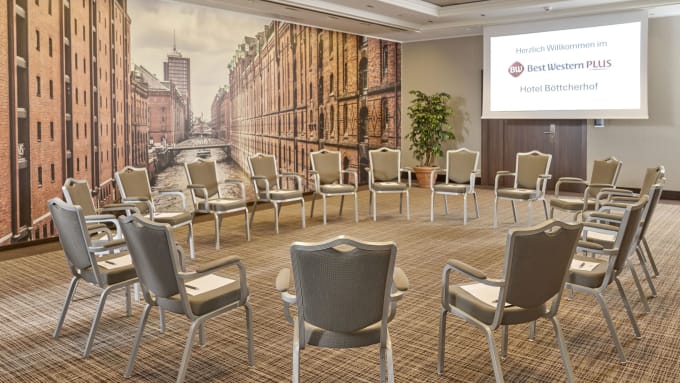
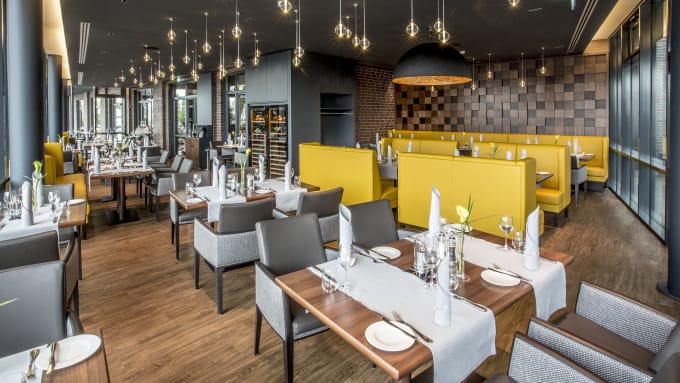



Tuesday, 27.10.2026
09:00 am - 5:00 pm
Wednesday, 28.10.2026
09:00 am - 5:00 pm
- one joint lunch per full seminar day,
- Catering during breaks and
- extensive working documents.
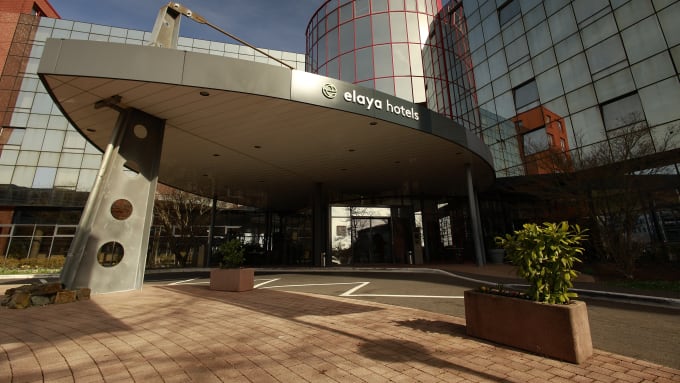




Wednesday, 24.02.2027
09:00 am - 5:00 pm
Thursday, 25.02.2027
09:00 am - 5:00 pm
- one joint lunch per full seminar day,
- Catering during breaks and
- extensive working documents.




Monday, June 7, 2027
09:00 am - 5:00 pm
Tuesday, June 8, 2027
09:00 am - 5:00 pm
- one joint lunch per full seminar day,
- Catering during breaks and
- extensive working documents.




Thursday, September 16, 2027
09:00 am - 5:00 pm
Friday, September 17, 2027
09:00 am - 5:00 pm
- one joint lunch per full seminar day,
- Catering during breaks and
- extensive working documents.
Training is guaranteed to take place- one joint lunch per full seminar day,
- Catering during breaks and
- extensive working documents.
- one joint lunch per full seminar day,
- Catering during breaks and
- extensive working documents.
You might also be interested in:
About us - The Haufe Akademie
Your optimizer, innovator and companion since 1978 -
Your professional partner for professional development and seminars, training courses and topical conferences.
Whether on site, live online or in-house - our customised solutions, our claim to the highest level of consulting expertise and training tailored to your needs simplify the acquisition of skills for the working world of the future and sustainably facilitate professional development.
A wide range of seminars, individual coaching and our flexible formats support HR managers and decision-makers in shaping the future and developing employees, in-house teams and companies.
Experience the benefits of online training from the comfort of your own home. Our online formats meet the highest quality standards and are in no way inferior to face-to-face events in terms of practical relevance. Learn together live online in interactive groups or digitally at a time of your choice.
Do you have any questions?
We are there for you Monday to Friday 8:00 a.m. - 5:00 p.m.

Questions & Answers
In our Questions & Answers (FAQ) section, you will find all the answers and the most frequently asked questions about your selected topic.

Munzinger Str. 9
79111 Freiburg


- Planning security
- Free seminar places
- Quality standards
- Planning and locations
- Funding opportunities
- Training app
- Business Solutions


