 4.6
4.6
Contents
Conflicts - or the relationship dynamics between problem and solution
- Conflict definition and basic solution approaches.
- Behavior in conflicts: Opportunities and risks.
On the complexity of conflicts
- Intrapersonal and interpersonal conflicts.
- Understanding conflict dynamics - changing perspectives.
- Unravel complex backgrounds - back to simplicity.
- The drama triangle in conflict resolution.
- The six most important tips for your future conflict management.
Strategies and interventions for difficult conflict situations
- "Moving" entrenched fronts - Seeking a conversation and balancing the willingness to find a solution.
- Represent your own positions and wishes.
- Exchange and comparison of individual perspectives.
- Finding common and sustainable solutions or ending chronic conflicts appropriately.
Collegial case consultation
- Work on your own cases in the group of participants.
Learning environment
In your online learning environment, you will find useful information, downloads and extra services for this training course once you have registered.
Your benefit
The attendees ...
- develop their skills in order to remain capable of acting in difficult situations, communicate effectively and resolve conflicts positively.
- develop a deep understanding of recurring conflict situations in order to be able to react at an early stage.
- learn to remain constructive, solution-oriented and appreciative and to keep their goals in view.
- learn how they can work towards balanced cooperation.
- acquire strategies to resolve or end conflicts in a structured, respectful and consistent manner.
Methods
Expert input, individual work, group work, discussion. The training on the commitment of attendees. Participants are welcome to address their own conflict situations in various exercises or in collegial case consultations.
Recommended for
Specialists and managers and all employees who want to further develop their conflict resolution skills and already have a basic knowledge of conflict management.
Please note: Attendance at "Conflict Management I" is not a prerequisite for this training .
Questions about the seminar content
A recurring conflict often indicates that it is not just a single practical problem that remains unresolved, but that underlying patterns and expectations have become entrenched. In this training , you training to systematically identify such dynamics and unravel complex underlying issues. This will enable you to better distinguish what really needs to be clarified, which perspectives are involved, and which solutions are viable.
In tense conversations, it’s easy to get the impression that you have to choose between clarity and harmony. This training you how to clearly express your own positions and wishes while maintaining a respectful tone in your communication. You’ll practice reconciling different perspectives, gauging the other person’s willingness to engage, and staying solution-oriented even when emotions run high. This will enable you to address difficult topics without causing unnecessary escalation, while still keeping your goals in sight.
When positions have hardened, simply calling for objectivity is usually no longer enough. What’s needed then is a structured approach that first clarifies whether there is any willingness to find a solution at all and what interests lie behind the visible positions. This training on strategies and interventions for precisely these kinds of difficult situations. You’ll learn how to get conversations moving again, reconcile individual perspectives, and develop joint solutions step by step.
A change in perspective doesn’t automatically resolve the conflict, but it does change the quality of the conversation. When you can understand the motives, concerns, or expectations driving the other side, new avenues for solutions emerge. This training you to consciously exchange and reconcile individual perspectives. As a result, rather than working against each other, you’ll find yourselves working together to address the problem. This is particularly helpful in everyday professional life because many conflicts don’t stem from a lack of technical expertise, but rather from entrenched viewpoints and unaddressed assumptions.
Not every conflict can be fully resolved. Some disputes have become chronic because interests are permanently irreconcilable, agreements are not honored, or there is no genuine willingness to find a solution. This training you how to distinguish between resolvable and deadlocked conflicts. You’ll learn to seek viable solutions, but also to respectfully and consistently decide when a conflict should be brought to an appropriate close. This protects you and your work environment from endless cycles that drain energy and place a lasting strain on collaboration.
- Customized training courses
- Direct application in practice
- Efficient use of time and resources
Further recommendations for "Conflict Management II"
Ratings and feedback from our participants

As for the learning atmosphere, participants report open discussion, space for all opinions, and a structure that combines professionalism with a relaxed environment. Participants explicitly mention that the training was also fun—an indication that the content and atmosphere complement each other well.
Start dates and details




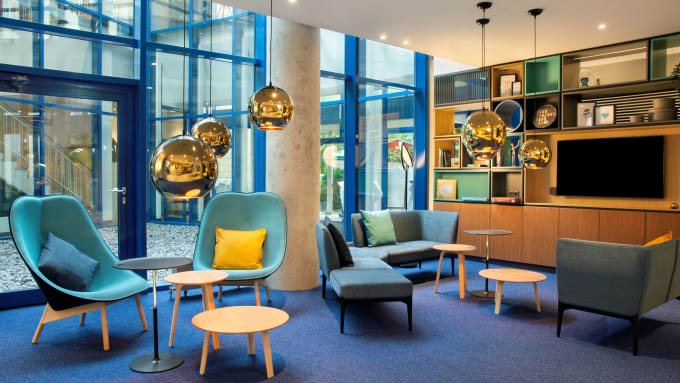



Monday, 14.09.2026
09:00 am - 5:30 pm
Tuesday, 15.09.2026
09:00 am - 4:30 pm
- one joint lunch per full seminar day,
- Catering during breaks and
- extensive working documents.
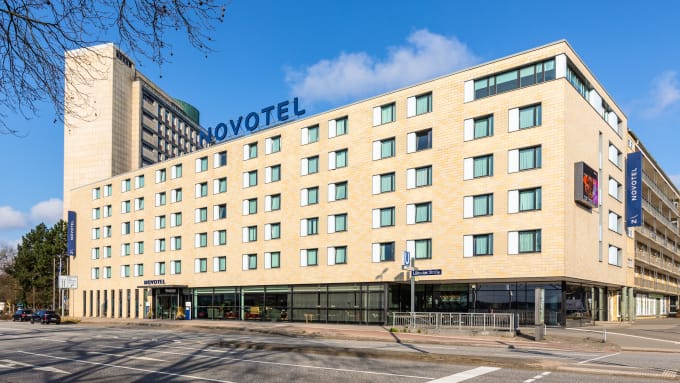



Tuesday, 15.12.2026
09:00 am - 5:30 pm
Wednesday, 16.12.2026
09:00 am - 4:30 pm
- one joint lunch per full seminar day,
- Catering during breaks and
- extensive working documents.
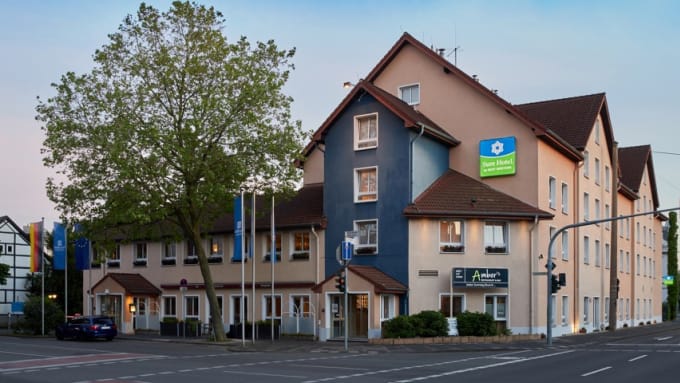

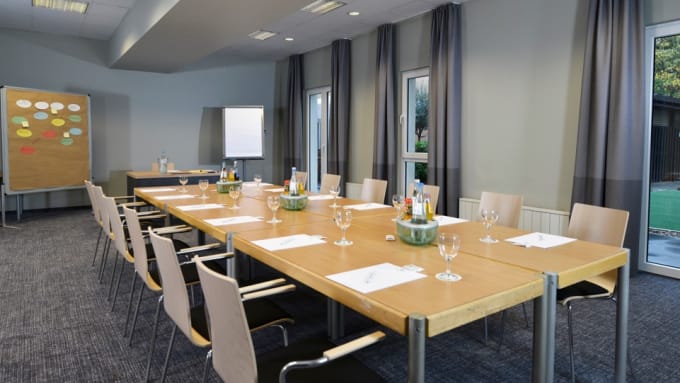



Wednesday, 17.03.2027
09:00 am - 5:30 pm
Thursday, 18.03.2027
09:00 am - 4:30 pm
- one joint lunch per full seminar day,
- Catering during breaks and
- extensive working documents.






Tuesday, June 8, 2027
09:00 am - 5:30 pm
Wednesday, June 9, 2027
09:00 am - 4:30 pm
- one joint lunch per full seminar day,
- Catering during breaks and
- extensive working documents.


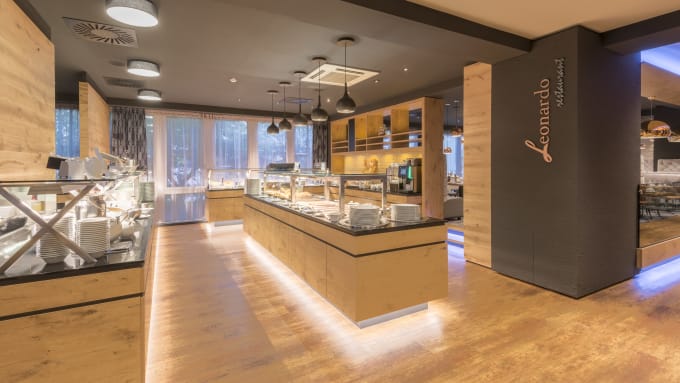


Monday, September 6, 2027
09:00 am - 5:30 pm
Tuesday, September 7, 2027
09:00 am - 4:30 pm
- one joint lunch per full seminar day,
- Catering during breaks and
- extensive working documents.
Training is guaranteed to take place- one joint lunch per full seminar day,
- Catering during breaks and
- extensive working documents.
- one joint lunch per full seminar day,
- Catering during breaks and
- extensive working documents.
You might also be interested in:
About us - The Haufe Akademie
Your optimizer, innovator and companion since 1978 -
Your professional partner for professional development and seminars, training courses and topical conferences.
Whether on site, live online or in-house - our customised solutions, our claim to the highest level of consulting expertise and training tailored to your needs simplify the acquisition of skills for the working world of the future and sustainably facilitate professional development.
A wide range of seminars, individual coaching and our flexible formats support HR managers and decision-makers in shaping the future and developing employees, in-house teams and companies.
Experience the benefits of online training from the comfort of your own home. Our online formats meet the highest quality standards and are in no way inferior to face-to-face events in terms of practical relevance. Learn together live online in interactive groups or digitally at a time of your choice.
Do you have any questions?
We are there for you Monday to Friday 8:00 a.m. - 5:00 p.m.

Questions & Answers
In our Questions & Answers (FAQ) section, you will find all the answers and the most frequently asked questions about your selected topic.

Munzinger Str. 9
79111 Freiburg

- Planning security
- Free seminar places
- Quality standards
- Planning and locations
- Funding opportunities
- Training app
- Business Solutions


