Practical workshop: Conflicts involving multiple parties
Multi-party conflicts – Understanding, intervening, and resolving the specific challenges
 4.9
4.9
Types and dynamics of multi-party conflicts
- How do they differ from conflicts between two parties?
Sources of power, subordination, and hierarchy
- What role do formal and informal power play?
- How do dependency relationships influence the course of a conflict?
Legal framework
- Obligations under labor law.
- Co-determination rights.
- The Mediation Act.
- Limits and responsibilities.
analytical tools
- Use of methods such as stakeholder analyses and conflict maps.
- Representation of interests and power relations.
Communication and perception pitfalls
- Dealing with attributions, escalations, or structural delays.
Intervention and moderation methods
- Techniques such as multi-party mediation, negotiations based on the Harvard model, and dialogue-oriented approaches.
Practical exercises and simulation game
- Working through realistic scenarios to reflect on roles and develop concrete solutions.
Ensuring sustainability
- Implementing agreements through feedback processes.
- Establishing a corporate culture that is capable of dealing with conflict.
In your online learning environment, you will find useful information, downloads and extra services for this training course once you have registered.
- You gain clarity about complex conflict situations and deal with them in a structured and confident manner.
- You recognize power relations and hierarchies in order to deal with them in a targeted manner.
- You understand the legal framework that allows you to act confidently within the limits.
- You use tools and methods for moderation and conflict resolution.
- You promote a culture in which conflicts are resolved constructively and learning processes can take place.
- You act confidently in complex situations by linking aspects of power and law.
- Get personalized support by bringing in your own cases from your everyday work.
trainer, case studies, group work, role-playing, systemic visualizations, simulation games, moderated discussions between participants, feedback, and transfer aids for your own practice.
Specialists and managers, team or project leaders, mediators, conflict consultants, HR managers, members of committees, works councils, and employee representatives, and all employees who need and want to resolve conflicts.
Questions about the seminar content
Conflicts involving multiple parties are rarely straightforward because different interests, roles, interdependencies, and power dynamics are at play simultaneously. This often presents a challenge for specialists and managers: they must avoid taking sides too quickly or focusing solely on the most pressing issue. This training you analyze such situations in a structured way, identify underlying dynamics, and systematically assess the different perspectives. This enables you to more confidently identify the root of the conflict and determine which intervention is truly effective.
In multi-party conflicts, people often take firm positions—such as making demands, assigning blame, or drawing boundaries. Behind these, however, there are usually interests, needs, fears, or organizational constraints. In training about analytical tools such as stakeholder analyses and conflict maps, which you can use to identify interests, relationships, and influencing factors. This will help you approach conversations in a less reactive way and instead gain a deeper understanding of the root causes of the conflict. Especially in day-to-day leadership, project management, or HR work, this approach creates greater clarity before decisions are made or actions are taken.
When multiple parties are at an impasse, a single clarification meeting is often not enough. It frequently requires a broader perspective, clear discussion structures, and deliberate facilitation of the various interests. That’s why this training shows you how to manage multi-party conflicts not only in terms of content but also in terms of process. You’ll learn to analyze conflict dynamics, reflect on roles, and use appropriate facilitation methods to get the situation moving again. This is particularly helpful when you need to mediate between different expectations in projects, teams, or committees.
Neutrality does not mean doing nothing. It means ensuring the process is fair, taking different perspectives seriously, and at the same time prioritizing clarity, accountability, and a focus on solutions. This training you reflect more consciously on your role in conflict situations, especially when you are part of the system yourself—as a manager, project leader, HR professional, mediator, or committee member. Through case studies, role-playing exercises, and facilitated discussions, you can practice how to act in a way that is present, clear, and impartial. This will help you gain confidence, even when the expectations placed on you are contradictory.
Dealing with your own conflict situations professionally means not only viewing them from a personal perspective, but also analyzing them in a structured, methodical way and with objectivity. During training , you training bring in your own cases from your daily work and reflect on them using practical methods. Through trainer input, case analyses, group work, role-playing, systemic visualizations, and simulation exercises, you’ll gain concrete insights into how to proceed. This will help you develop approaches that are tailored to your role, your organization, and the people involved. This will give you greater confidence when you need to resolve complex conflicts in the future while keeping both the people and the broader context in mind.
- Customized training courses
- Direct application in practice
- Efficient use of time and resources
Additional recommendations for “Practical Workshop: Conflicts Involving Multiple Parties”
Ratings and feedback from our participants

Start dates and details

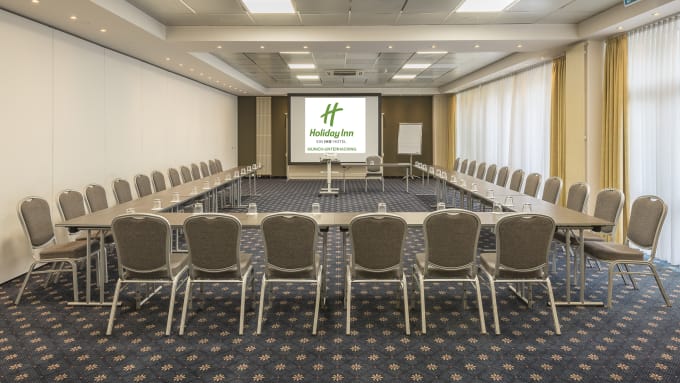

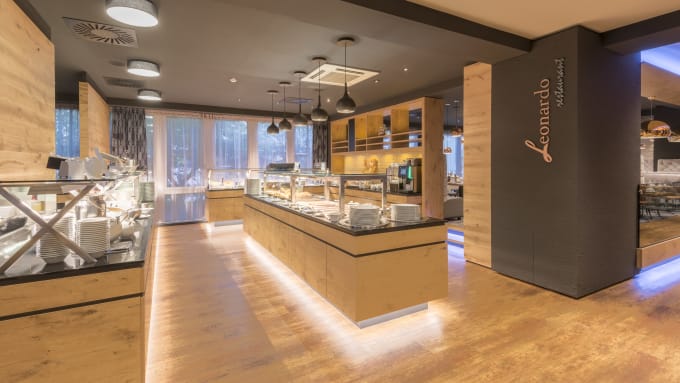



Monday, 09.11.2026
09:00 am - 5:30 pm
Tuesday, 10.11.2026
09:00 am - 5:00 pm
- one joint lunch per full seminar day,
- Catering during breaks and
- extensive working documents.


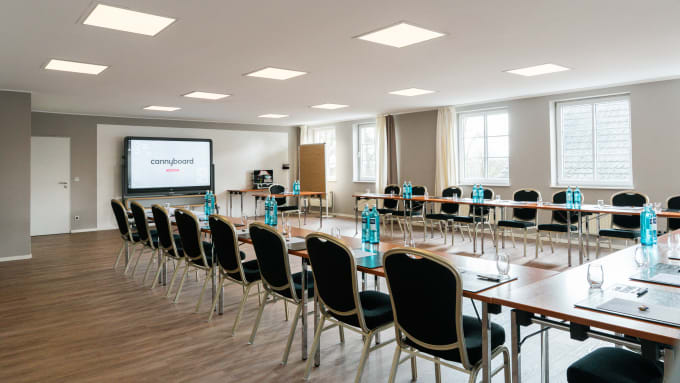

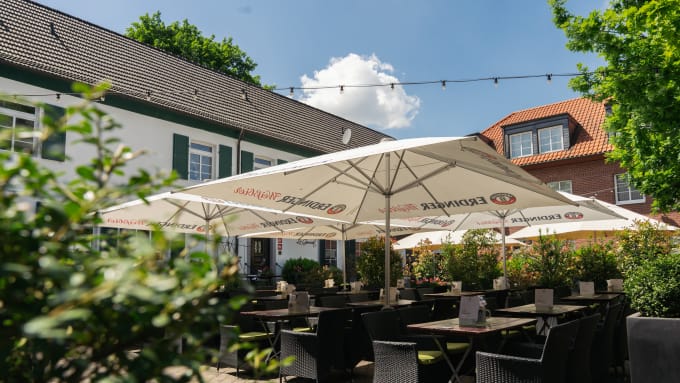


Thursday, 11.03.2027
09:00 am - 5:30 pm
Friday, 12.03.2027
09:00 am - 5:00 pm
- one joint lunch per full seminar day,
- Catering during breaks and
- extensive working documents.






Thursday, June 17, 2027
09:00 am - 5:30 pm
Friday, June 18, 2027
09:00 am - 5:00 pm
- one joint lunch per full seminar day,
- Catering during breaks and
- extensive working documents.




Wednesday, September 29, 2027
09:00 am - 5:30 pm
Thursday, September 30, 2027
09:00 am - 5:00 pm
- one joint lunch per full seminar day,
- Catering during breaks and
- extensive working documents.
- one joint lunch per full seminar day,
- Catering during breaks and
- extensive working documents.
- one joint lunch per full seminar day,
- Catering during breaks and
- extensive working documents.
You might also be interested in:
About us - The Haufe Akademie
Your optimizer, innovator and companion since 1978 -
Your professional partner for professional development and seminars, training courses and topical conferences.
Whether on site, live online or in-house - our customised solutions, our claim to the highest level of consulting expertise and training tailored to your needs simplify the acquisition of skills for the working world of the future and sustainably facilitate professional development.
A wide range of seminars, individual coaching and our flexible formats support HR managers and decision-makers in shaping the future and developing employees, in-house teams and companies.
Experience the benefits of online training from the comfort of your own home. Our online formats meet the highest quality standards and are in no way inferior to face-to-face events in terms of practical relevance. Learn together live online in interactive groups or digitally at a time of your choice.
Do you have any questions?
We are there for you Monday to Friday 8:00 a.m. - 5:00 p.m.

Questions & Answers
In our Questions & Answers (FAQ) section, you will find all the answers and the most frequently asked questions about your selected topic.

Munzinger Str. 9
79111 Freiburg

- Planning security
- Free seminar places
- Quality standards
- Planning and locations
- Funding opportunities
- Training app
- Business Solutions


