 4.5
4.5

Book 2 hours of individual coaching with your trainer.More info

This training is held in German.
Those who really understand contacts and are understood themselves achieve goals more quickly. Communication rules and psychological knowledge about how to conduct conversations can help. In this training course, you will learn about different communication styles and personality types and find out how you can adapt to others in a targeted manner. With the techniques you learn, you will make conversations more effective, empathetic and goal-oriented and find the right tone even in difficult situations.
Contents
Psychological foundations of communication
- Types of communication.
- Active conversation.
- Develop communication goals.
- Understanding and appreciating differences in human behavior.
Perceiving and understanding
- Focus on relationship and cause.
- Recognize different communication styles.
- Understand and use body language and explicit formulations.
- Establish authentic contacts and strengthen the relationship level.
Tools for conducting discussions
- Apply conversation techniques such as active listening and targeted questions.
- Create access opportunities to types of people.
- Use metacommunication as a management tool.
- Listening as a technique.
Managing difficult conversations successfully
- Analyze blocks in the conversation and still achieve your goals.
- Solutions in difficult situations.
- Maintain attention in conversations.
- Accept the limits of psychological approaches.
Learning environment
In your online learning environment, you will find useful information, downloads and extra services for this training course once you have registered.
Your benefit
- You understand psychological principles and apply them strategically in conversations.
- You conduct conversations in a flexible and relationship-oriented manner.
- You analyze how your own communication style influences the course of the conversation.
- You recognize the long-term effects of successful conversations on You perceive conversations in a differentiated way and recognize deeper connections.
- Overall situation.
- You achieve results that are satisfactory for everyone involved.
Methods
In-person events
experts, role plays with feedback, group exercises with evaluation, discussions, observation from a meta-position, transfer considerations and aids for your practice. Take the opportunity to bring in your own practical cases.
Live online events
experts, role plays with feedback, group exercises with evaluation, discussions, observation from a meta-position, transfer considerations and aids for your practice. Take the opportunity to bring in your own practical cases.
The training requires your camera to be activated for effective participation. We ask you to turn on your camera during the entire training so that you can participate interactively in the training.
Tool
The following third-party tool can be used in the event:
Recommended for
Specialists and managers who want to make their communication more effective, with psychological background knowledge and tried-and-tested techniques.
Questions about the seminar content
In everyday work life, misunderstandings often arise not from a lack of information, but from differing expectations, unspoken assumptions, or different communication styles. It is therefore helpful not only to focus on the content of conversations, but also to pay attention to how things are said and the reactions they elicit. In training , you training to analyze such conversational situations more closely and to handle them with greater confidence using appropriate communication tools.
People do not hear messages objectively. They interpret statements based on their experiences, expectations, and relationship with the other person. Feedback intended to be objective can therefore be perceived as helpful, critical, or even derogatory. By taking these differences into account, you can choose your words more carefully and are less likely to let conversations escalate unnecessarily. In training , you training therefore training how perception, personality, and the level of the relationship influence conversation.
Body language often has a more immediate impact than spoken words. Posture, eye contact, facial expressions, and tone of voice all influence whether a statement comes across as open, uncertain, defensive, or engaging. In a professional setting, this can be crucial, especially when giving feedback, resolving conflicts, or reaching consensus. This training you how to better recognize nonverbal cues and reflect on the impression you make during conversations.
Different communication styles can easily lead to friction in everyday work life. Some people prefer short, clear statements, while others need more context or reassurance about the relationship. Still others are particularly sensitive to tone of voice, pace, or level of detail. Recognizing these differences allows you to conduct conversations more flexibly and reduce misunderstandings without compromising your own stance. In this training , you’ll explore training how to contacts to different contacts without losing your own clarity.
A good conversation requires more than just a friendly tone. It requires a clear goal, an awareness of the relationship dynamic, and the ability to address even difficult issues. Lasting results are achieved above all when both sides understand what is at stake, what is expected of each other, and what the next steps should be. That is why, in training , you will learn to structure training in a way that is both personally meaningful and substantively effective.

Learning and shaping a sustainable future
Recognizing human nature and establishing successful relationships through good communication are future skills that you will learn in this training , among others. According to our partner, the Inner Development Goals Initiative (IDGs), you are also contributing to a sustainable future. The IDGs have scientifically and globally identified the future skills needed to achieve the United Nations Sustainable Development Goals (SDGs). What exactly does that mean? Find out more.
On-site training together
Booking number
7522
7522
€ 1.590,-
plus VAT
2 days
in 16 locations
19 Events
German
Joint online training
Train several employees
Price upon request
2 days
In-person or Online
Appointment scheduled on an individual basis
- Customized training courses
- Direct application in practice
- Efficient use of time and resources
100% non-binding inquiry
Feedback within 24 hours
Or schedule an appointment and get personalized advice

Further recommendations for "Psychology of conversation"
Ratings and feedback from our participants
4.5

1,209
Reviews
training content:
4.3
Content comprehensibility:
4.5
Practical relevance:
4.4
Trainer expertise:
4.7
Participant orientation:
4.6
Method variety:
4.4
What Our Participants Say
Participants training describe this training as practical, engaging, and rich in content. They particularly often highlight the successful blend of theory and practice: real-world examples, role-playing exercises, and case studies helped them directly apply and internalize the theoretical knowledge. Several participants also explicitly praise the trainer’s expertise and teaching skills as a reason to recommend the course.
Participants also emphasize the open, supportive atmosphere, the positive group dynamics, and ample opportunity for discussion, reflection, and the exchange of experiences. One person sums it up by saying that the training was among the best they’ve ever attended—and would have even liked it to last longer.
Participants also emphasize the open, supportive atmosphere, the positive group dynamics, and ample opportunity for discussion, reflection, and the exchange of experiences. One person sums it up by saying that the training was among the best they’ve ever attended—and would have even liked it to last longer.
Start dates and details
22.06.2026
Live-Online

Booking number:
32291
€ 1.590,- plus VAT.
€ 1,892.10 incl. VAT.
Course

zoom
Days & Times
2 days
max. 10 attendees
Monday, 22.06.2026
09:00 am - 5:00 pm
Tuesday, 23.06.2026
09:00 am - 4:30 pm
Transfer coaching bookable
2 hours of transfer coaching - live and online with your trainer ensures that you can put what you have learnt into practice in your day-to-day work.
If you book at the same time as your training, you save 10 % on the price of the transfer coaching of € 390,- excl.
02.07.2026
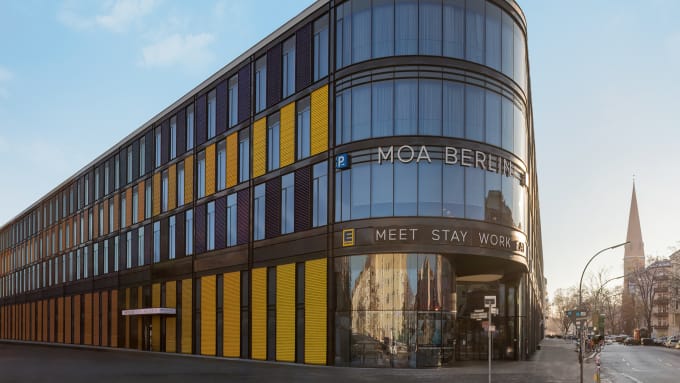
Berlin
Booking number:
7522
€ 1.590,- plus VAT.
€ 1,892.10 incl. VAT.
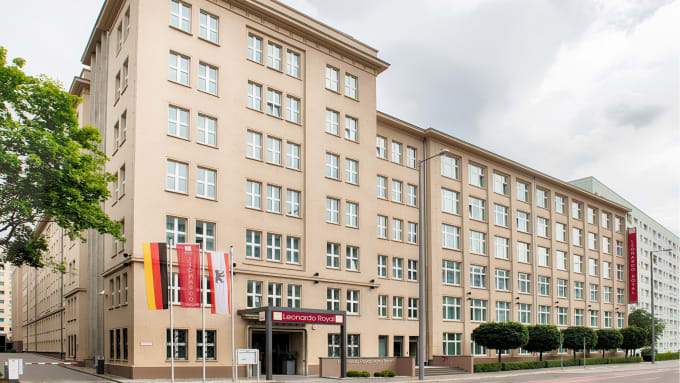
Venue
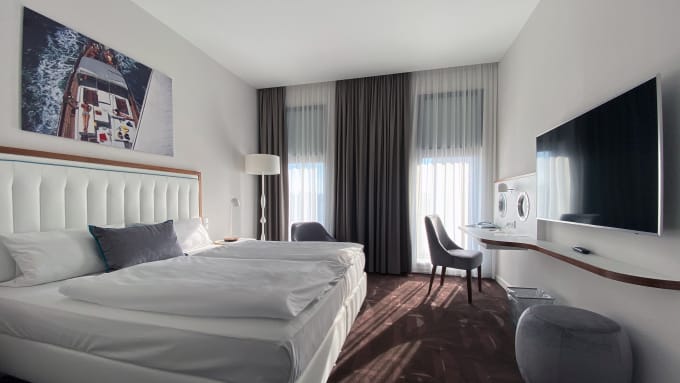
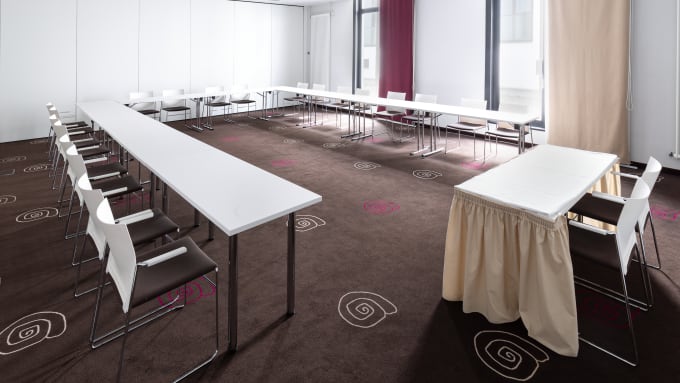

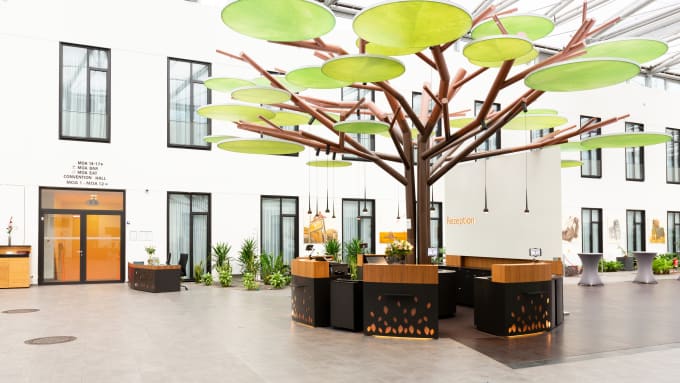


Arrival via Deutsche Bahn
Travel at reduced rates by booking via the learning environment.

Days & Times
2 days
max. 12 attendees
Thursday, 02.07.2026
09:00 am - 5:00 pm
Friday, 03.07.2026
09:00 am - 4:30 pm
Fee includes
The participation fee includes
- one joint lunch per full seminar day,
- Catering during breaks and
- extensive working documents.
Transfer coaching bookable
2 hours of transfer coaching - live and online with your trainer ensures that you can put what you have learnt into practice in your day-to-day work.
If you book at the same time as your training, you save 10 % on the price of the transfer coaching of € 390,- excl.
27.07.2026
Frankfurt a. M./Offenbach
Booking number:
7522
€ 1.590,- plus VAT.
€ 1,892.10 incl. VAT.
Venue
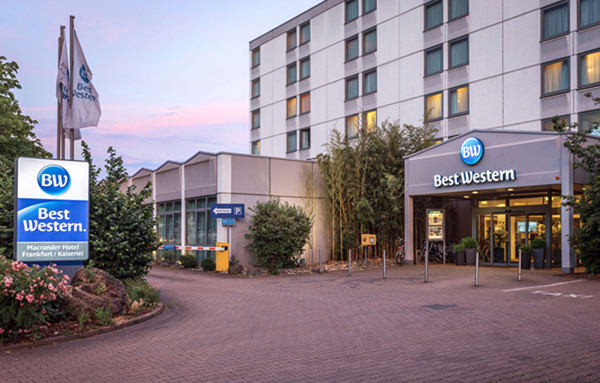
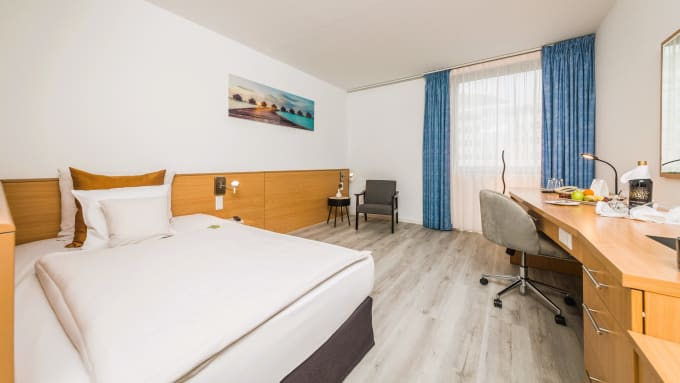
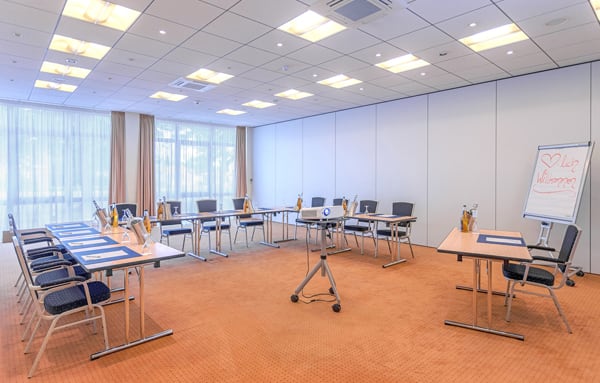
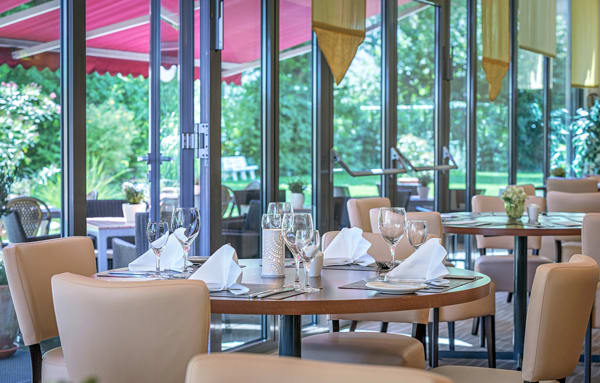



Arrival via Deutsche Bahn
Travel at reduced rates by booking via the learning environment.
Days & Times
2 days
max. 12 attendees
Monday, 27.07.2026
09:00 am - 5:00 pm
Tuesday, 28.07.2026
09:00 am - 4:30 pm
Fee includes
The participation fee includes
- one joint lunch per full seminar day,
- Catering during breaks and
- extensive working documents.
Transfer coaching bookable
2 hours of transfer coaching - live and online with your trainer ensures that you can put what you have learnt into practice in your day-to-day work.
If you book at the same time as your training, you save 10 % on the price of the transfer coaching of € 390,- excl.
08.09.2026
Hamburg
Booking number:
7522
€ 1.590,- plus VAT.
€ 1,892.10 incl. VAT.
Venue
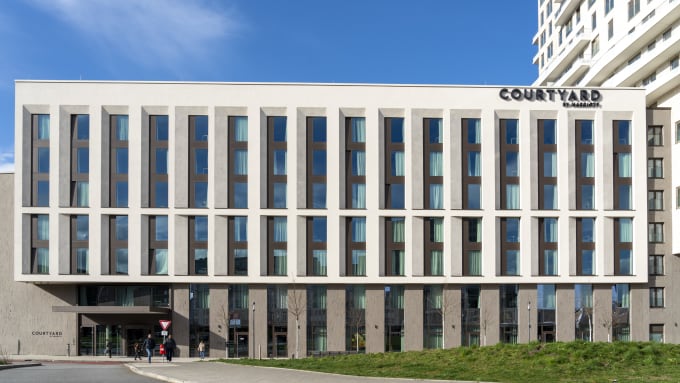
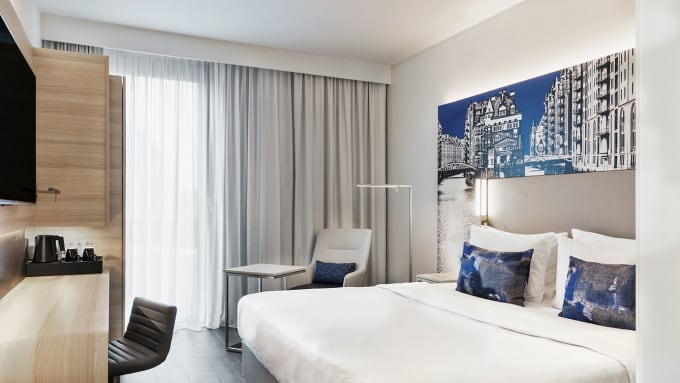
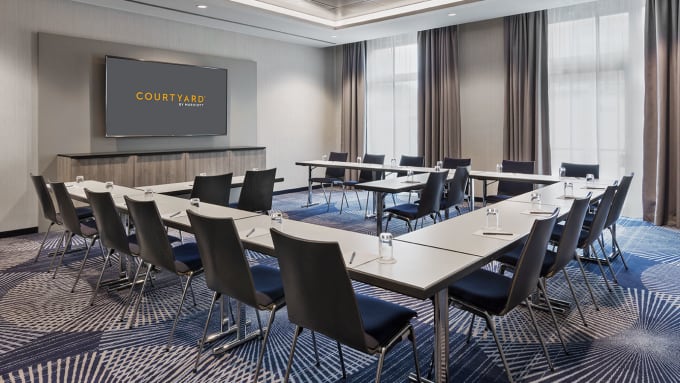
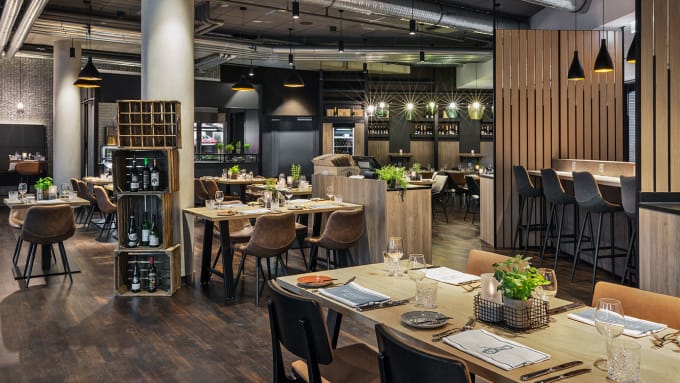
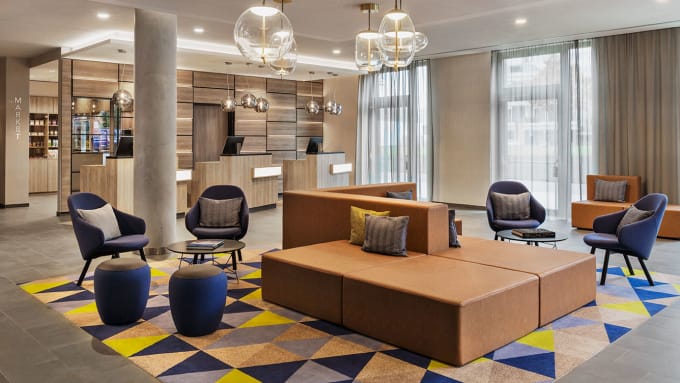


Arrival via Deutsche Bahn
Travel at reduced rates by booking via the learning environment.
Days & Times
2 days
max. 12 attendees
Tuesday, 08.09.2026
09:00 am - 5:00 pm
Wednesday, 09.09.2026
09:00 am - 4:30 pm
Fee includes
The participation fee includes
- one joint lunch per full seminar day,
- Catering during breaks and
- extensive working documents.
Transfer coaching bookable
2 hours of transfer coaching - live and online with your trainer ensures that you can put what you have learnt into practice in your day-to-day work.
If you book at the same time as your training, you save 10 % on the price of the transfer coaching of € 390,- excl.
24.09.2026
Stuttgart

Booking number:
7522
€ 1.590,- plus VAT.
€ 1,892.10 incl. VAT.
Venue





Arrival via Deutsche Bahn
Travel at reduced rates by booking via the learning environment.
Days & Times
2 days
max. 12 attendees
Thursday, 24.09.2026
09:00 am - 5:00 pm
Friday, 25.09.2026
09:00 am - 4:30 pm
Fee includes
The participation fee includes
- one joint lunch per full seminar day,
- Catering during breaks and
- extensive working documents.
Transfer coaching bookable
2 hours of transfer coaching - live and online with your trainer ensures that you can put what you have learnt into practice in your day-to-day work.
If you book at the same time as your training, you save 10 % on the price of the transfer coaching of € 390,- excl.
05.10.2026
Berlin
Booking number:
7522
€ 1.590,- plus VAT.
€ 1,892.10 incl. VAT.
Venue

Arrival via Deutsche Bahn
Travel at reduced rates by booking via the learning environment.
Days & Times
2 days
max. 12 attendees
Monday, 05.10.2026
09:00 am - 5:00 pm
Tuesday, 06.10.2026
09:00 am - 4:30 pm
Fee includes
The participation fee includes
- one joint lunch per full seminar day,
- Catering during breaks and
- extensive working documents.
Transfer coaching bookable
2 hours of transfer coaching - live and online with your trainer ensures that you can put what you have learnt into practice in your day-to-day work.
If you book at the same time as your training, you save 10 % on the price of the transfer coaching of € 390,- excl.
29.10.2026
Munich
Booking number:
7522
€ 1.590,- plus VAT.
€ 1,892.10 incl. VAT.
Venue
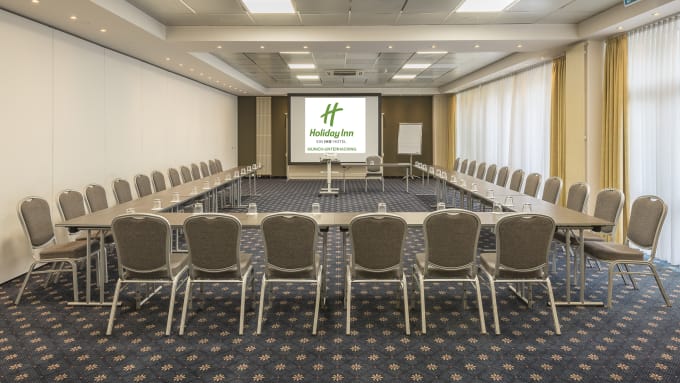

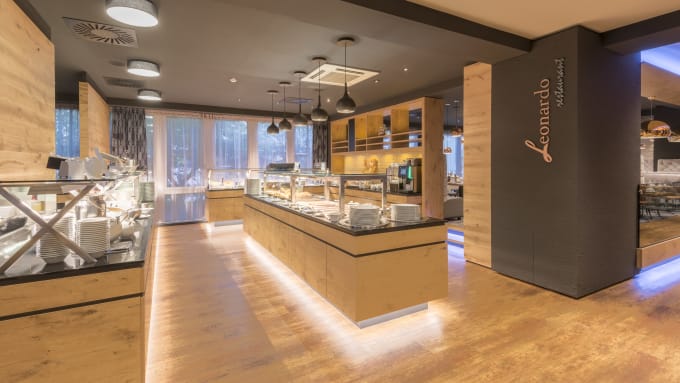


Arrival via Deutsche Bahn
Travel at reduced rates by booking via the learning environment.
Days & Times
2 days
max. 12 attendees
Thursday, 29.10.2026
09:00 am - 5:00 pm
Friday, 30.10.2026
09:00 am - 4:30 pm
Fee includes
The participation fee includes
- one joint lunch per full seminar day,
- Catering during breaks and
- extensive working documents.
Transfer coaching bookable
2 hours of transfer coaching - live and online with your trainer ensures that you can put what you have learnt into practice in your day-to-day work.
If you book at the same time as your training, you save 10 % on the price of the transfer coaching of € 390,- excl.
12.11.2026
Live-Online
Booking number:
32291
€ 1.590,- plus VAT.
€ 1,892.10 incl. VAT.
Course
zoom
Days & Times
2 days
max. 10 attendees
Thursday, 12.11.2026
09:00 am - 5:00 pm
Friday, 13.11.2026
09:00 am - 4:30 pm
Transfer coaching bookable
2 hours of transfer coaching - live and online with your trainer ensures that you can put what you have learnt into practice in your day-to-day work.
If you book at the same time as your training, you save 10 % on the price of the transfer coaching of € 390,- excl.
02.12.2026
Hamburg
Booking number:
7522
€ 1.590,- plus VAT.
€ 1,892.10 incl. VAT.
Venue
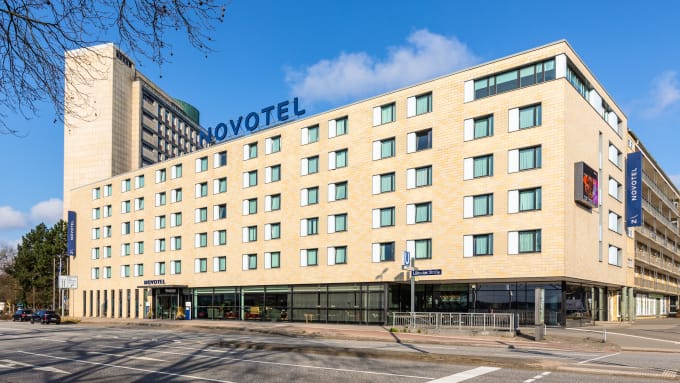
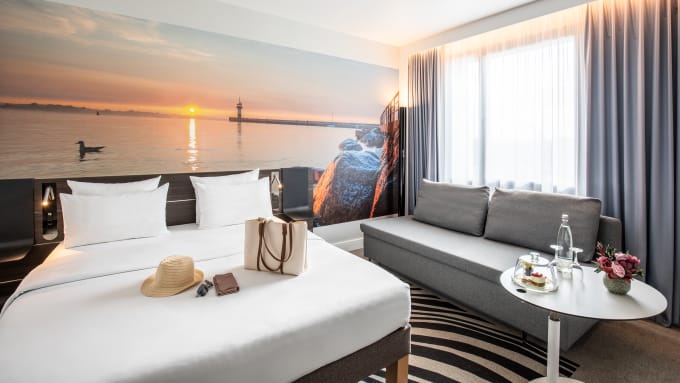


Arrival via Deutsche Bahn
Travel at reduced rates by booking via the learning environment.
Days & Times
2 days
max. 12 attendees
Wednesday, 02.12.2026
09:00 am - 5:00 pm
Thursday, 03.12.2026
09:00 am - 4:30 pm
Fee includes
The participation fee includes
- one joint lunch per full seminar day,
- Catering during breaks and
- extensive working documents.
Transfer coaching bookable
2 hours of transfer coaching - live and online with your trainer ensures that you can put what you have learnt into practice in your day-to-day work.
If you book at the same time as your training, you save 10 % on the price of the transfer coaching of € 390,- excl.
14.12.2026
Mannheim
Booking number:
7522
€ 1.590,- plus VAT.
€ 1,892.10 incl. VAT.
Venue
Arrival via Deutsche Bahn
Travel at reduced rates by booking via the learning environment.
Days & Times
2 days
max. 12 attendees
Monday, 14.12.2026
09:00 am - 5:00 pm
Tuesday, 15.12.2026
09:00 am - 4:30 pm
Fee includes
The participation fee includes
- one joint lunch per full seminar day,
- Catering during breaks and
- extensive working documents.
Transfer coaching bookable
2 hours of transfer coaching - live and online with your trainer ensures that you can put what you have learnt into practice in your day-to-day work.
If you book at the same time as your training, you save 10 % on the price of the transfer coaching of € 390,- excl.
19.01.2027
Berlin
Booking number:
7522
€ 1.590,- plus VAT.
€ 1,892.10 incl. VAT.
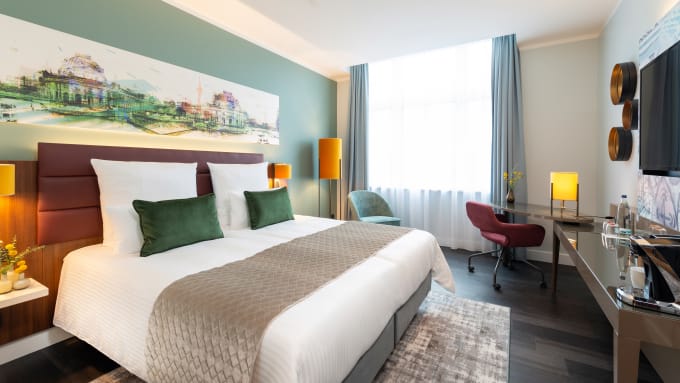
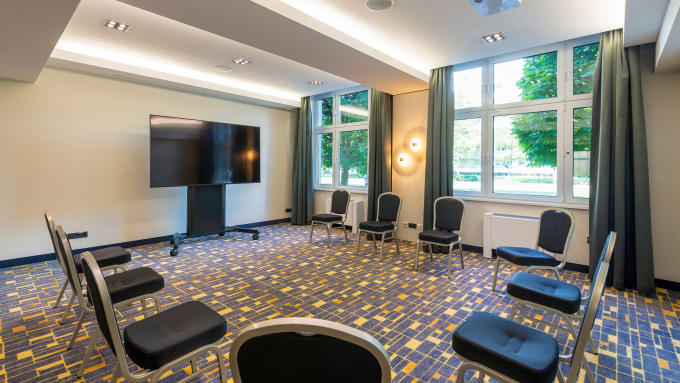
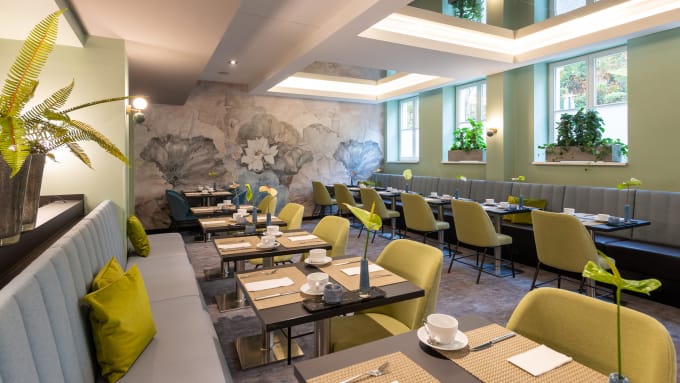
Venue



Arrival via Deutsche Bahn
Travel at reduced rates by booking via the learning environment.
Days & Times
2 days
max. 12 attendees
Tuesday, 19.01.2027
09:00 am - 5:00 pm
Wednesday, 20.01.2027
09:00 am - 4:30 pm
Fee includes
The participation fee includes
- one joint lunch per full seminar day,
- Catering during breaks and
- extensive working documents.
Transfer coaching bookable
2 hours of transfer coaching - live and online with your trainer ensures that you can put what you have learnt into practice in your day-to-day work.
If you book at the same time as your training, you save 10 % on the price of the transfer coaching of € 390,- excl.
15.02.2027
Düsseldorf
Booking number:
7522
€ 1.590,- plus VAT.
€ 1,892.10 incl. VAT.
Venue
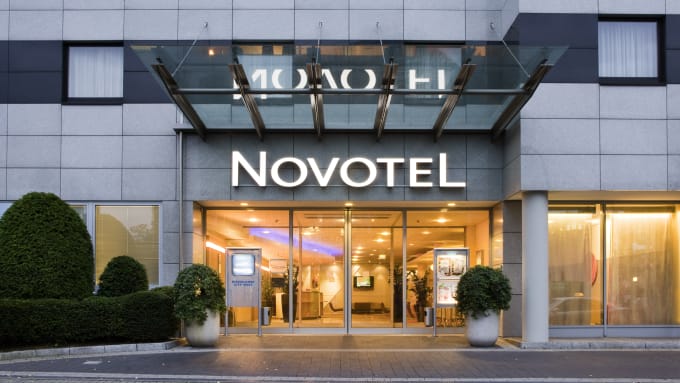
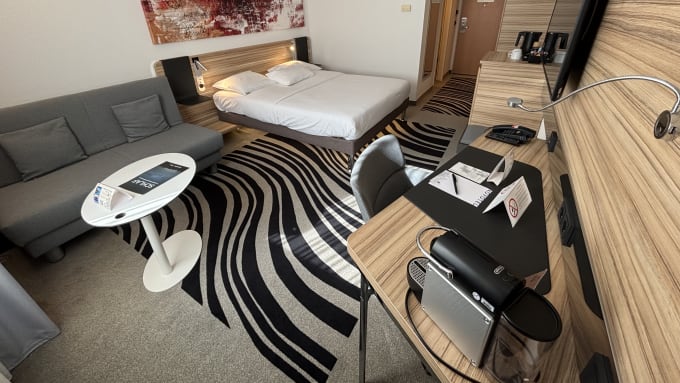
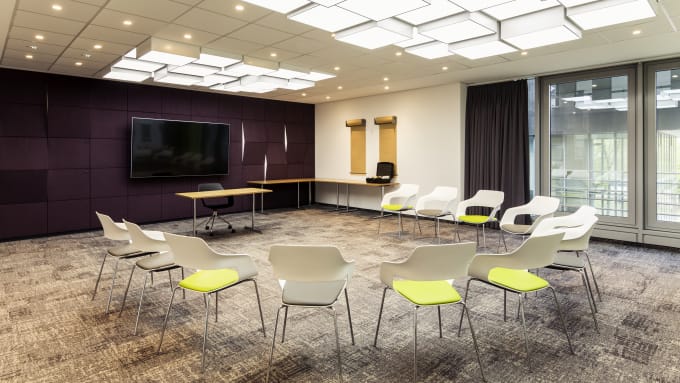
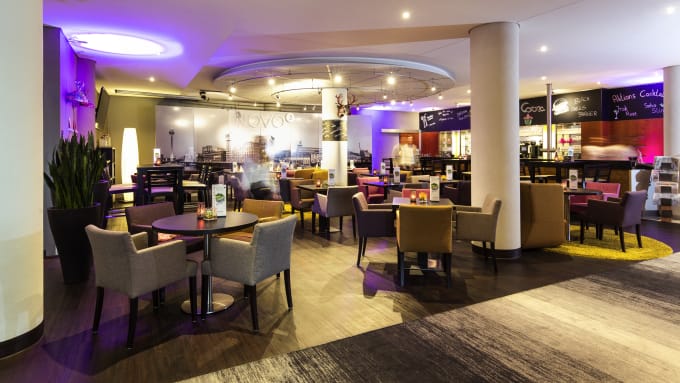


Arrival via Deutsche Bahn
Travel at reduced rates by booking via the learning environment.
Days & Times
2 days
max. 12 attendees
Monday, 15.02.2027
09:00 am - 5:00 pm
Tuesday, 16.02.2027
09:00 am - 4:30 pm
Fee includes
The participation fee includes
- one joint lunch per full seminar day,
- Catering during breaks and
- extensive working documents.
Transfer coaching bookable
2 hours of transfer coaching - live and online with your trainer ensures that you can put what you have learnt into practice in your day-to-day work.
If you book at the same time as your training, you save 10 % on the price of the transfer coaching of € 390,- excl.
02.03.2027
Live-Online
Booking number:
32291
€ 1.590,- plus VAT.
€ 1,892.10 incl. VAT.
Course
zoom
Days & Times
2 days
max. 10 attendees
Tuesday, 02.03.2027
09:00 am - 5:00 pm
Wednesday, 03.03.2027
09:00 am - 4:30 pm
Transfer coaching bookable
2 hours of transfer coaching - live and online with your trainer ensures that you can put what you have learnt into practice in your day-to-day work.
If you book at the same time as your training, you save 10 % on the price of the transfer coaching of € 390,- excl.
15.03.2027
Stuttgart
Booking number:
7522
€ 1.590,- plus VAT.
€ 1,892.10 incl. VAT.
Venue
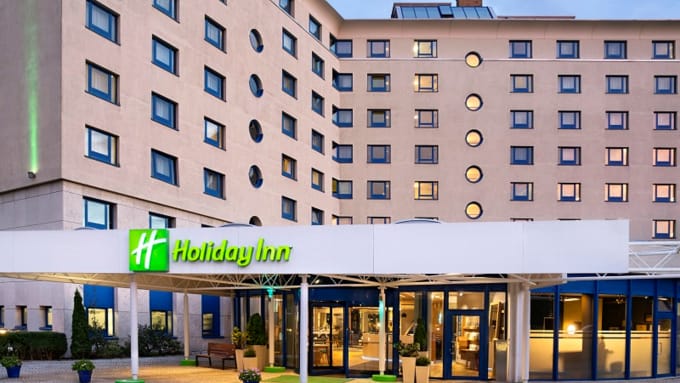
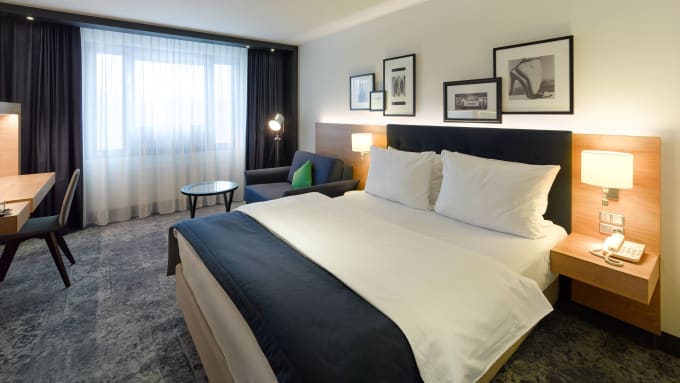
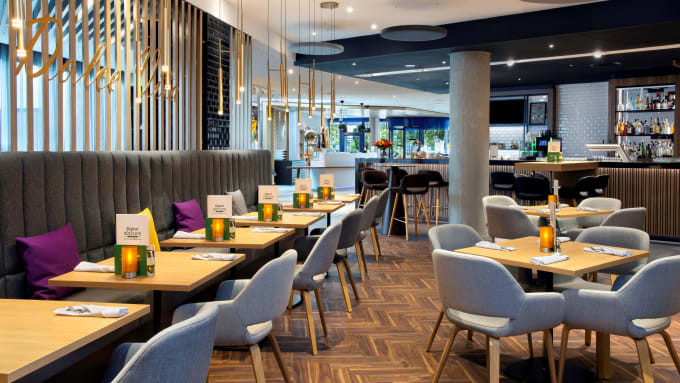
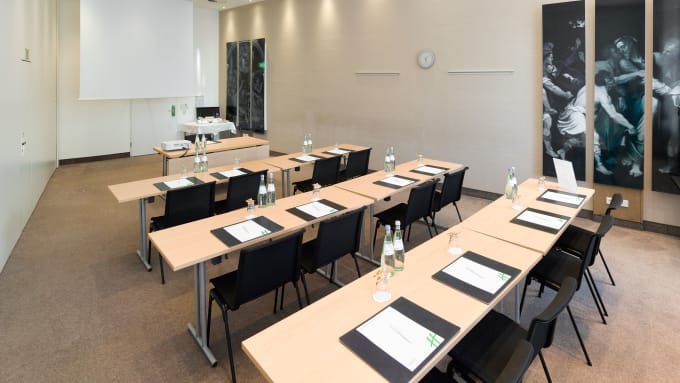
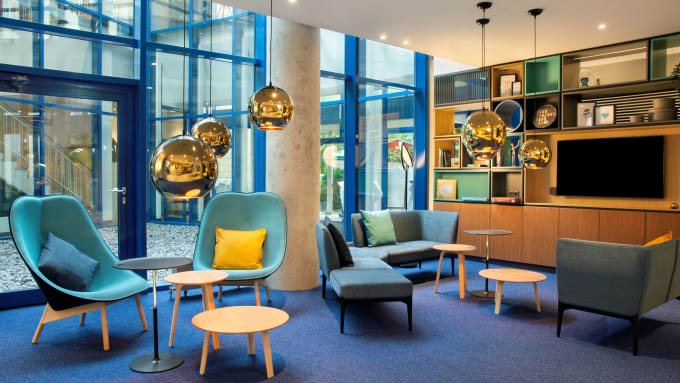


Arrival via Deutsche Bahn
Travel at reduced rates by booking via the learning environment.
Days & Times
2 days
max. 12 attendees
Monday, 15.03.2027
09:00 am - 5:00 pm
Tuesday, 16.03.2027
09:00 am - 4:30 pm
Fee includes
The participation fee includes
- one joint lunch per full seminar day,
- Catering during breaks and
- extensive working documents.
Transfer coaching bookable
2 hours of transfer coaching - live and online with your trainer ensures that you can put what you have learnt into practice in your day-to-day work.
If you book at the same time as your training, you save 10 % on the price of the transfer coaching of € 390,- excl.
15.04.2027
Frankfurt a. M./Kelsterbach
Booking number:
7522
€ 1.590,- plus VAT.
€ 1,892.10 incl. VAT.
Venue
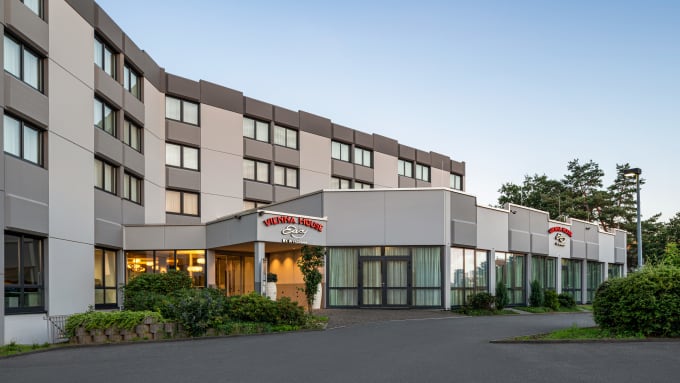
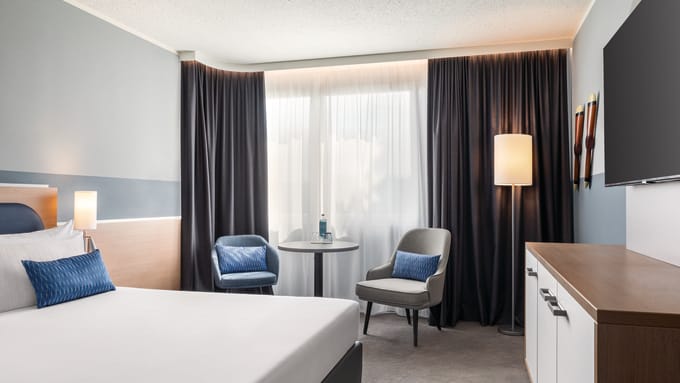
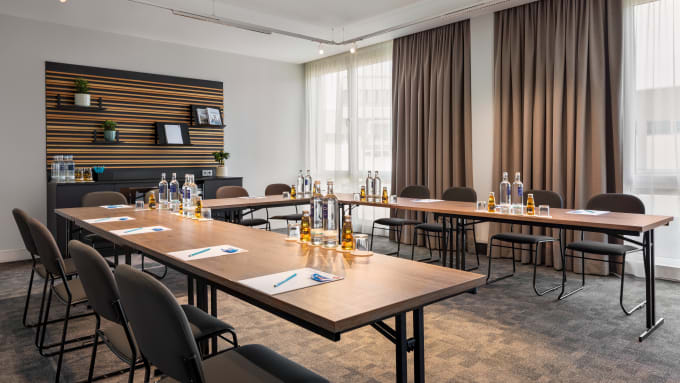
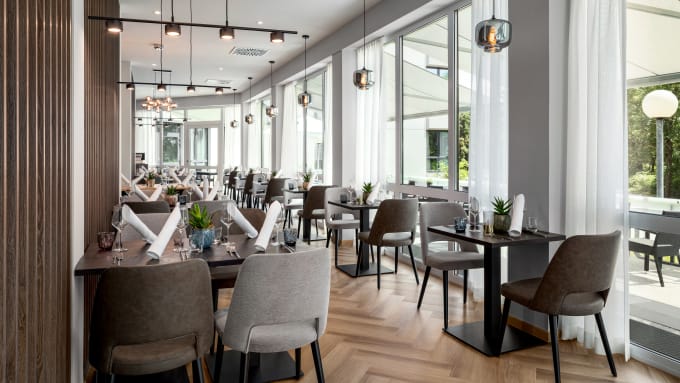



Arrival via Deutsche Bahn
Travel at reduced rates by booking via the learning environment.
Days & Times
2 days
max. 12 attendees
Thursday, April 15, 2027
09:00 am - 5:00 pm
Friday, April 16, 2027
09:00 am - 4:30 pm
Fee includes
The participation fee includes
- one joint lunch per full seminar day,
- Catering during breaks and
- extensive working documents.
Transfer coaching bookable
2 hours of transfer coaching - live and online with your trainer ensures that you can put what you have learnt into practice in your day-to-day work.
If you book at the same time as your training, you save 10 % on the price of the transfer coaching of € 390,- excl.
12.05.2027
Hamburg
Booking number:
7522
€ 1.590,- plus VAT.
€ 1,892.10 incl. VAT.
Venue
Arrival via Deutsche Bahn
Travel at reduced rates by booking via the learning environment.
Days & Times
2 days
max. 12 attendees
Wednesday, May 12, 2027
09:00 am - 5:00 pm
Thursday, May 13, 2027
09:00 am - 4:30 pm
Fee includes
The participation fee includes
- one joint lunch per full seminar day,
- Catering during breaks and
- extensive working documents.
Transfer coaching bookable
2 hours of transfer coaching - live and online with your trainer ensures that you can put what you have learnt into practice in your day-to-day work.
If you book at the same time as your training, you save 10 % on the price of the transfer coaching of € 390,- excl.
02.06.2027
Düsseldorf
Booking number:
7522
€ 1.590,- plus VAT.
€ 1,892.10 incl. VAT.
Venue
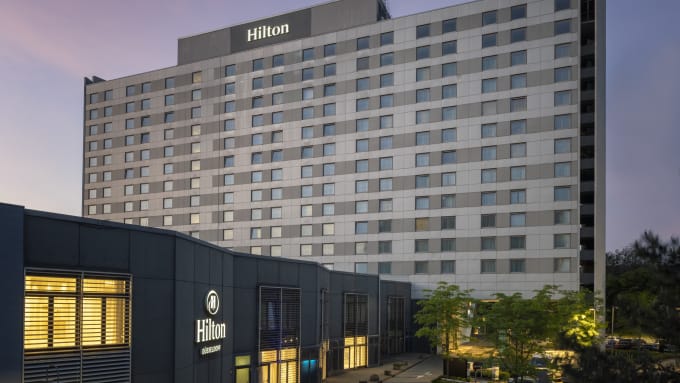
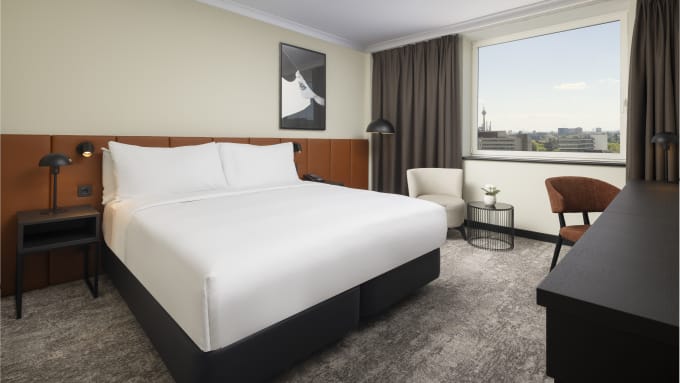


Arrival via Deutsche Bahn
Travel at reduced rates by booking via the learning environment.
Days & Times
2 days
max. 12 attendees
Wednesday, June 2, 2027
09:00 am - 5:00 pm
Thursday, June 3, 2027
09:00 am - 4:30 pm
Fee includes
The participation fee includes
- one joint lunch per full seminar day,
- Catering during breaks and
- extensive working documents.
Transfer coaching bookable
2 hours of transfer coaching - live and online with your trainer ensures that you can put what you have learnt into practice in your day-to-day work.
If you book at the same time as your training, you save 10 % on the price of the transfer coaching of € 390,- excl.
21.06.2027
Berlin
Booking number:
7522
€ 1.590,- plus VAT.
€ 1,892.10 incl. VAT.
Venue
Arrival via Deutsche Bahn
Travel at reduced rates by booking via the learning environment.
Days & Times
2 days
max. 12 attendees
Monday, June 21, 2027
09:00 am - 5:00 pm
Tuesday, June 22, 2027
09:00 am - 4:30 pm
Fee includes
The participation fee includes
- one joint lunch per full seminar day,
- Catering during breaks and
- extensive working documents.
Transfer coaching bookable
2 hours of transfer coaching - live and online with your trainer ensures that you can put what you have learnt into practice in your day-to-day work.
If you book at the same time as your training, you save 10 % on the price of the transfer coaching of € 390,- excl.
05.07.2027
Überlingen
Booking number:
7522
€ 1.590,- plus VAT.
€ 1,892.10 incl. VAT.
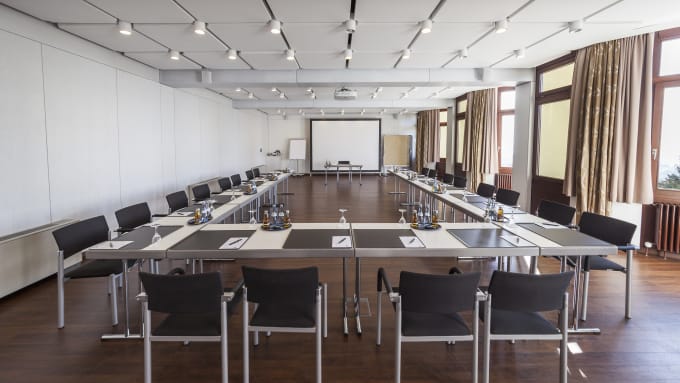
Venue





Arrival via Deutsche Bahn
Travel at reduced rates by booking via the learning environment.
Days & Times
2 days
max. 12 attendees
Monday, July 5, 2027
09:00 am - 5:00 pm
Tuesday, July 6, 2027
09:00 am - 4:30 pm
Fee includes
The participation fee includes
- one joint lunch per full seminar day,
- Catering during breaks and
- extensive working documents.
Transfer coaching bookable
2 hours of transfer coaching - live and online with your trainer ensures that you can put what you have learnt into practice in your day-to-day work.
If you book at the same time as your training, you save 10 % on the price of the transfer coaching of € 390,- excl.
19.08.2027
Hamburg
Booking number:
7522
€ 1.590,- plus VAT.
€ 1,892.10 incl. VAT.
Venue
Arrival via Deutsche Bahn
Travel at reduced rates by booking via the learning environment.
Days & Times
2 days
max. 12 attendees
Thursday, August 19, 2027
09:00 am - 5:00 pm
Friday, August 20, 2027
09:00 am - 4:30 pm
Fee includes
The participation fee includes
- one joint lunch per full seminar day,
- Catering during breaks and
- extensive working documents.
Transfer coaching bookable
2 hours of transfer coaching - live and online with your trainer ensures that you can put what you have learnt into practice in your day-to-day work.
If you book at the same time as your training, you save 10 % on the price of the transfer coaching of € 390,- excl.
09.09.2027
Mannheim
Booking number:
7522
€ 1.590,- plus VAT.
€ 1,892.10 incl. VAT.
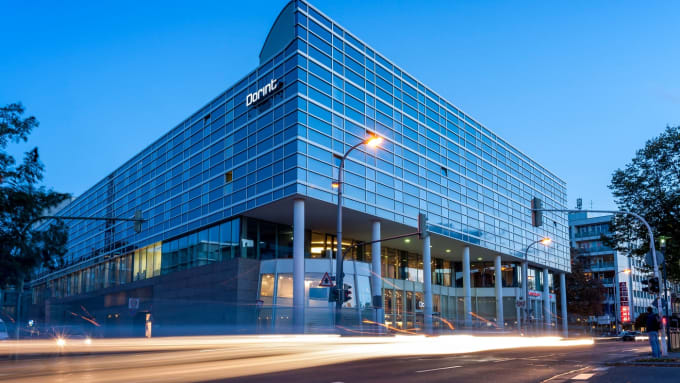
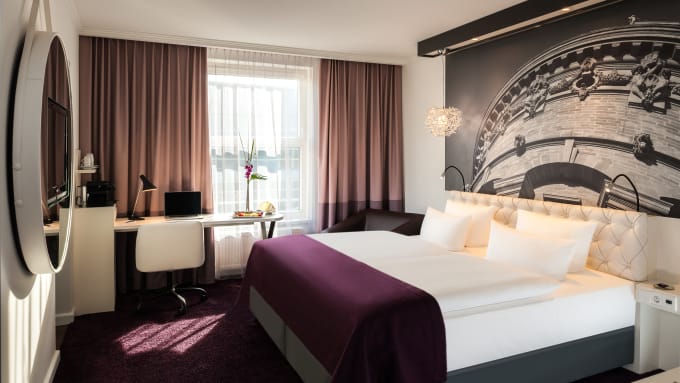
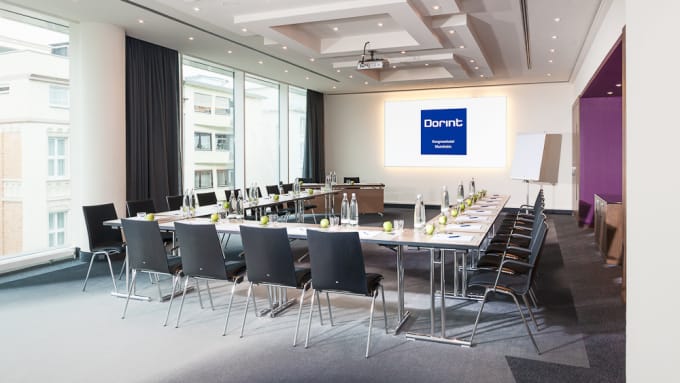
Venue
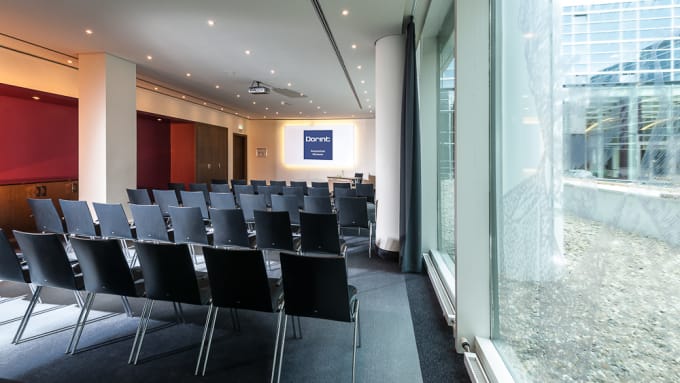
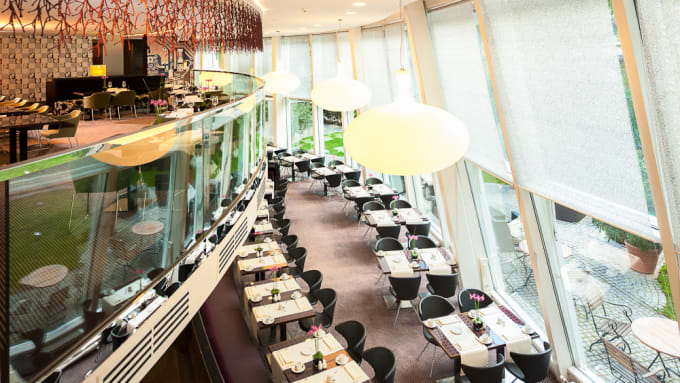


Arrival via Deutsche Bahn
Travel at reduced rates by booking via the learning environment.
Days & Times
2 days
max. 12 attendees
Thursday, September 9, 2027
09:00 am - 5:00 pm
Friday, September 10, 2027
09:00 am - 4:30 pm
Fee includes
The participation fee includes
- one joint lunch per full seminar day,
- Catering during breaks and
- extensive working documents.
Transfer coaching bookable
2 hours of transfer coaching - live and online with your trainer ensures that you can put what you have learnt into practice in your day-to-day work.
If you book at the same time as your training, you save 10 % on the price of the transfer coaching of € 390,- excl.
22.09.2027
Düsseldorf/Neuss
Booking number:
7522
€ 1.590,- plus VAT.
€ 1,892.10 incl. VAT.
Venue
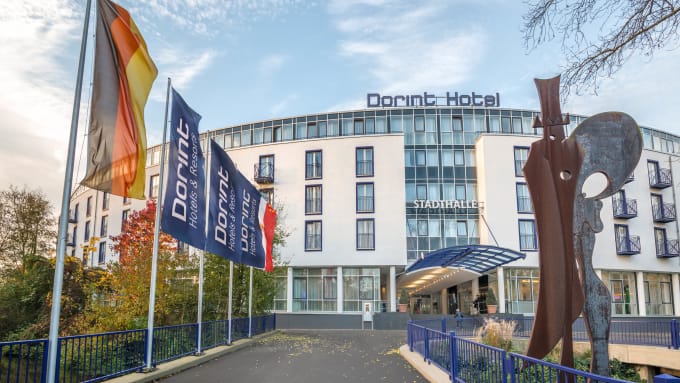
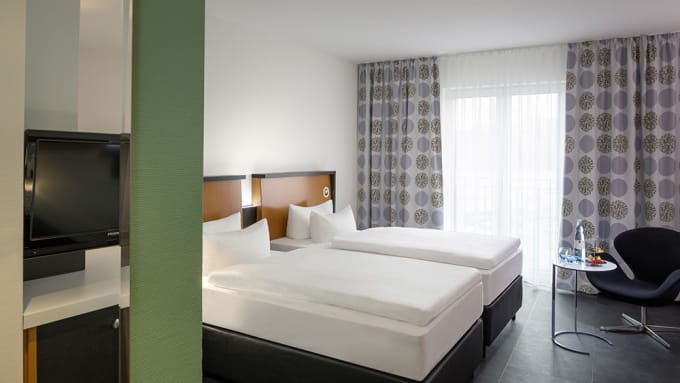
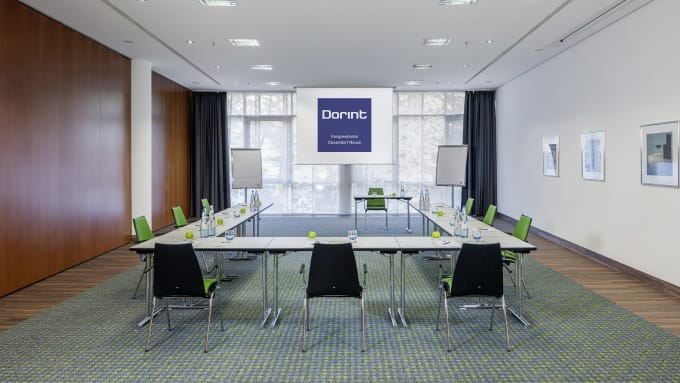
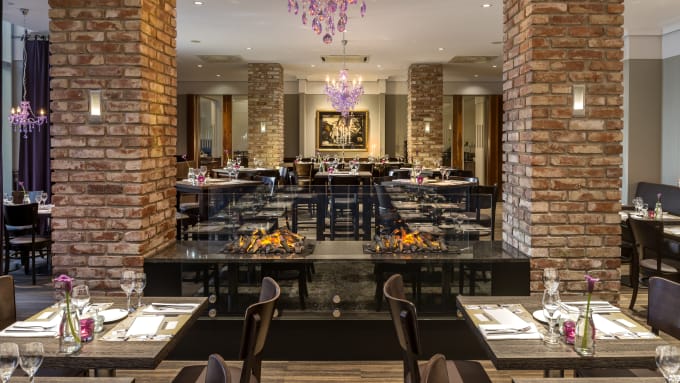
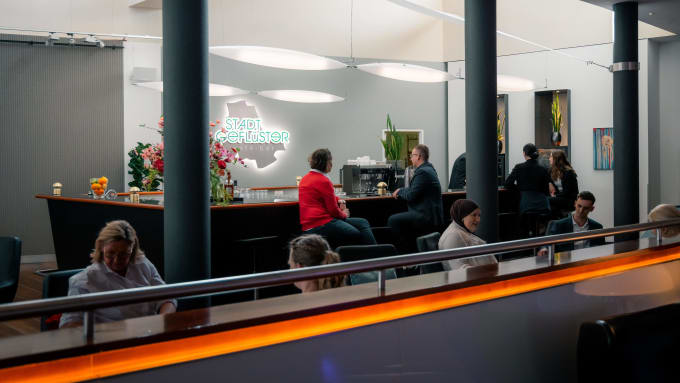


Arrival via Deutsche Bahn
Travel at reduced rates by booking via the learning environment.
Days & Times
2 days
max. 12 attendees
Wednesday, September 22, 2027
09:00 am - 5:00 pm
Thursday, September 23, 2027
09:00 am - 4:30 pm
Fee includes
The participation fee includes
- one joint lunch per full seminar day,
- Catering during breaks and
- extensive working documents.
Transfer coaching bookable
2 hours of transfer coaching - live and online with your trainer ensures that you can put what you have learnt into practice in your day-to-day work.
If you book at the same time as your training, you save 10 % on the price of the transfer coaching of € 390,- excl.
Training is guaranteed to take placeThe next booking ensures this course will take place
Booking number:
7522
€ 1.590,- plus VAT.
€ 1,892.10 incl. VAT.
Plan course
2 days
max. 12 attendees
Fee includes
The participation fee includes
- one joint lunch per full seminar day,
- Catering during breaks and
- extensive working documents.
Transfer coaching bookable
2 hours of transfer coaching - live and online with your trainer ensures that you can put what you have learnt into practice in your day-to-day work.
If you book at the same time as your training, you save 10 % on the price of the transfer coaching of € 390,- excl.
Booking number:
32291
€ 1.590,- plus VAT.
€ 1,892.10 incl. VAT.
Plan course
2 days
max. 10 attendees
Transfer coaching bookable
2 hours of transfer coaching - live and online with your trainer ensures that you can put what you have learnt into practice in your day-to-day work.
If you book at the same time as your training, you save 10 % on the price of the transfer coaching of € 390,- excl.
No suitable date?
You are welcome to be notified by e-mail as soon as new dates are released.
You might also be interested in:
Loading recommendations
Please note: We use third-party tools for selected events. Personal data of the participant will be passed on to them for the implementation of the training offer. You can find more information in our privacy policy.
About us - The Haufe Akademie
Your optimizer, innovator and companion since 1978 -
Your professional partner for professional development and seminars, training courses and topical conferences.
Whether on site, live online or in-house - our customised solutions, our claim to the highest level of consulting expertise and training tailored to your needs simplify the acquisition of skills for the working world of the future and sustainably facilitate professional development.
A wide range of seminars, individual coaching and our flexible formats support HR managers and decision-makers in shaping the future and developing employees, in-house teams and companies.
Experience the benefits of online training from the comfort of your own home. Our online formats meet the highest quality standards and are in no way inferior to face-to-face events in terms of practical relevance. Learn together live online in interactive groups or digitally at a time of your choice.
3,500+ further training
620,000+ apprentices per year
Over 95% positive reviews
2,600+ trainers and coaches
18,000+ training courses held per year
Call us or send an email
Do you have any questions?
We are there for you Monday to Friday 8:00 a.m. - 5:00 p.m.

*Mandatory fields
FAQs
Questions & Answers
In our Questions & Answers (FAQ) section, you will find all the answers and the most frequently asked questions about your selected topic.

Haufe Akademie GmbH & Co. KG
Munzinger Str. 9
79111 Freiburg
Munzinger Str. 9
79111 Freiburg
A brand of

The company
About our offer
- Planning security
- Free seminar places
- Quality standards
- Planning and locations
- Funding opportunities
- Training app
- Business Solutions
Special offers
Contact & Support


